Courses
310 courses since 2014
What we cover at CILAS matters less than what a student discovers.
310 courses
- 141
Ab/Uses of the Erotic
How has the erotic been deployed as a colonial and racializing technology? How might the erotic scramble, however fleetingly and flimsily, the coherence of racialized and colonial relations? Lingering with this dialectic of ab/use, we consider how the erotic has been aesthetic…
View course - 142
- 143
Ethnography and the Politics of Storytelling
Why do we write ethnography? And for whom? What are the forces that we address while writing? In this course, we will read ethnographic accounts that cover various issues in Egypt in specific and the Middle East in general. In doing so, we will grapple with two schools of thou…
View course - 144
Oral History Lab: Alexandria’s Quarters
Oral history is a unique research method that relies on recording individuals' experiences and their points of view in life. It is a tool to record history and experiences through "oral" conversations. It relies on encounters to transcribe stories and oral narration from indiv…
View course - 145
Science in the Middle East: A Socio-historical Perspective
Never has a vaccine ever been developed as fast as the COVID-19 vaccines have recently been. Ironically, only what can match this unprecedented scientific breakthrough is the unprecedented hesitancy and rejection that the vaccines were met with in different countries, most not…
View course - 146
حياة واحدة لا تكفي: حول النوم والأحلام وزرع الأفكار
هذا مساق عن حقيقة نوم الإنسان، وكيف يحدث ذلك؟ وكيف نحلم؟ متتبعا الأحلام وتأثيرها في التاريخ، والجهود العلمية لفهم الأحلام وتفسيرها، وهل يمكننا أن نتحكم في أفكار العقل الباطن وإعادة توجيهها أو زرع أفكار جديدة، معتمدا على عدة مراجع متنوعة من الدراسات والكتب وأفلام السينما والإبد…
View course - 147
Sacred Landscapes, Violence, and Resistance – Examples from Kurdistan
Systems of symbols have widely been used to mark landscapes and lay claim on them. Such land-claims can be turned into an effective tool for governance by nation states or be used by political groups pursuing other aims. The course will inquire how religiously derived land cla…
View course - 148
View My Desire: Psychoanalysis and Film
This course will examine psychoanalysis from two perspectives: first, as a theory of subjectivity, and second, as a method of reading text. We will begin with an introduction to Lacanian psychoanalytic concepts in order to establish a mutual understanding of the Lacanian split…
View course - 149
Healing, Rituals, and Spirituality – An introduction to the Anthropology of Religion
Anthropology is the study of people, cultures, and the human condition. This course introduces the concepts of religion and spirituality with an anthropological, social, and cultural lens that focuses on rituals and healing. Our question does not focus on the synopsis of diffe…
View course - 150
the media lab
The media lab this fall uncovers the networks through which cultural objects such as posters, magazines, books, films, commercials, and songs circulate in the contemporary urban fabric of Cairo. To narrow down the scope, the lab will focus on the circulation of objects that fo…
View course - 151
the space lab
In this lab we will engage debates in contemporary neoliberal urbanism with a particular focus on the global south. It questions the colonially-mediated modern conceptual frameworks that undergird the urban studies field. It suggests to rethink the intimate connection between…
View course - 152
the pedagogy lab
What is ‘radical education’? In this fall’s pedagogy lab, we will explore different associations we may have with the term "radical" and will consider the historical, social and conceptual dimensions of the term. We will focus particularly on the negative and positive connotat…
View course - 153
Soy pan, soy paz, soy más - انا خبز، انا سلام، انا ما بعد
“I had to come all the way to Mexico to rediscover Palestine,” writes literary scholar Amal Eqeiq about her visit to the Mayan village of Chamula. The visible and invisible borders that separated ethnic populations, and the uneven infrastructure and resources on each side, cre…
View course - 154
- 155
- 156
Human Flow: Migration and Refugee Encampment (at CILAS)
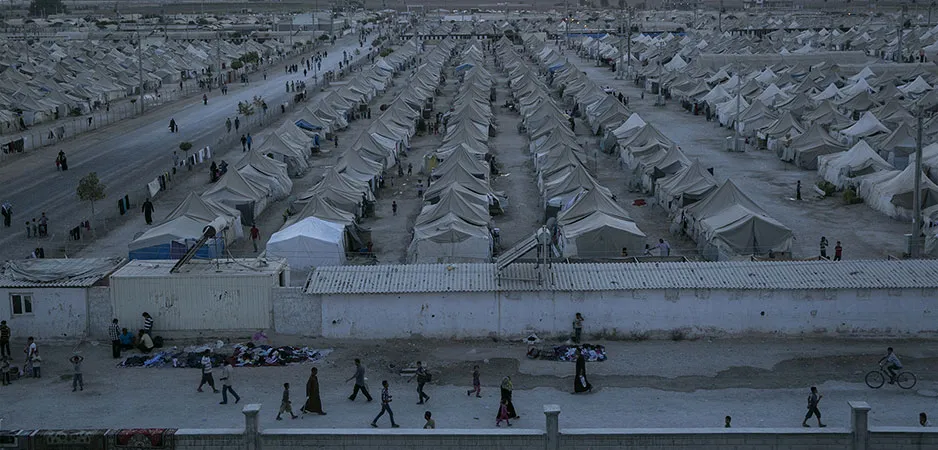
Migrations do not just happen - they are produced. Capitalist modernity requires massive displacement that seamlessly supports the free flow of labor in the context of globalization. Mobile subjects are being categorized, sorted and governed in and through the international le…
View course - 157
Anthropology of the Future (online)
Why should we – in the present – study and engage with the future? And if we do study it, how should we go about it? These are the foundational questions of this course. Broadly, anthropologists study the future in three main modes: future as temporalities, future as possibili…
View course - 158
- 159
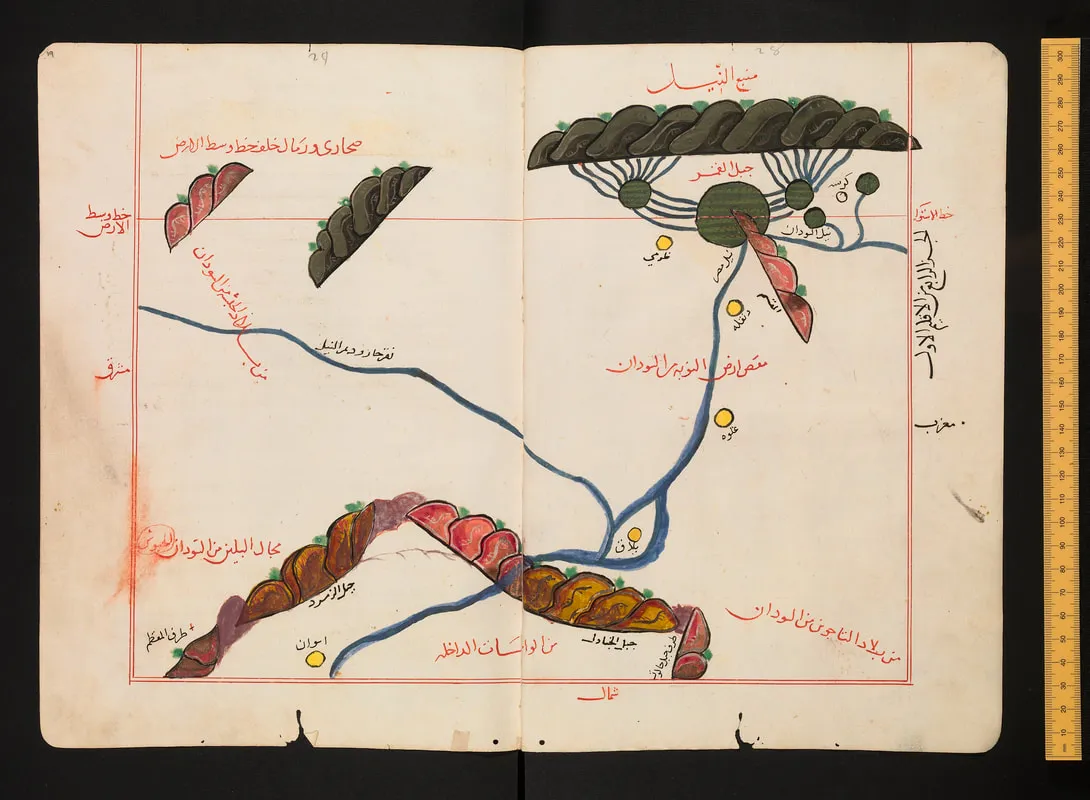
Singing the Nile
Tracing renderings of the Nile from epistemological reference to lyrical geography
View course - 160
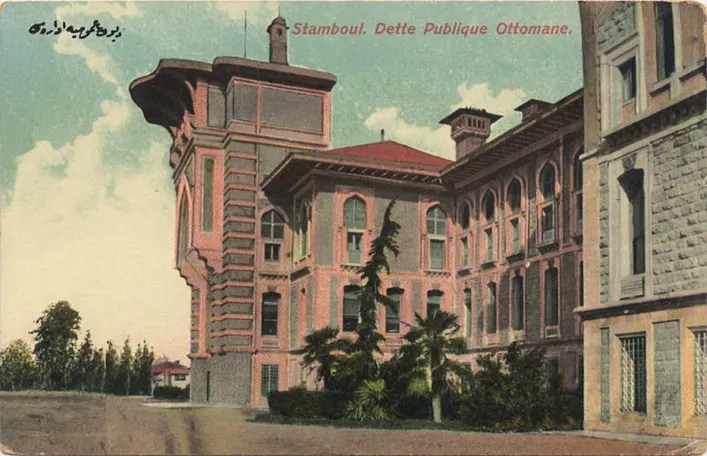
Debt: A Transdisciplinary Exploration
Debt has acquired such a centrality in our lives that some argue that homoeconomicus, the ‘economic man’ of liberal theory, has been displaced by a wholly new figure: the ‘indebted man.’ Is our indebtedness a new phenomenon, a function of increasingly global regimes of neolibe…
View course