Courses
310 courses since 2014
What we cover at CILAS matters less than what a student discovers.
310 courses
- 161
Meaningful Conversation with (a) Quran
'Read in the Name of Your Lord' is stated to be the first revealed quranic verse. The question is how do I read in the name of my Lord? This class is an exploration in reading Quranic verses. We will be using the methodology proposed in the collection Risale-i-Nur (the Epistle…
View course - 162
Politics and Technics: Infrastructure, Colonialism, Warfare
Is infrastructure political? Can infrastructure colonise, dispossess, and act as an instrument of warfare? We tend to think of infrastructure as useful objects, but can we think of them as built ideologies? Historically, infrastructural projects have been regarded as necessary…
View course - 163
Unhomely Times: On Fear and Dwelling in Modern Life
Whenever we are confronted with an event that can change the course of our lives, fear and trembling befall us. Two paths usually present themselves in such moments: either to run away from the event, or to address it. Philosophy is the latter – it is addressing those events w…
View course - 164
Thoughts on food/Food for thoughts
This course looks at food in perspective. We will explore various themes related to food, including the global history of foods and food heritage, food documentation and the roles foods play in rituals. The politics and the future of food will be critically examined with the h…
View course - 165
Religion and politics: What sort of justice after secularisation?
Secularisation, which has gradually identified itself with the project of "European modernity", can be defined as a process which emancipates societies from the constraints that religious institutions exert on them. The secularisation of modern societies, which is related to a…
View course - 166
Keys to Reading Ibn ‘Arabī
This course introduces students to Ibn ‘Arabī, the Andalusian Muslim mystic of the 12th/13th century (1165-1240), who is considered the Grand Sheikh of the living Sufi tradition, and author of the possibly, largest Muslim Esoteric Encyclopaedia al-Futūḥat al-Makkīya (The Mecca…
View course - 167
“I curse my own child but I hate whoever says Amen”
A History of the Family in the Modern Middle East
View course - 168
Good Feminist, Bad Feminist, Happy Feminist
In Good Feminist, Bad Feminist, Happy Feminist, Mariam Diefallah explores the possibility of finding joy in feminist activism. Throughout this twelve-week journey, the course will explore various themes, such as anger, profanity, intimacy, and witchcraft, assembling a toolbox…
View course - 169
Broken Harmonies: Music and Philosophy in the 20th Century
How does music and philosophy relate to each other? And what does this relation might mean for us in everyday life? Even if it means something, isn’t reading music through philosophy like philosophizing about art and that’s it? What if we tried to read philosophy through music…
View course - 170
An Introduction to Popular Egyptian Cinema: Youth!
Looking at popular Egyptian cinema from the post-1952 period until the turn of the millennium, this course aims to situate a selected number of films socio-historically and aesthetically. Participants will gain fluency in the film’s unique language, both from a historical and…
View course - 171
An Introduction to New Materialisms: Bodies, Objects, and Movement
Modernity designed the hu-Man as a mastermind over the material world. But what if we think of ourselves as becoming animal, bacteria, a virus, insect, a cyborg, art, or a figure of the impossible? How can the human itself become a leakage rather than a category?
View course - 172
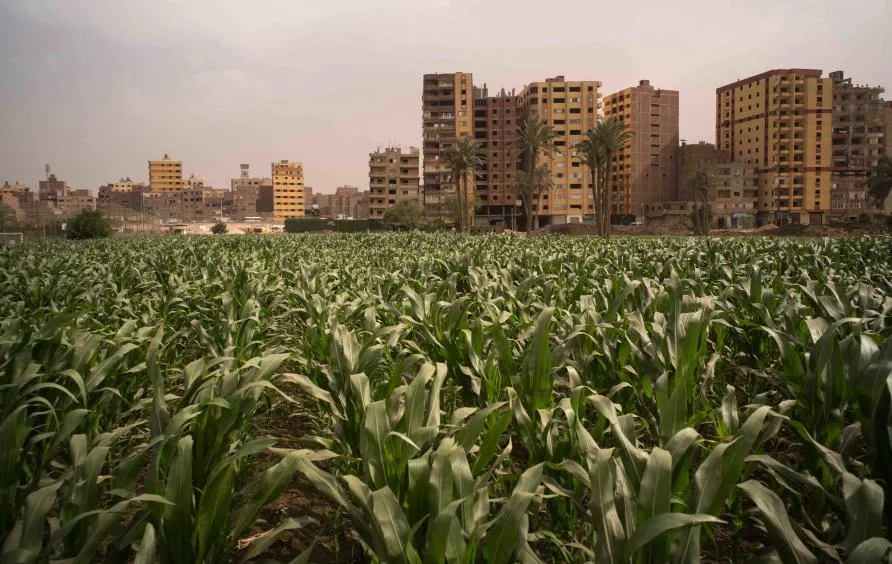
Africa urbanising
This course engages debates in contemporary neoliberal urbanism with a particular focus on African cities. It questions the colonially-mediated modern conceptual frameworks that undergird the field of urban studies. It suggests to rethink the intimate connection between the de…
View course - 173
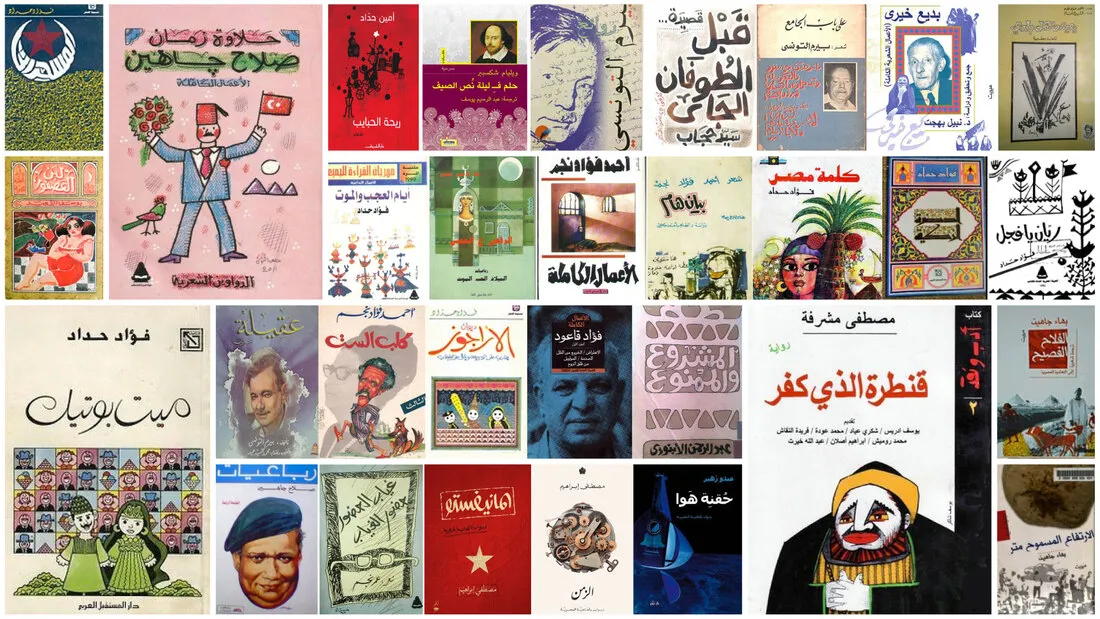
"ألفين سنة ويفضل كلامي جميل": تاريخ شعر العامية المصرية في القرن العشرين وحتى اليوم
تُؤْثَر عن أمير الشعراء أحمد شوقي عبارة تقول «أخشى على العربية من بيرم». ورغم أن بيرم التونسي لم يكن شاعر العامية الوحيد في مصر، إلا أنه ترك بصمة في الشعر المصري أثرت بعمق في المجتمع المصري حينذاك وفي ولادة أجيال جديدة من شعراء العامية المصرية، حتى قال اﻷديب يحيى حقي عن رباعيا…
View course - 174
Translation Lab
translation is a fundamental human activity that occurs between languages, cultures, and forms of expression. Without translation, even the most erudite readers would have limited acquaintance with other cultures. CILAS translation lab invites anyone interested in exploring th…
View course - 175
Space Lab
The refurbished space lab is dedicated to thinking about, with, through and from space; not necessarily outer-space, the universe or SpaceX’s planned Mars “conquests” even though all of them related to the lab's work. Our focus will be critical spatial inquiry. The idea is tha…
View course - 176
Pedagogy Lab
Education (in the liberal arts) should be an “uncoercive re-arrangement of desires” oriented towards an “ethical relationship towards the Other – before will” (Spivak). In the spring, the pedagogy lab returns to appreciate those qualities of education that are bemoaned by cur…
View course - 177
Media Lab
Because the term ‘media’ has varying meanings and practices, CILAS Media Lab asks: how might we examine and shape our media practices in the world today to produce knowledge? With this question in mind, we are building a media lab in do-it-yourself (DIY) fashion based on the i…
View course - 178
For Lack Of A Better Word? Interrogating the Literal
It’s often argued (in the university, politics, public life, and elsewhere) that clarity and precision in language are necessary for effective communication. Recent trends in linguistics, however, suggest that metaphor is a natural outgrowth of the way human cognition is organ…
View course - 179
On Time and Temporality
The global pandemic has occasioned an impulse to think how we experience time as well as the acute structural violence deployed by the state and the capital. If to “change the world” is first of all to “change time” (Giorgio Agamben), this seminar invites participants to inves…
View course - 180
Discovering Biomimicry
Nature is our best mentor and model for a more sustainable future. Biomimicry is the study of nature-inspired design, but it’s not just about looking at the shape of a flower, it is a methodology to attain sustainable designs in all sectors, engineering, business, medicine and…
View course