Bridge Programme 2025–2026
Programme details
- Commitment
- 15 hours a week
- Classes
- Saturday, Tuesday and Thursday, from 10:30 am or from 5:30 pm, for three hours (winter semester).
- Fees
- EGP 30,000Three installments: 3 × EGP 10,000In the third week of December, the first week of February and the third week of April.Need-based reductions available
About CILAS and the bridge programme
Conceived in 2013 as an alternative offering in higher education, CILAS welcomes high school graduates as well as university walkouts, students and graduates; wisdom seekers and portfolio crafters; trained engineers, economists and doctors; activists, artists and organisers; Egyptians from different provinces, new and old arrivals; or other than all of that, to name but a few of the walks of life that have come to CILAS to engage the complexity of the world we live in.
Think of CILAS as an autonomous scholarly collective rather than a corporate academic institution or a modern/colonial university. It does not issue credit points or an accredited degree. As a member of the learning community you will be supported and challenged in your inquiries. The ‘bridge’ program encourages the collaborative crafting of an intellectual, corporeal, and aesthetic portfolio. You will receive and offer guidance from and to the community as you cross the ‘bridge’ with all its discomforts, moments of joy and frustration, its paradoxes and invitations to reflect, share and grow. Alongside you will also be accompanied and mentored by a residential fellow on your learning journey.
Please don’t feel discouraged to apply if your English is not ‘proficient’. We welcome all ‘English-es’ and embrace bi-linguality in our discussions. However, we ask you to fill in the form in English as many of the assigned readings at CILAS are in English.
The programme and its courses
The one-year ‘bridge’ program is divided into two semesters - a winter semester and a spring semester that are each divided into two terms. The first semester engages in intellectual and experiential inquiry whereas in the second semester seeks to apply the learning and is oriented towards production, i.e. the crafting of a portfolio through the labs in addition to the thematic courses.
During the Winter semester all students complete a trans-disciplinary core curriculum consisting of three complementary core courses. The core curriculum introduces students to key concepts, ongoing debates and modes of inquiry in the Humanities and Social Sciences. The core courses focus on developing Historical Consciousness drawing on global, environmental and art histories. In the second core course students practice Philosophical Inquiry. They learn to appreciate arguments, paradoxes and deep reflection. The third course teaches Ethnographic Study with an emphasis on a critical understanding of knowledge production, self-reflexivity, positionality and orality.
- Historical Consciousness, facilitated by Yamen Nouh
- Ethnographic Study, facilitated by Bahi Ashraf
- Philosophical Inquiry, facilitated by Hisham Fahmy
These three core courses are open to programme students only.
In the spring semester students join a lab and two thematic courses that are on offer. Thematic courses respond to students’ concerns and interests. Thematic courses build on the core curriculum in that they contextualise and probe issues that emerged from the core curriculum. In parallel to thematic coursework students join a ‘lab’ to experiment with tactics and strategies of research writing; the translation of texts; the creation of spaces and audio-visual content; and the engagement with different modes of learning.
Opposed to a pedagogy of consumption, CILAS operates under a pedagogy of attunement and respectful discovery. This is to say that what we cover at CILAS matters less than what we discover together. Discussion Based Learning is the main teaching/learning methodology at CILAS and relies heavily on the participation and solidarity of everyone. Students are expected to attend at least 80% of classes (nine out of twelve classes per semester).
At the end of the spring semester students present their findings and insights to the public on A Day at CILAS.
Dates and schedule
The year starts with a pre-orientation/mezzat of readings, recordings and viewings followed by a ‘three-day orientation’ in the beginning of the third week of December and ends on 3rd of April. The rest of April is dedicated to self-directed study in conversation with the residential fellow.
The classes schedule is three set days per week (Saturday, Tuesday, and Thursday; from 10:30 am for three hours in the morning period or from 5:30 pm for three hours in the evening period), in the winter (first) semester for all students based on their chosen period. And in the spring (second) semester it changes according to each student’s chosen courses and labs. To warm up for the second semester, a retreat is organized for students and teaching fellows outside of Cairo for 2-3 days.
Fees and partial scholarships
We are keen on offering a financially independent liberal arts program. To effectively give voice to members of the community, we aim to grow as self-sufficient as possible. Localising our sources of income has made it possible for us to continue autonomously, and it is only reliant on the contributions of the students. We uphold self-reliance to sustain our programs therefore we expect students to respect their financial commitment and fulfill their due payments in time knowing that this has critical effects on how CILAS operates. The full year tuition is 30,000 EGP with an option to be paid in three installments in the third week of December, the first week of February, and the third week of April. CILAS recognizes the importance of a sliding scale that is sensitive to people’s financial needs and abilities so there is a possibility of offering partial scholarships for a limited number of students, you can apply by sending an email [email protected] after filling the application form.
Courses
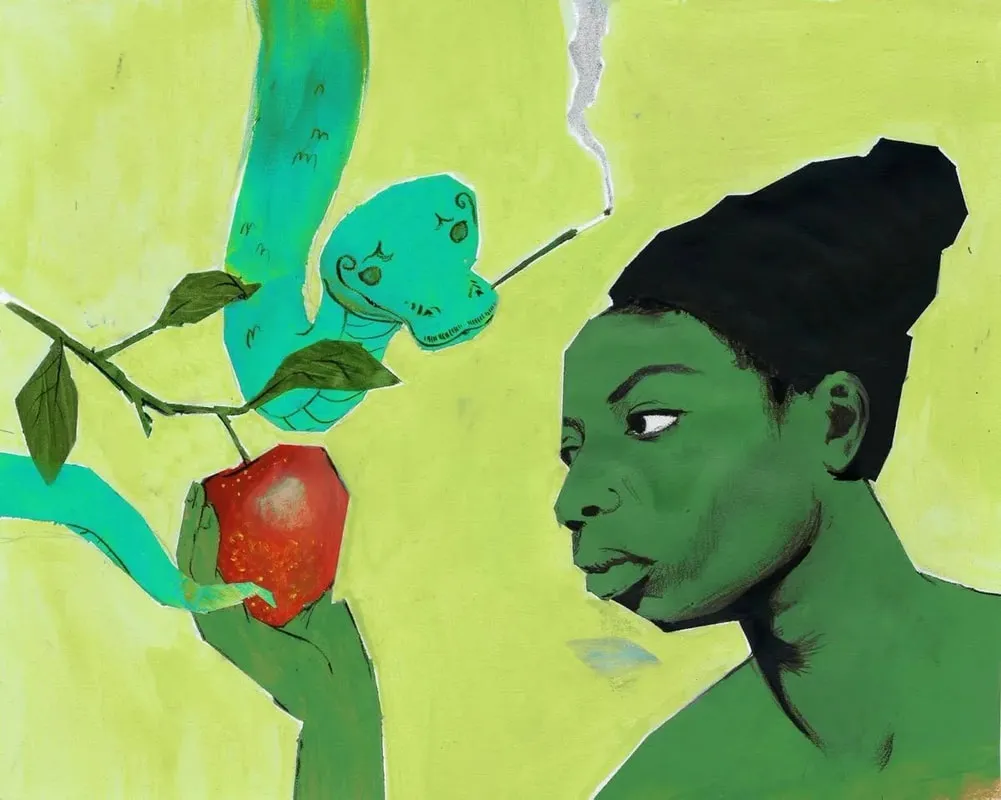
Creative Research Writing: Between Fact, Fiction, and Personal Truths
My arrival at creative research writing is informed by two observations: 1. There is an assumed distinction between academic research and writing practices and personal, creative ones. 2. Academic research and writing…
معمل الترجمة
What Is This Community?
This course invites students to explore the diversity of communities in Egypt through a case-based, exploratory approach grounded in ethnographic readings and visual materials. Rather than treating “community” as a fixe…
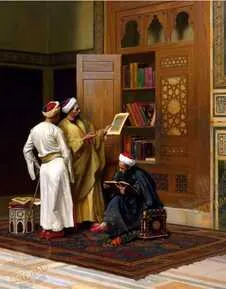
مقدمة في التاريخ الاجتماعي للتراث الإسلامي

Global Esotericism: Spirits, Cults, and a History of Magic
What if magic never really disappeared? What if our modern world, with all its science, technology, and rationality, is still haunted by the occult, the mystical, and the unseen? In this experimental history seminar, we…
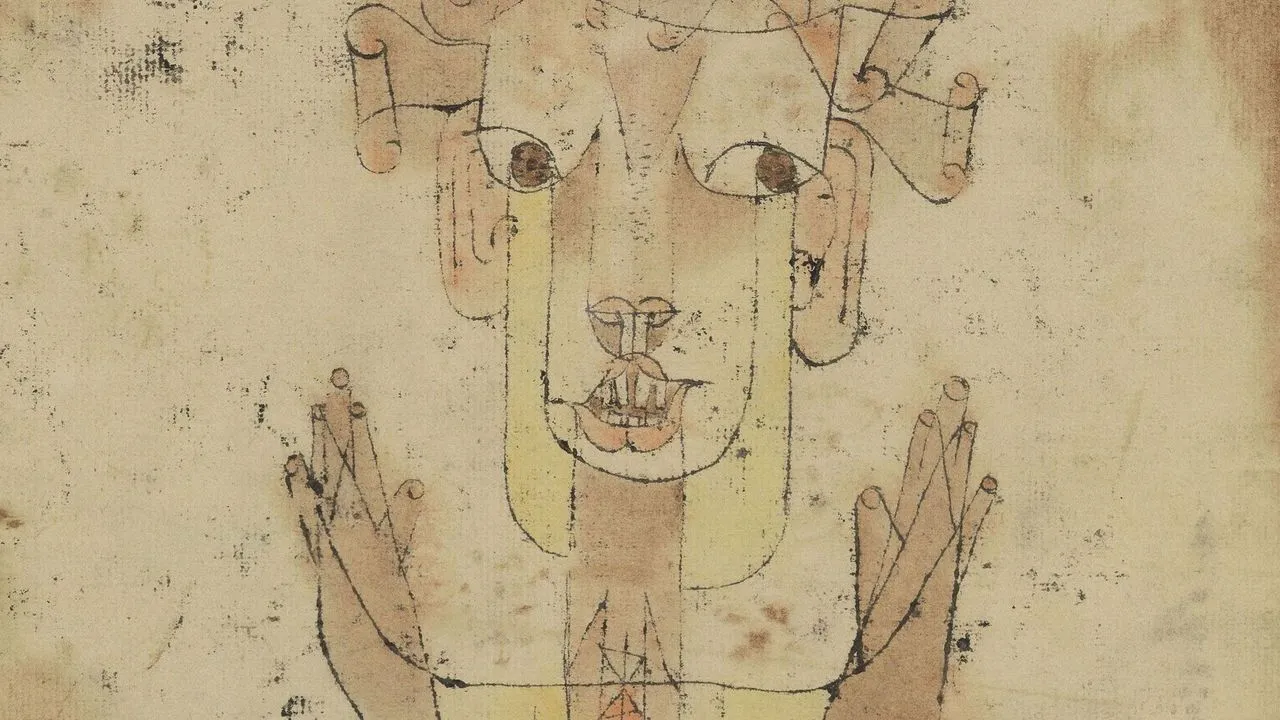
History and/in Anthropology?
Why history and why anthropology? What could the historian be if not a scribe of the worlds that humans live in, and what is the anthropologist if not an archivist of social forms of life? This course asks these questio…
Who can apply
High school completed. A Bachelor’s degree is recommended but not required.