Spring 2021, CairoThematic Course
Singing the Nile
Tracing renderings of the Nile from epistemological reference to lyrical geography
Course details
- Cycle
- Spring 2021, Cairo
- Starts
- Friday, Apr 30
- Meets
- Friday, 15:00–17:00
- Taught in
- English
Share
Discuss it with AI
- Choose your preferred AI assistant.
- A new tab will open with a prompt prepared for this page.
- Press Send to begin exploring the page through dialogue, CILAS-style.
About the course
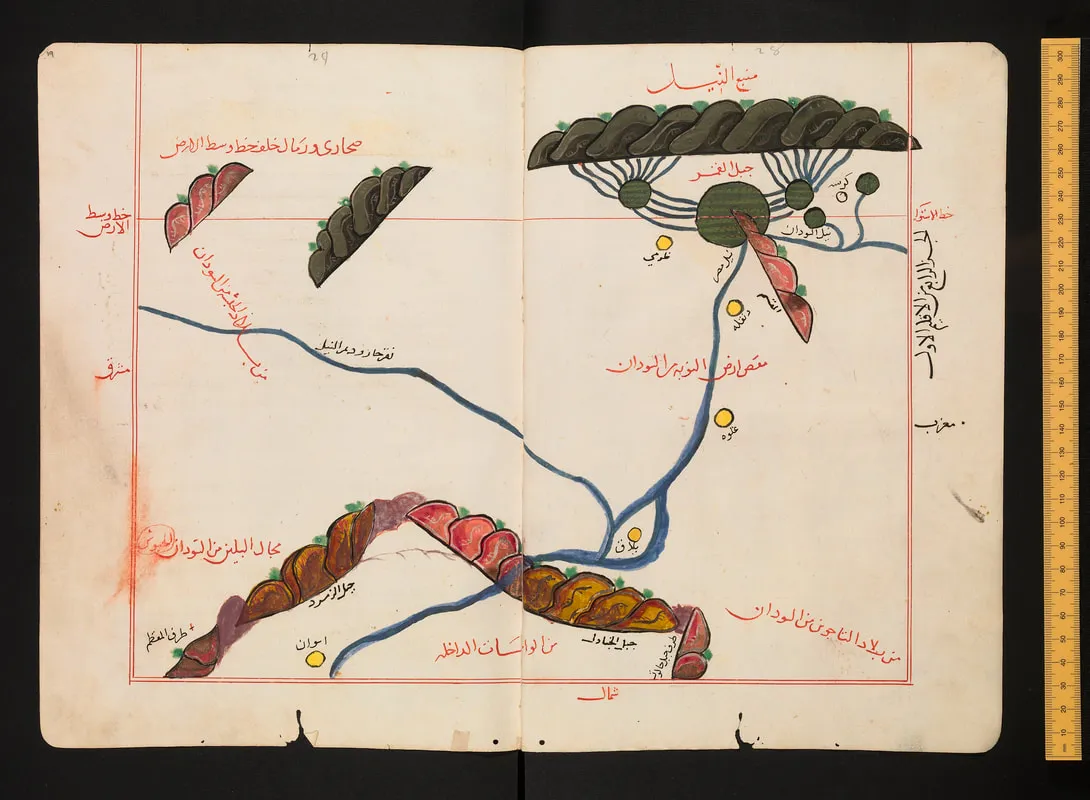
The course explores the different ways the Nile has been told through ancient text, songs, poetry, memoirs, films and political archive, particularly in Egypt, and in conversation with other contexts. We will chart the changing relationship with the river in a historical chronology from blessing to danger, from myth to high modernist subject and from future to historical flow. What has the Nile represented for its communities as a source of knowledge? What kind of fluid popular historiography has its flow inspired? From ancient Egyptians to Nubian communities, peasants, hydroelectric technicians, and the lands that thirst for it? How has it been articulated through lyrical geography and as epistemological reference? Most importantly, how can the river emerge as protagonist and not merely as silent medium of our stories? The course material will consist of both primary resources and theoretical readings.
Who teaches it
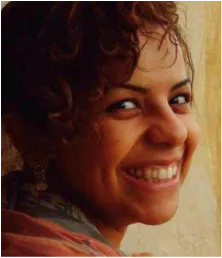
Alia Mossallam has two passions. One is working with children using colors and the other is listening to people tell stories. Alia has recently completed a PhD that explores a popular history of Nasserist Egypt, through the stories told, and songs sung by the people behind the 1952 revolution, namely the workers who built the Aswan High Dam, the Nubians displaced by it, and the members of the resistance in Port Said and Suez, in 1956 and 1967 respectively. This is part of her continued research and interest in the stories behind the popular movements and revolutions that make Egyptian history but are seldom told. She is now engaged in a number of projects teaching youth inside and outside of academic institutions all over Egypt - and occasionally beyond - to dig deeper into their own personal and communal histories and explore ways to re-tell them creatively. She continues to look for these stories, and songs, in an attempt to recover a lost history of popular movements; and in hopes that one day, we may write our own.
Get the CILAS newsletter
New courses, open calls and articles from CILAS, in your inbox.



18 October 2026
Join CILAS's Spring semester of 2026
- Spring 2026, Cairo