Courses
310 courses since 2014
What we cover at CILAS matters less than what a student discovers.
310 courses
- 01
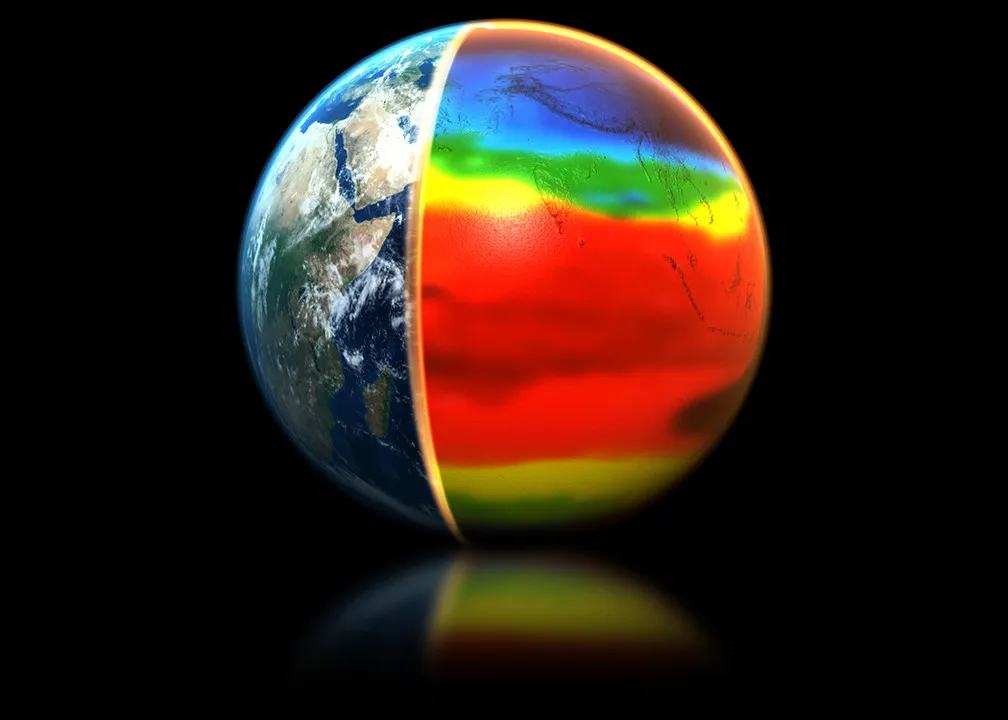
Of Planetary Boundaries and Limitless Humans
Explore planetary limits, food systems, barriers to change, and possible futures for Egypt and the wider world.
View course - 02
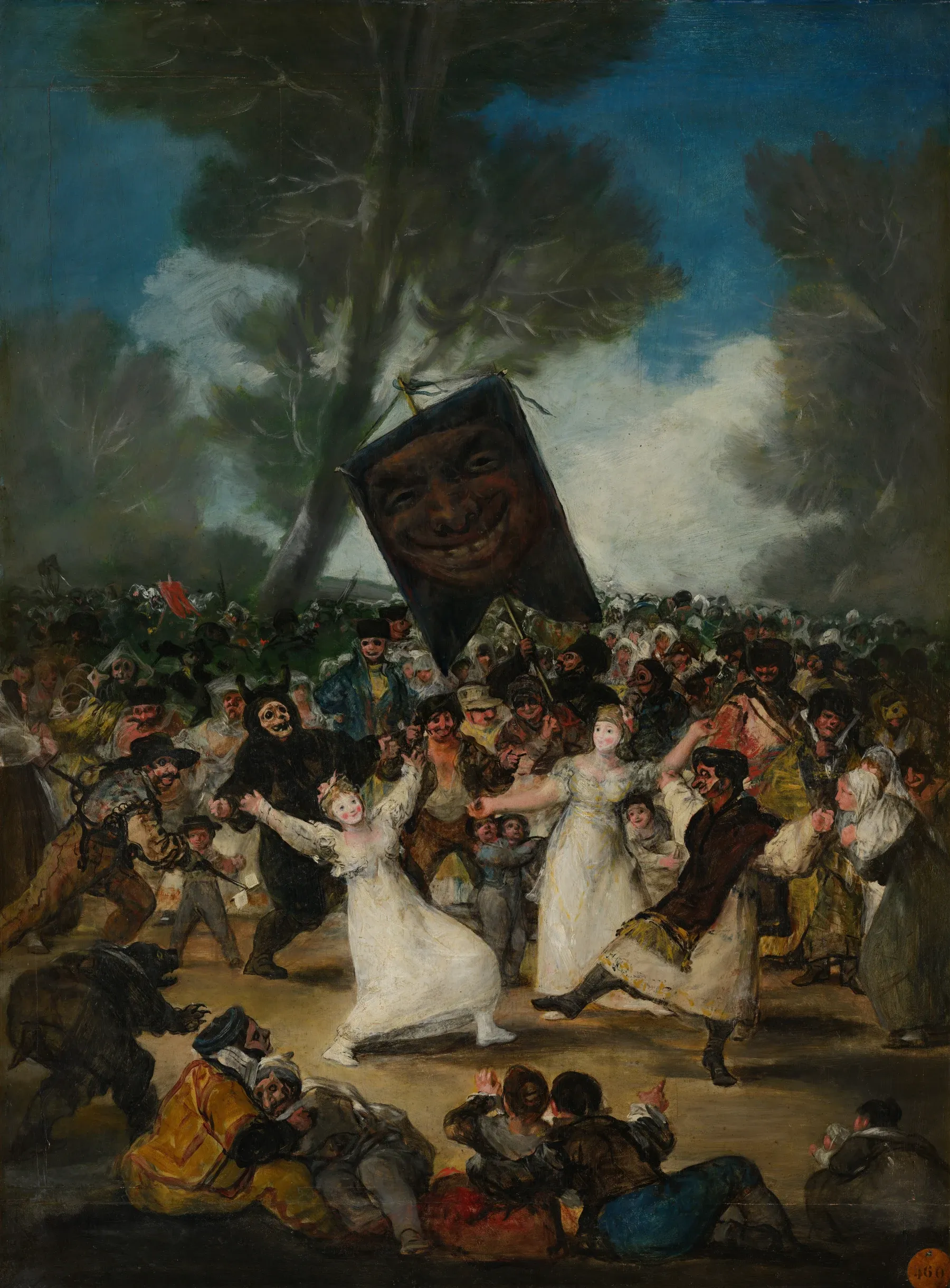
Psychoanalysis Is an Antiphilosophy
Read Freud and Lacan to explore how psychoanalysis challenges philosophical mastery and the desire to know everything.
View course - 03
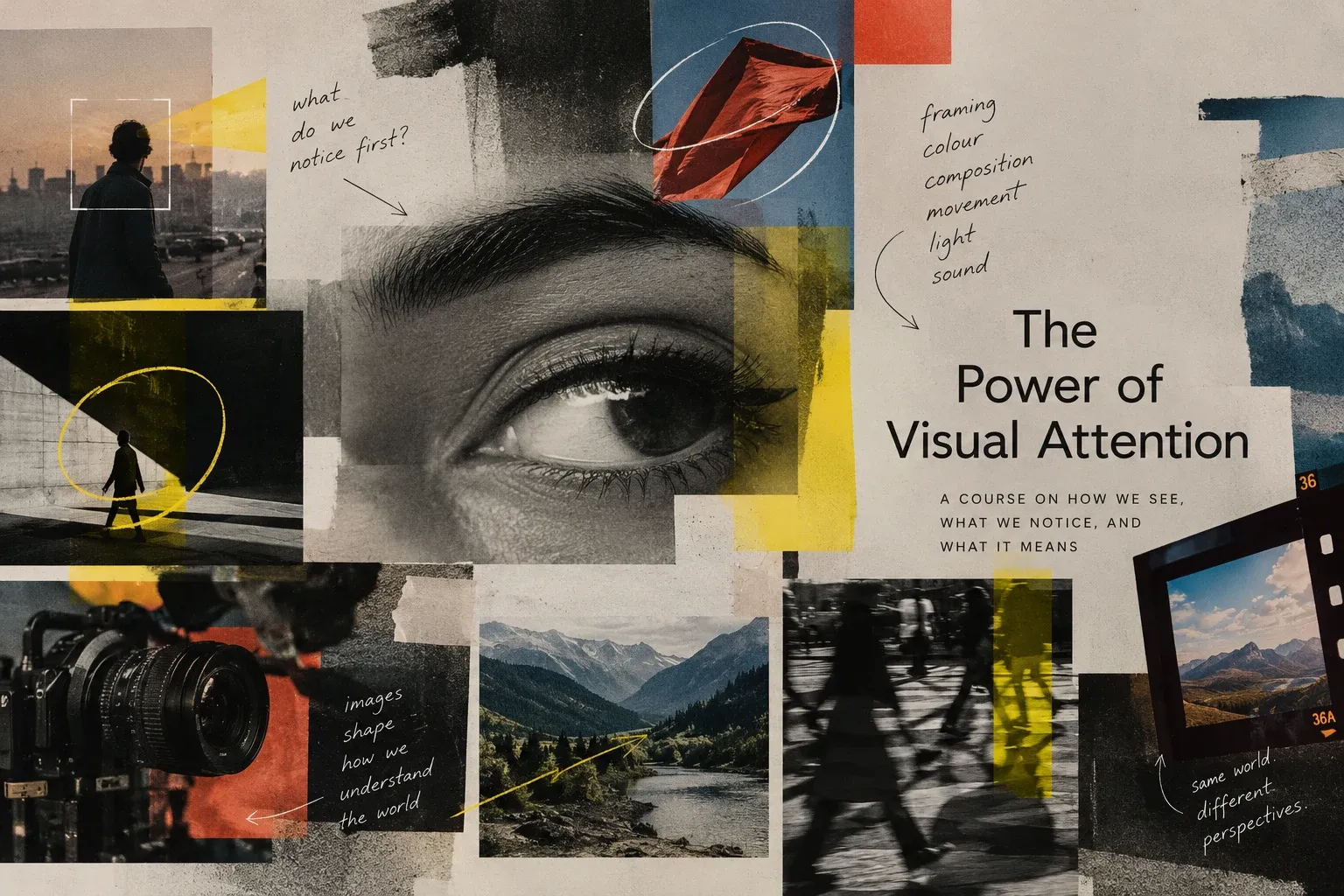
Seeing the Unseen
Investigate how visual attention shapes perception, art, media, technology, and everyday ethical decisions.
View course - 04
Minds, Machines and Meaning
Explore intelligence, knowledge, creativity, work, and human meaning through philosophical debates about AI.
View course - 05
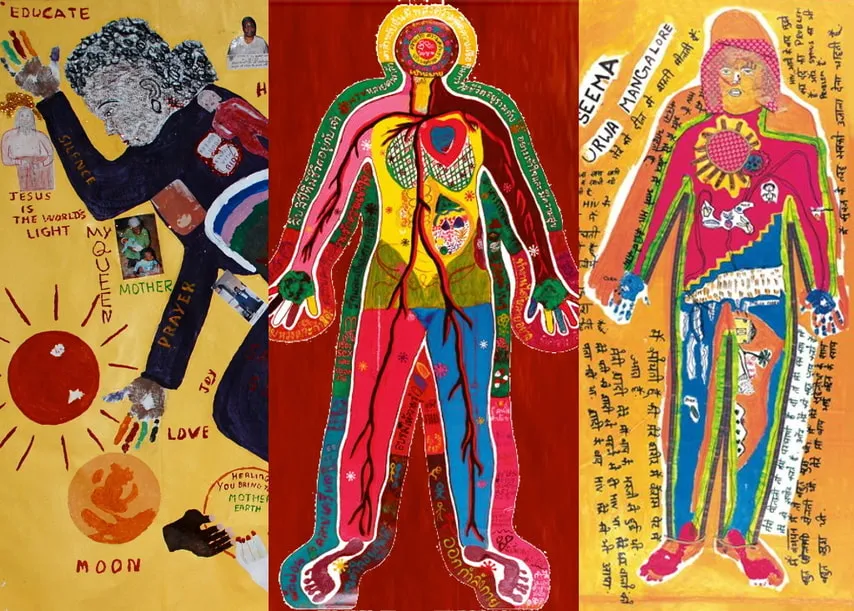
Medical Anthropology and Doing Social Research
Study health, culture, and inequality while learning tools for person-centered social research.
View course - 06
Economies of Refusal
Explore alternatives to capitalism through economic anthropology, Global South Marxism, Black feminism, and radical fiction.
View course - 07
Egypt vs. Masr
Use listening and small-scale sound ethnography to investigate class, identity, and urban life in Cairo.
View course - 08
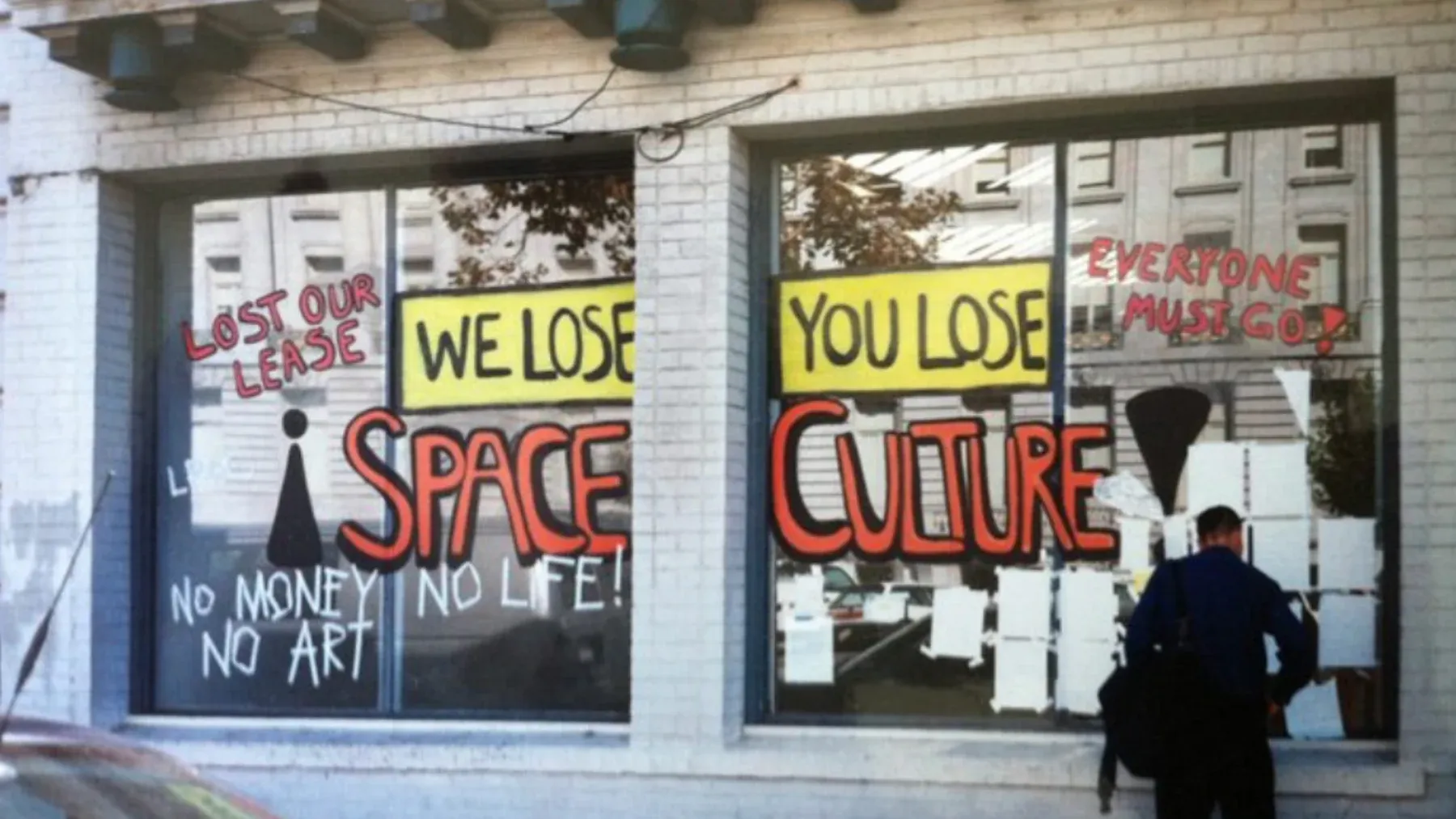
Art District or Art Washing?
Examine artwashing and displacement, and imagine cultural development rooted in community agency and belonging.
View course - 09
- 10
- 11
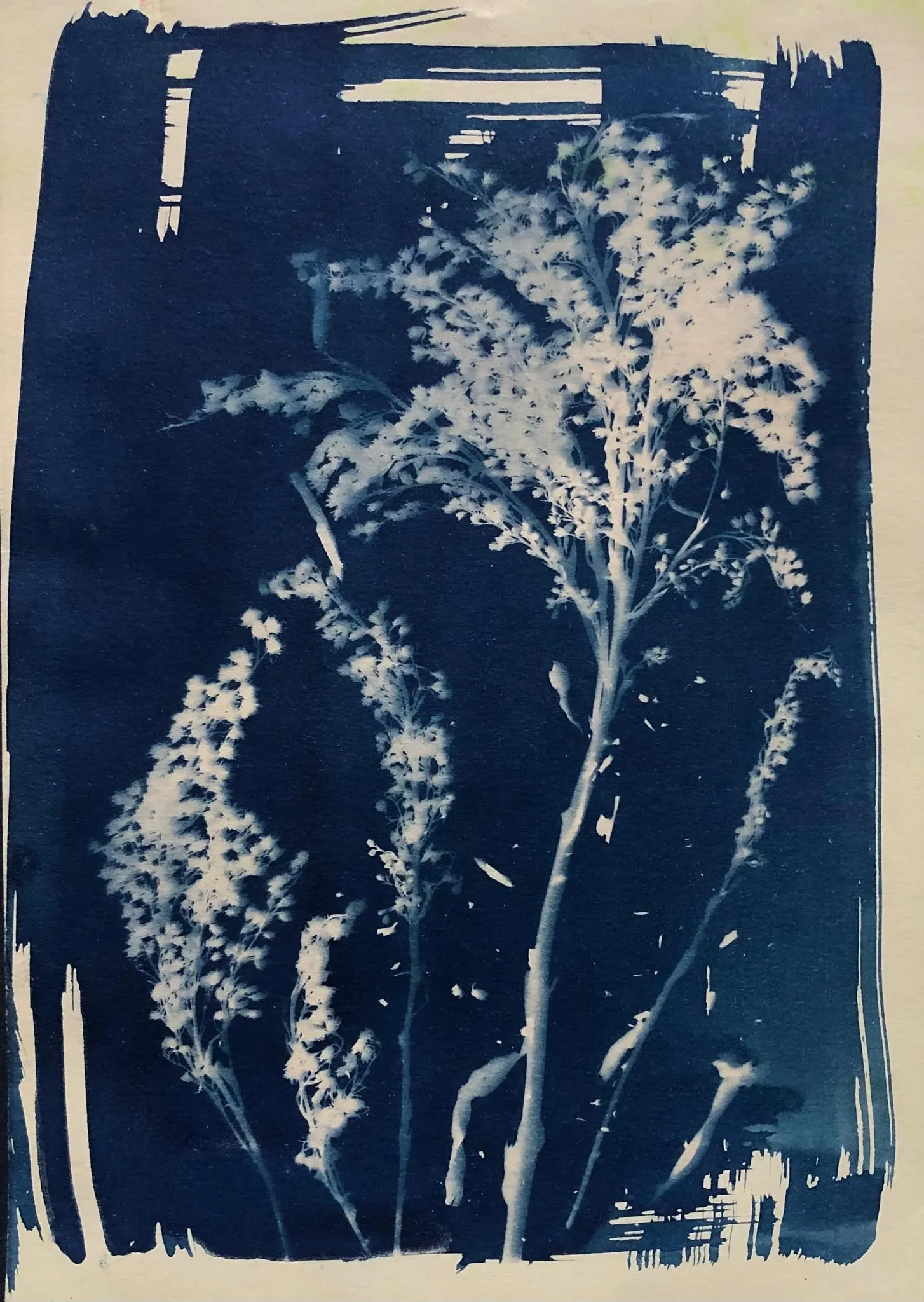
Blue Alchemy & Botanical Impressions: A 5-Day Cyanotype Workshop
Cyanotype / Blue Printing Workshop
View course - 12
- 13
Modernity and the Ecological Crisis: Why We Can’t Help but Destroy the World
Throughout the span of human history, no period has ever alienated humankind from the natural world as much as the modern era. In it, the advent of scientific discovery, the Industrial Revolution, and technological advancement have achieved a dual effect—one that simultaneousl…
View course - 14
- 15
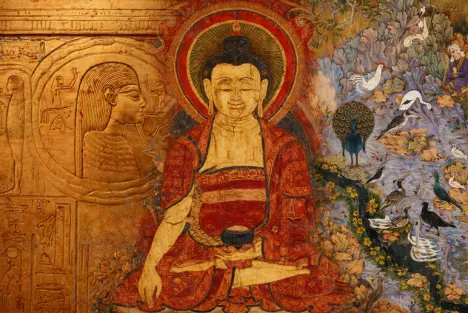
Reclaiming the Ancient: Poetry, Memory, and Living Traditions
This lab explores ancient poetic and philosophical traditions as living expressions of human thought, rather than distant or static artifacts. We will engage texts from ancient Egypt, Mesopotamia, and South and Southeast Asia, approaching them through relational, context-based…
View course - 16
Materialities of Empire
What can looking at materialities teach us about changing political empires? Global history is characterized by changing and competing empires. What material impact these empires have on political realities and daily lives is a central inquiry for both political historians an…
View course - 17
History and/in Anthropology?
Why history and why anthropology? What could the historian be if not a scribe of the worlds that humans live in, and what is the anthropologist if not an archivist of social forms of life? This course asks these questions in order to figure out the ways in which the tradition…
View course - 18
Global Esotericism: Spirits, Cults, and a History of Magic
What if magic never really disappeared? What if our modern world, with all its science, technology, and rationality, is still haunted by the occult, the mystical, and the unseen? In this experimental history seminar, we’ll travel across Europe, North America, the Arab world, a…
View course - 19
Buddhist Psychology
This course intends to cover the psychological aspects of the Buddhist Doctrine. Our main focus will be to explore in depth and as much extensively as possible, both the origins and developments of the autochthonous Indian experience of mind-examination, in both its tenets and…
View course - 20
What Is This Community?
This course invites students to explore the diversity of communities in Egypt through a case-based, exploratory approach grounded in ethnographic readings and visual materials. Rather than treating “community” as a fixed or self-evident concept, the course approaches it as som…
View course