Courses
310 courses since 2014
What we cover at CILAS matters less than what a student discovers.
165 courses
- 01
- 02
Materialities of Empire
What can looking at materialities teach us about changing political empires? Global history is characterized by changing and competing empires. What material impact these empires have on political realities and daily lives is a central inquiry for both political historians an…
View course - 03
History and/in Anthropology?
Why history and why anthropology? What could the historian be if not a scribe of the worlds that humans live in, and what is the anthropologist if not an archivist of social forms of life? This course asks these questions in order to figure out the ways in which the tradition…
View course - 04
Global Esotericism: Spirits, Cults, and a History of Magic
What if magic never really disappeared? What if our modern world, with all its science, technology, and rationality, is still haunted by the occult, the mystical, and the unseen? In this experimental history seminar, we’ll travel across Europe, North America, the Arab world, a…
View course - 05
What Is This Community?
This course invites students to explore the diversity of communities in Egypt through a case-based, exploratory approach grounded in ethnographic readings and visual materials. Rather than treating “community” as a fixed or self-evident concept, the course approaches it as som…
View course - 06
مقدمة في التاريخ الاجتماعي للتراث الإسلامي
تقدم هذه الدورة فرصة للتعرف بشكل بانورامي على تاريخ تطور أهم الأفكار في التراث الإسلامي السني. وتقدم هذه الدورة قراءة فريدة بحيث تقرأ الأفكار في سياقها الاجتماعي التاريخي، وفي سياق تطوراتها اللاحقة وتأثيرها على الواقع المعاصر. تمثل هذه الدورة مقدمة لمن يرغب في التعرف على أهم ا…
View course - 07
- 08
Who Are “We”? Class, Identity, and the Struggle of Belonging
This course is a workshop-style seminar where participants come together to think collectively about social class and identity from an anthropological perspective. Rather than focusing only on abstract theory, the course connects key ideas to everyday life and to the social an…
View course - 09
Beyond the Binary: Bridging the Gap Between Nature and Culture
Throughout the span of human history, no period has ever alienated humankind from the natural world as much as the modern era. In it, the advent of scientific discovery, the Industrial Revolution, and technological advancement have achieved a dual effect—one that simultaneousl…
View course - 10
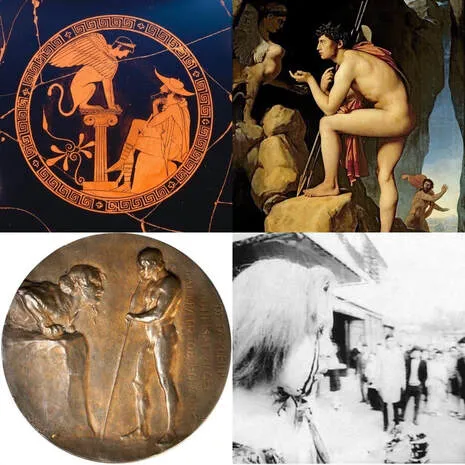
Unravelling Oedipus: Wanderings of the Myth in Literature and Theory
Addressing themes of agency and freedom, self-knowledge and identity, reason and truth, consciousness and the unseen, the myth of Oedipus is among the most reworked and reimagined in world literature. This disturbing story has served as a cornerstone in the construction of inf…
View course - 11
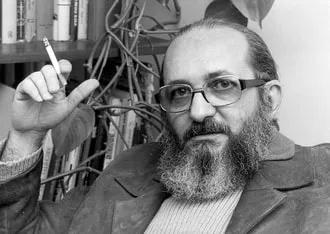
فلسفة "تربية المقهورين" عند باولو فريري
تستعرض هذه الدورة فلسفة الفيلسوف والمربي البرازيلي، باولو فريري، المعروفة باسم «تربية المقهورين»، ومن خلالها نسعى للإجابة عن أسئلة جوهرية: من هم المقهورون؟ وما معنى تربيتهم؟ وكيف يمكن أن تتحقق هذه التربية في واقعنا المعيش وممارساتنا نحن بمختلف تخصصاتنا واهتماماتنا؟ تركز الدور…
View course - 12
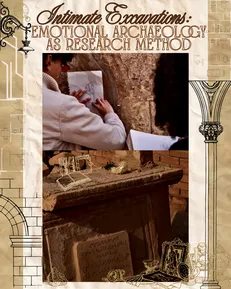
Intimate Excavations: Emotional Archaeology as Research Method
Inspired by the autoethnographic method, I’m reaching out personally to invite you to join Intimate Excavations: Emotional Archaeology as Research Method, my second course at CILAS. This course stands independently, but grows organically from my earlier offering, Performing S…
View course - 13
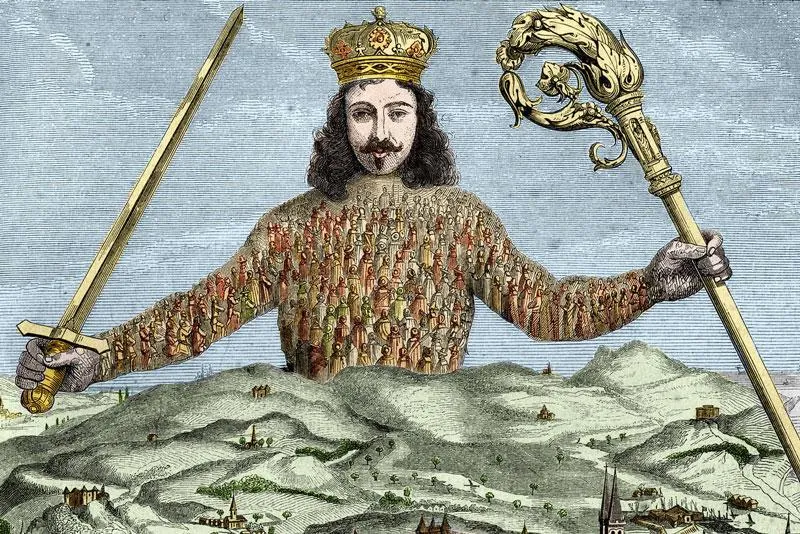
What is the State? An anthropological inquiry
The question of what is the ‘State’ and how it operates has always been central to social sciences as much as the state itself has been central to living in modern societies. Social scientists, activists and radicals have for decades disagreed widely on the nature, role, and e…
View course - 14
The Whole Land is Sulfur and Salt
God and the religious-existential struggle of our modern life
View course - 15
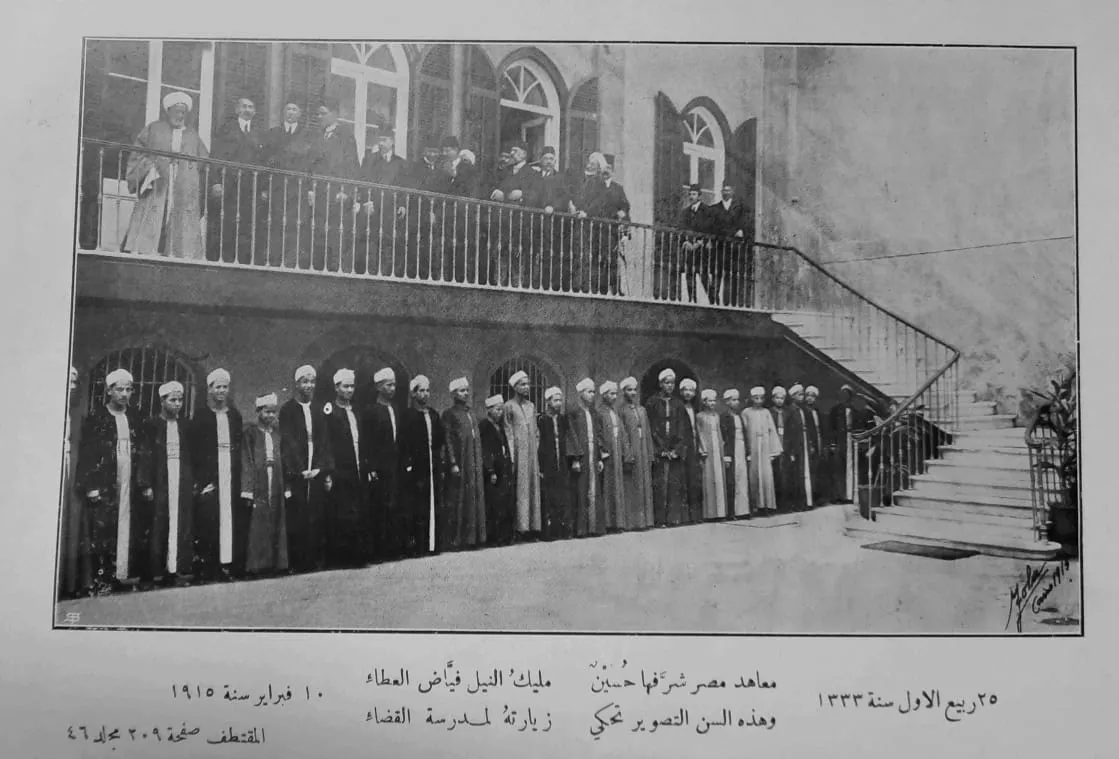
الشريعة والمحاكم والإستعمار في مصر: تاريخ المحاكم الشرعية في النصف الأول من القرن العشرين
تقدم هذه الدورة فرصة للتعرف على تاريخ المحاكم الشرعية التي كانت موجودة في مصر حتى منتصف القرن العشرين، بوصفها مدخلا هاما لاستكشاف جوانب مختلفة من الحياة الاجتماعية والثقافية والسياسية في مصر خلال هذه الفترة الهامة. وتقدم هذه الدورة تاريخ المحاكم الشرعية ضمن إطار أوسع يحاول فهم…
View course - 16
مقدمة في التاريخ الاجتماعي للتراث الإسلامي
تقدم هذه الدورة فرصة للتعرف بشكل بانورامي على تاريخ تطور أهم الأفكار في التراث الإسلامي السني. وتقدم هذه الدورة قراءة فريدة بحيث تقرأ الأفكار في سياقها الاجتماعي التاريخي، وفي سياق تطوراتها اللاحقة وتأثيرها على الواقع المعاصر. تمثل هذه الدورة مقدمة لمن يرغب في التعرف على أهم ا…
View course - 17
Christian-Muslim relations in Egypt
Christian-Muslim relations in Egypt are deeply rooted in the country’s history and are influenced by state policies, religious institutions, and global political events. This course adopts an interdisciplinary approach to explore the evolution and current state of these relati…
View course - 18
Confronting Modernity: Art, Politics, Religion and Science
Confronting Modernity: Art, Politics, Religion, and Science invites students to explore the intricate and often contentious relationship between modernity and its various dimensions. This course delves into how modernity shapes our understanding of art, politics, religion, and…
View course - 19
Anthropology and Storytelling Along the Water’s Edge
They can be opaque or crystal clear, familiar or mysterious, haunting, joyful, dreamy, muddy, bounded or endless; waterbodies are excellent sites for exploring the relationship between humans, and their various conceptions of culture and nature. Waterscapes both enact and wit…
View course - 20
Unveiling Heidegger: Exploring Truth, Art, Technology, and Metaphysics
In this course, we will aim at closely reading four of the most important essays written by arguably the most important philosopher in the 20th century, Martin Heidegger, tackling the following subjects: Truth, Art, Technology, and Metaphysics. In each of his essays, Heidegge…
View course