Courses
310 courses since 2014
What we cover at CILAS matters less than what a student discovers.
165 courses
- 101
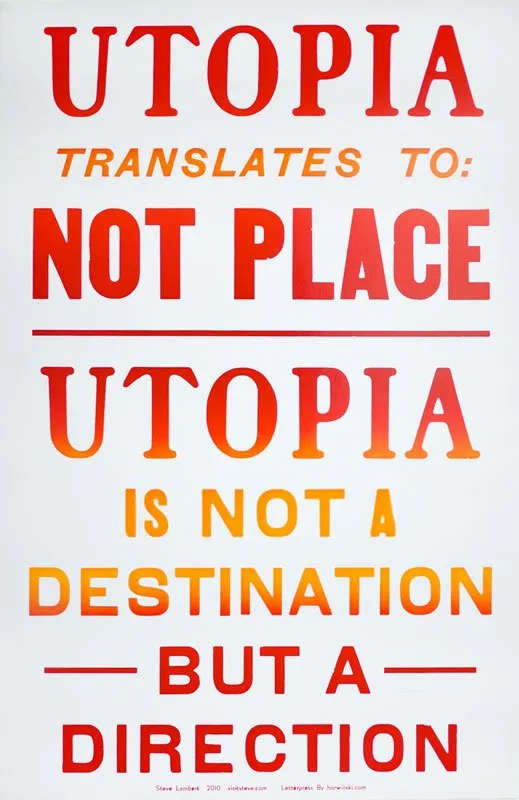
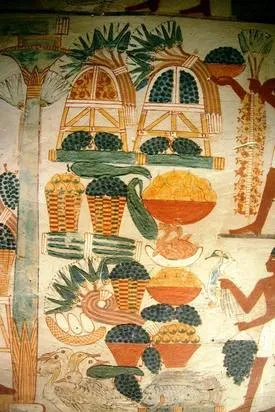
To Stand With the Dreamers: On Utopia
This course offers an overview to Utopia and Utopianism. The word Utopia was coined by Thomas Moore in his 1516 novel “Utopia”, to describe a “perfect” ideal city that the novel takes place, and etymologically It means the good place that is no place or the good place that doe…
View course - 102
The Poetics of Ethnography
How, why and for whom exactly do we ‘research’ and write? Are we longing for connecting to what has been devoured by the responsibilities and hassles of our everyday? Or are we, in one way or the other, reproducing the very ‘stuff’ that we aim to disentangle from? Who has the…
View course - 103
- 104
Philosophy of Education: On Becoming a Humanistic Educator
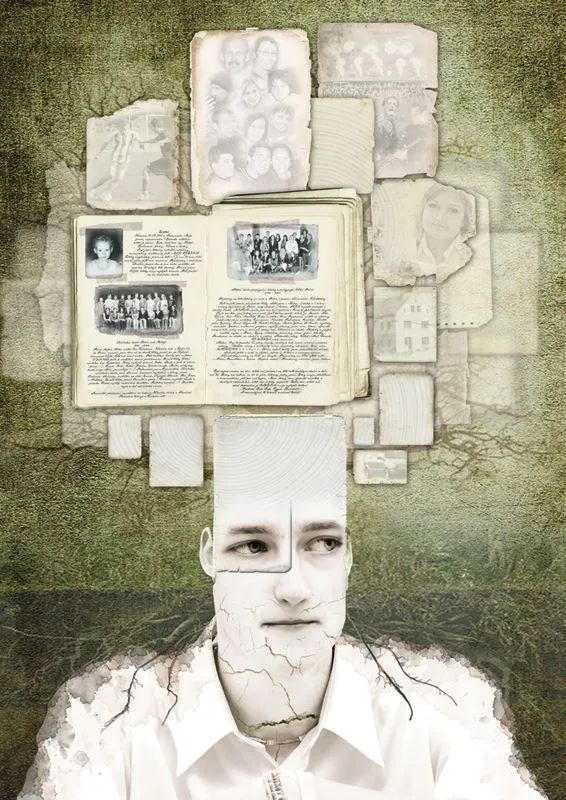
The moment that we are born, we are classified as humans, yet we rarely find a simple answer to the never asked questions: What is to be a human? Are there any traits that distinguish us among all other creatures? Are they innate or learnt? "On Becoming a Human: On Becoming a…
View course - 105
Past, Memory(ies) and Identity(ies)
The outbreak digital era and the- so-called –Uprising in Egypt pushed many scholars to question several concepts such as History, memory, nationalism and identity to name a few. The availability of the information on the internet and the multiplicity of research resources prop…
View course - 106
Oral History Theory & Practice
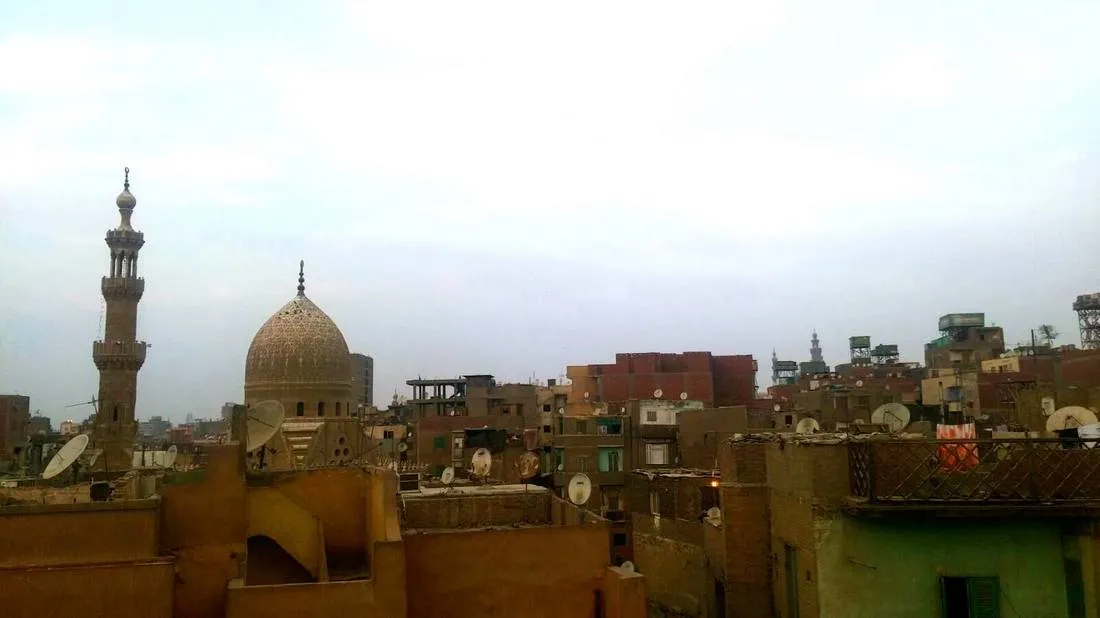
Family, Community and Migration Histories in the Khalifa Neighborhood
View course - 107
- 108
Minorities and the City
Spatial conditions reflect social, political, economic, and cultural norms in a city. This course intends to shed light on the concept of minorities and their role in city development, by looking at minorities from deeper perspectives: the marginalised, the disabled, the disad…
View course - 109
Falling
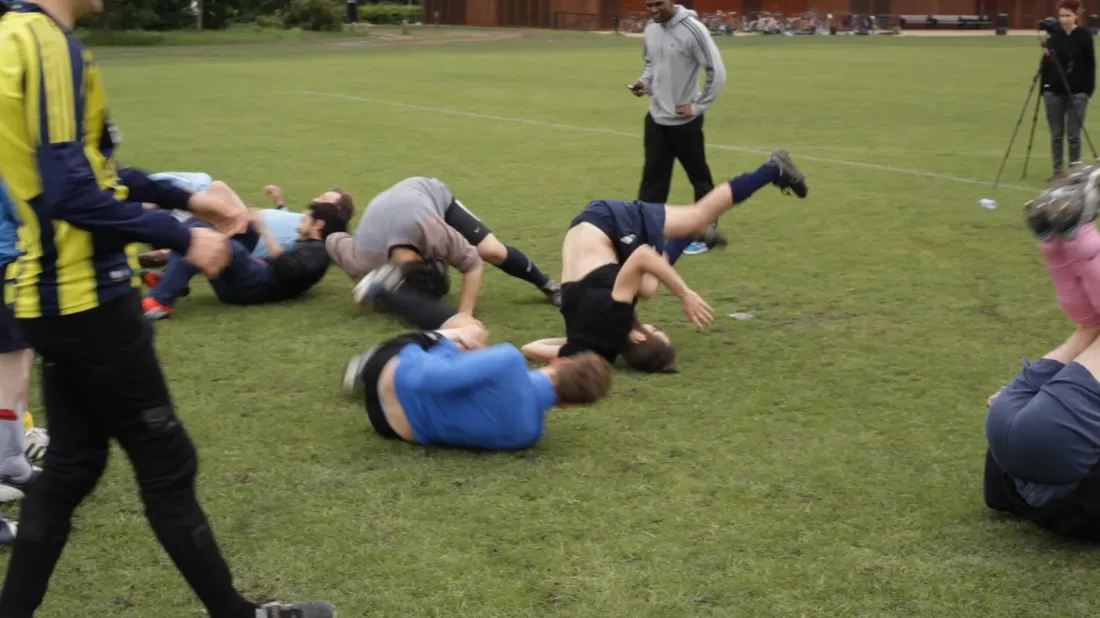
The act of falling is simple. Falling is what happens when you are off balance; it makes your body drop and loose control and often provides amusement for spectators. Defined as a downward movement from a higher to a lower level, to hang down, to drop away, to show disappointm…
View course - 110
On the art of manliness
Manliness or masculinity -- especially in the Middle East -- remains understudied. Masculinity is fluid and hence difficult to describe and comprehend. Few have inquired into how men groom themselves, feel about being single, getting old, sick, bald or overweight. What is the…
View course - 111
- 112
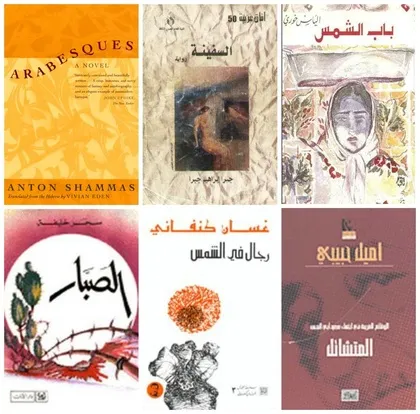
The Palestinian Narrative in Modern Arabic Literature
This course offers an overview of Palestinian literature, with a special focus on the Palestinian novel and its development since the second half of the 20th century. With the establishment of the state of Israel in 1948, the brutal annihilation of the Palestinian people, thei…
View course - 113
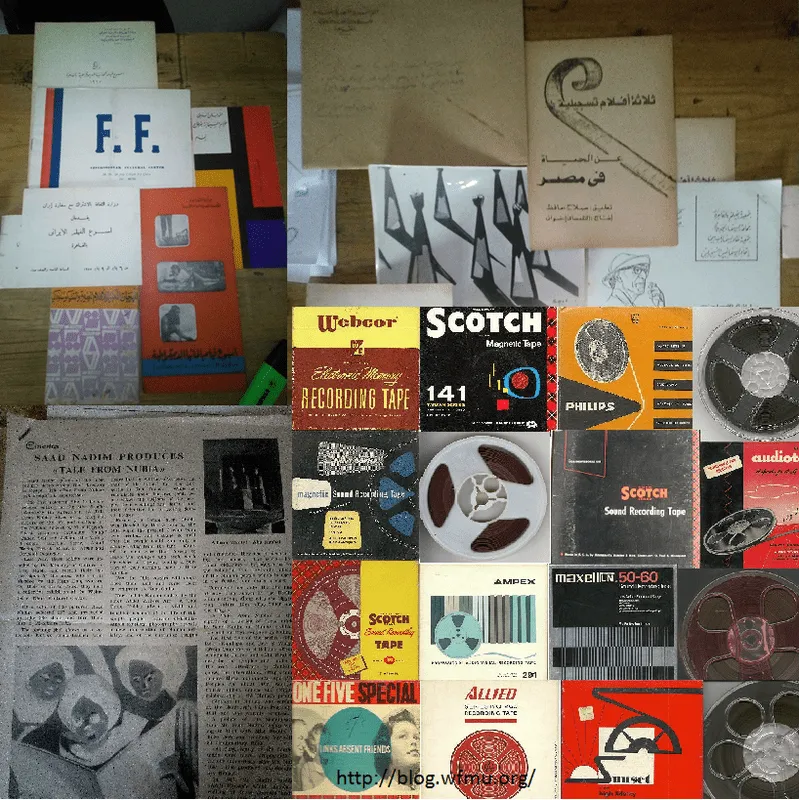
Sound Thinking: A Seminar of Auditory Praxis
Sound is ubiquitous. To evade the visual, we simply close our eyes, but to escape the sonic space is nearly impossible. Cairo is a thought-provoking sonic cacophony of an average of 87 decibels; a threatening threshold to the ear. How can we think the auditory of this city and…
View course - 114
- 115
Postcolonialism, Modernity and Politics
Course description The foundations and legitimacy of European social theory has been shaken. Thinkers from different backgrounds have questioned the alleged universalism of social theory’s central philosophical orientations and categories — such as civil society, the state, m…
View course - 116
Film and Moving Image
The course is designed to introduce the qualities of film and the perspectives they might offer us. Through the study of selected films, short readings, lectures and discussion, this course will introduce the specific elements of film. In each session, we will read critical re…
View course - 117
Egyptian Nationalism from 1919 to the Present
How has Egypt been imagined as a modern nation-state? how did Egyptian intellectuals and the educated middle class draw borders of nationhood, including and excluding various groups in the process? and what changes did Egyptian nationalism undergo with the achievement of compl…
View course - 118
Bringing the gut home: on movement and memory
course description In this course we will attempt to experience moving with intention, where this movement can be bodily, emotional, or a mix between both. Together we will look into the role of intention in movement that leads to discovery or remembrance. Asking questions l…
View course - 119
Black Swans: On Making Sense of Mess
course description In 2007 economist-philosopher Nassim N. Taleb, a former trader and risk analyst, published his Book The Black Swan: The Impact of the HIGHLY IMPROBABLE. In his book, Taleb is “skeptical about confirmation”. He explains the black swan logic as one that “make…
View course - 120
Biomimicry: Nature's genius inspiring solutions all around us.
course description Ever wondered how can we live on planet earth, in a way that is more sustainable and more in-tune with nature? Biomimicry offers this perspective, it is the field of study that gives you the tools to learn how to deeply look and interpret nature to empower…
View course