Spring 2017, CairoThematic Course
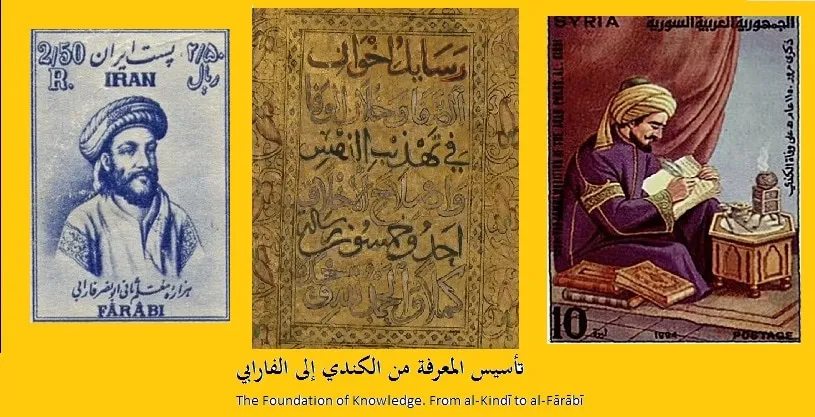
The foundation of knowledge
From al-Kindī to al-Fārābī.
Course details
- Cycle
- Spring 2017, Cairo
- Taught in
- Arabic / English
Share
Discuss it with AI
- Choose your preferred AI assistant.
- A new tab will open with a prompt prepared for this page.
- Press Send to begin exploring the page through dialogue, CILAS-style.
About the course
What is the basis of knowledge? What is our first knowledge? What is the science we have to begin with and proceed to all the sciences?
The question of origin (where does it come from?) and foundation (what is it built on?) is a classical question coming from Meno(Plato’s dialogue) which had great developments in classical Arabic philosophy with a religious issue: what comes first, science or revelation?, an historical issue: how to transfer science from a learned nation to an ignorant one?, an epistemological issue: how to discover what never appears in front of our eyes? a sociological issue: everyone pretends to be a scholar, but who is a real one?, and pedagogical issue: how can we help pupils to access to a knowledge they ignore?
This course offers exploring the question of foundation of knowledge through studying Arab philosophers from al-Kindī (died before 870) to al-Fārābī (died in 950). We are used to consider them Aristotelian philosophers and rationalists defenders of prophecy, which is almost wrong. Arithmetician Pythagorean philosophers faced empiricist as logician Aristotelian thinkers. As some of them defended that prophecy is the origin of science, others that it’s an image of science, while others said that’s all fake. Philosophical activity reflected the huge diversity of the Abbasid empire.
What to expect?
-Methodology of philosophy (what is a philosophy? what is a concept? What is a problem?)
-Methodology of philosophical texts analysis
-An insight in Classical Arabic Philosophy
Who teaches it
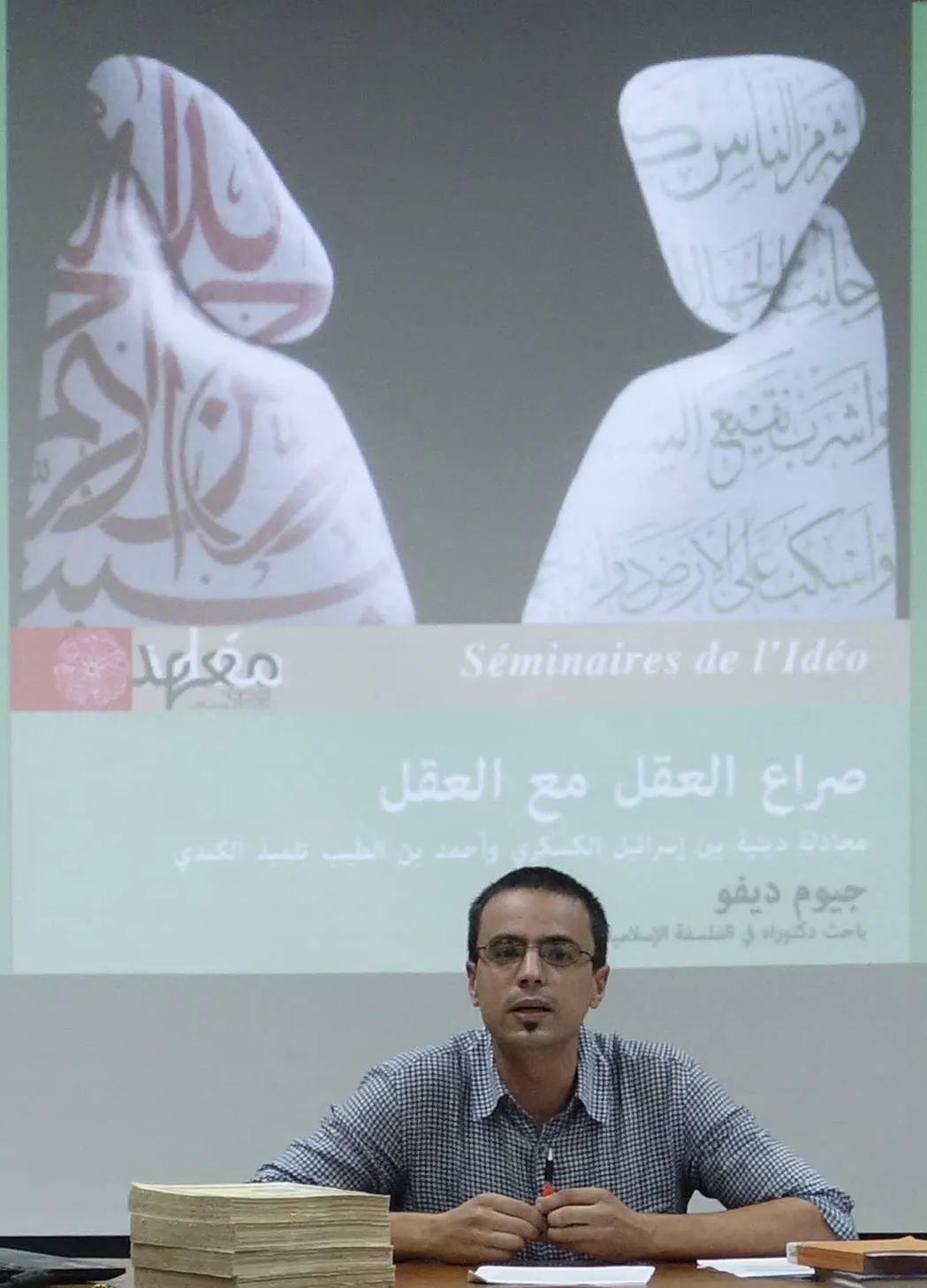
Guillaume DE VAULX has completed his PhD at Sorbonne University on Islamic philosophy (Rasâ’il ikhwân al-safâ – On Totality), he is now an associated scholar at SPHERE (a lab for history of sciences in Paris VII-University) and he works with IDEO (Dominican Institute for Oriental Studies in Cairo). Guillaume has been teaching philosophy for more than ten years in secondary schools in both Alexandria and Cairo. He is modestly trying to be an urban farmer.
Get the CILAS newsletter
New courses, open calls and articles from CILAS, in your inbox.



18 October 2026
Join CILAS's Spring semester of 2026
- Spring 2026, Cairo