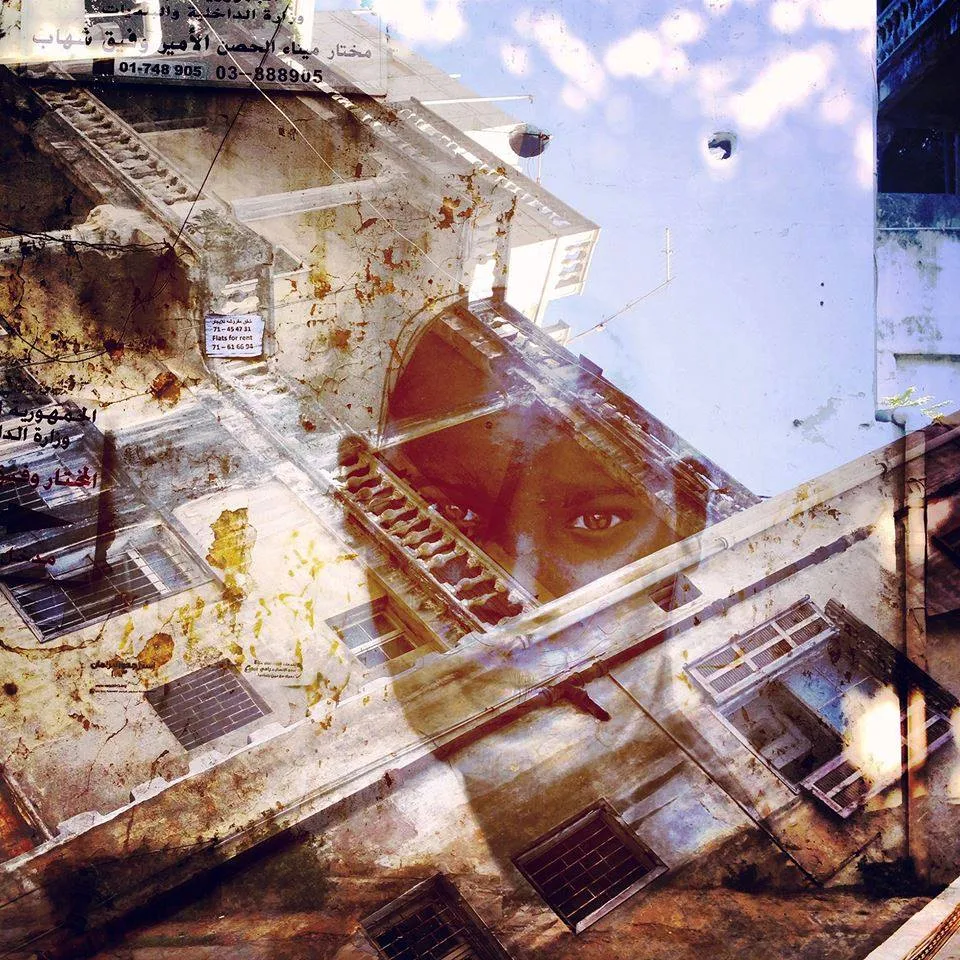
Spring 2017, CairoThematic Course
Oral History Theory & Practice
Family, Community and Migration Histories in the Khalifa Neighborhood
Course details
- Cycle
- Spring 2017, Cairo
- Taught in
- English / Arabic
Share
Discuss it with AI
- Choose your preferred AI assistant.
- A new tab will open with a prompt prepared for this page.
- Press Send to begin exploring the page through dialogue, CILAS-style.
About the course
Oral history interviewing is an important tool in the historian and anthropologist’s methodological repertoire. Oral historians have played a particularly important role in recovering histories ‘from below’, through collecting the stories of ‘subaltern’ or marginalized communities, nuancing and challenging dominant narratives of the powerful, and documenting the stories of people whose voices are ignored or silenced in the historical archives of nations, public institutions and history textbooks.
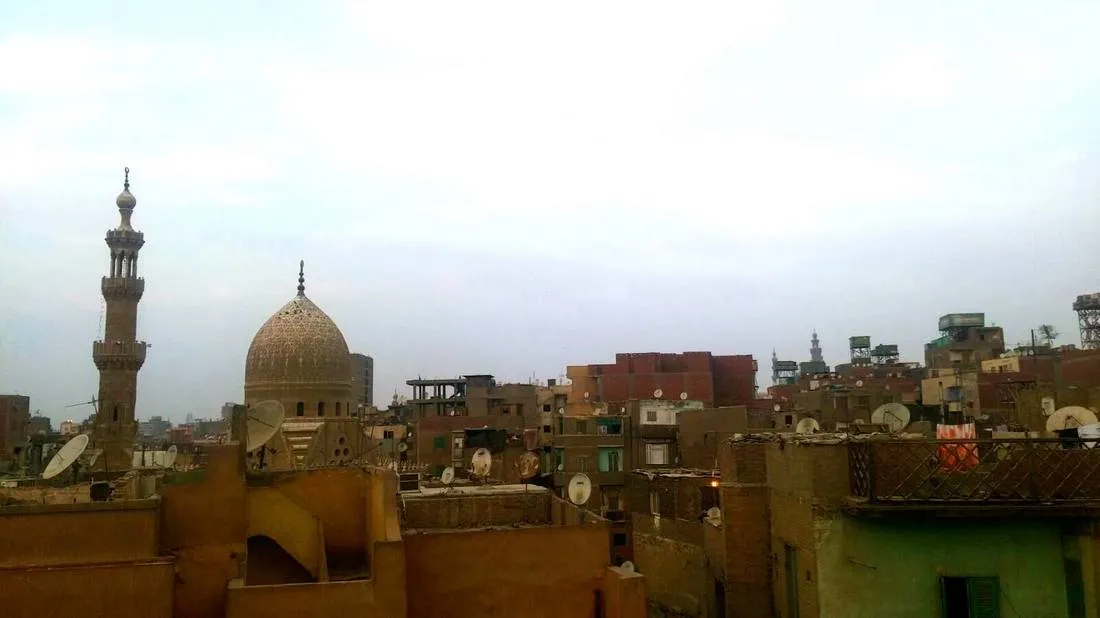
In this hands-on course, you will be trained in all the stages of conceptualizing, preparing for and carrying out an oral history project. Our class project - which we will complete in the course of the term - will focus on migration and family histories in the Khalifa neighborhood, the historical quarter beneath the CILAS balconies.
In preparation for the project, we will start by reading some theory and methodology texts on memory and history and on the process of ‘doing’ oral history. Then, in cooperation with the Women and Memory Forum (link), we will learn how to plan, carry out and transcribe interviews; how to analyze the sources we collect through various analytical lenses such as class, gender and generation; and how oral sources can be creatively integrated into various projects.
To understand how the family and migration narratives of Khalifa residents intersect with the ‘material’ histories of the area, we will consult a range of sources to familiarize ourselves with the overlapping social, economic, cognitive and architectural ‘maps’ that have shaped the area. We will do so through walks and conversations with the experts at Megawra (link)- an NGO that has done extensive work in urban development in the area – and through written materials such as demographic and development reports, an ethnography and literary texts.
From the third week we will divide our time between interviewing, transcribing and analyzing the transcripts. Throughout the course and in conversation with our interviewees we will think collaboratively about how we can use the collected narratives in an end-of-term project or exhibition.
Goals:
By the end of this course you will have acquired a working knowledge of how to set up, carry out and analyze an oral history project. You’ll also learn a great deal about the history, social structure and political economy of one of Cairo’s oldest and most lively quarters.
Expectations:
This is a practice-based course, so the success of the learning process depends on the participants’ commitment to completing all the steps involved in interviewing and transcribing, both of which require consistent attendance.
Because we will work with partners and residents in the Khalifa neighborhood it is very important that participants are scrupulous in applying the ethics of oral history interviewing, including sensitivity towards our interlocutor’s wishes and concerns, the preservation of their anonymity, and absolute confidentiality in handling the data we collect.
Who teaches it
Rahma BAVELAAR moved from the Netherlands to Cairo in 2004 and is currently completing her PhD thesis in Anthropology at the University of Amsterdam. In her research she uses life-history interviews to explore discourses and practices around interfaith marriage in Egypt. Through the lens of these ‘private experiences’ she explores how church-state relations, developments in personal status legislation, feminist activism and the politics of religious identity impact and are impacted by intimate histories. She previously studied at SOAS and Northwestern where she worked on anti-colonial Sufi movements and poetry in the Horn of Africa.
Get the CILAS newsletter
New courses, open calls and articles from CILAS, in your inbox.



18 October 2026
Join CILAS's Spring semester of 2026
- Spring 2026, Cairo