Courses
310 courses since 2014
What we cover at CILAS matters less than what a student discovers.
165 courses
- 41
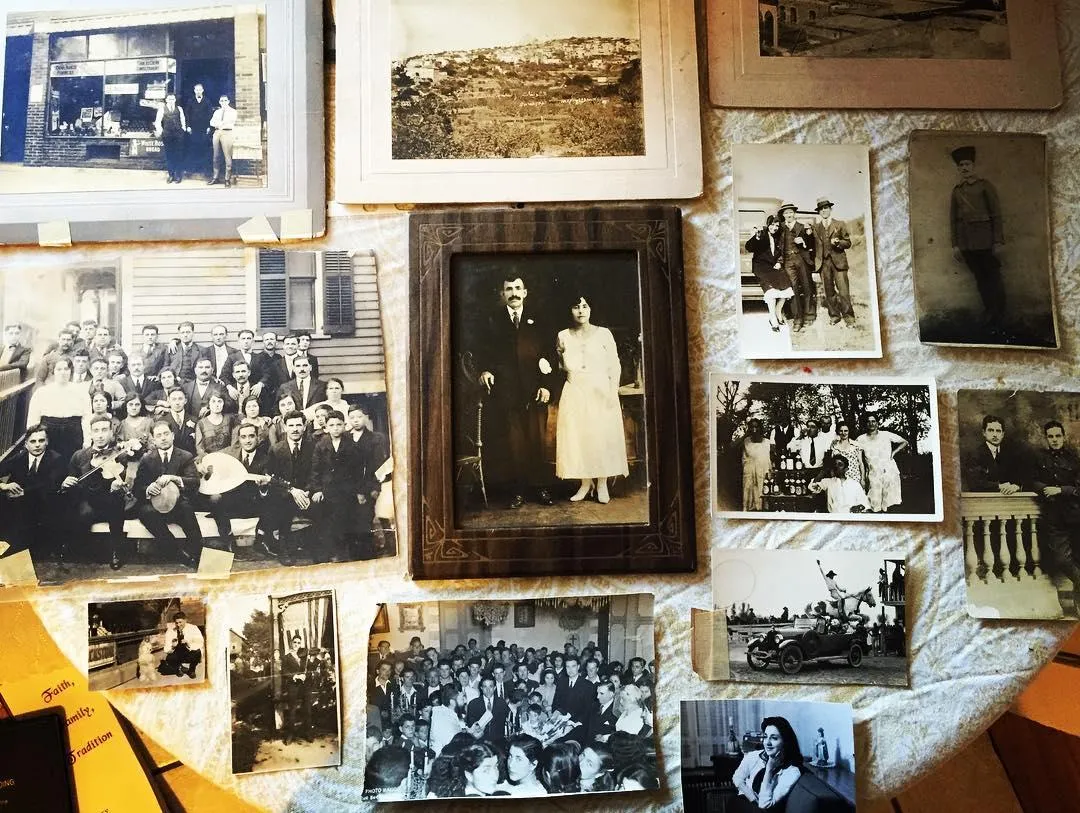
Intimate Archives: On Feminist Movements & Emotions
This is a poetic investigation, and the subject is ourselves. Archives, when combined with movements, become a documentation of those who rebelled; when combined with intimacy, they lose their coldness and distance. In Intimate Archives: On Feminist Movements and Emotions, we…
View course - 42
Feminist Phenomenology: The Body and the World
The body is the most familiar and natural thing we perceive. It is through the body that we first become aware of our surroundings. We experience the world around uswithand throughour bodies, and as we exist in the world, we soon realize that our body is not just for us to per…
View course - 43
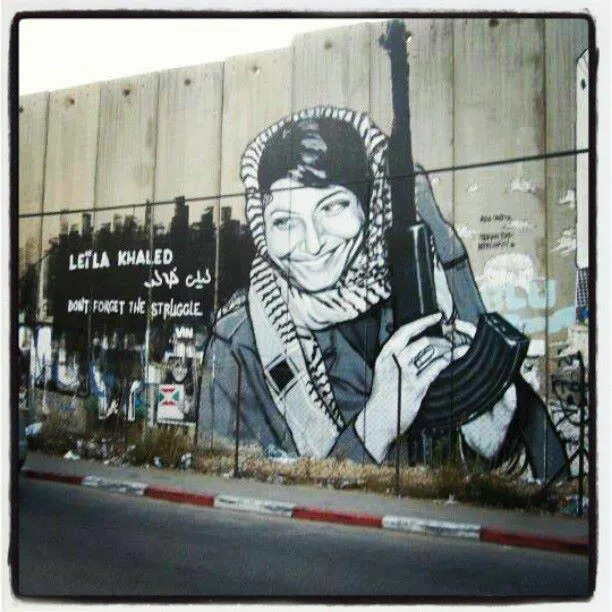
Archives of Memory and Forgetting in the Middle East
Milan Kundera tells us in his Book of Laughter and Forgetting that “The struggle of man against power is the struggle of memory against forgetting.” This observation– that how and why we collectively remember is intimately connected to struggle and power– is the guiding theme…
View course - 44
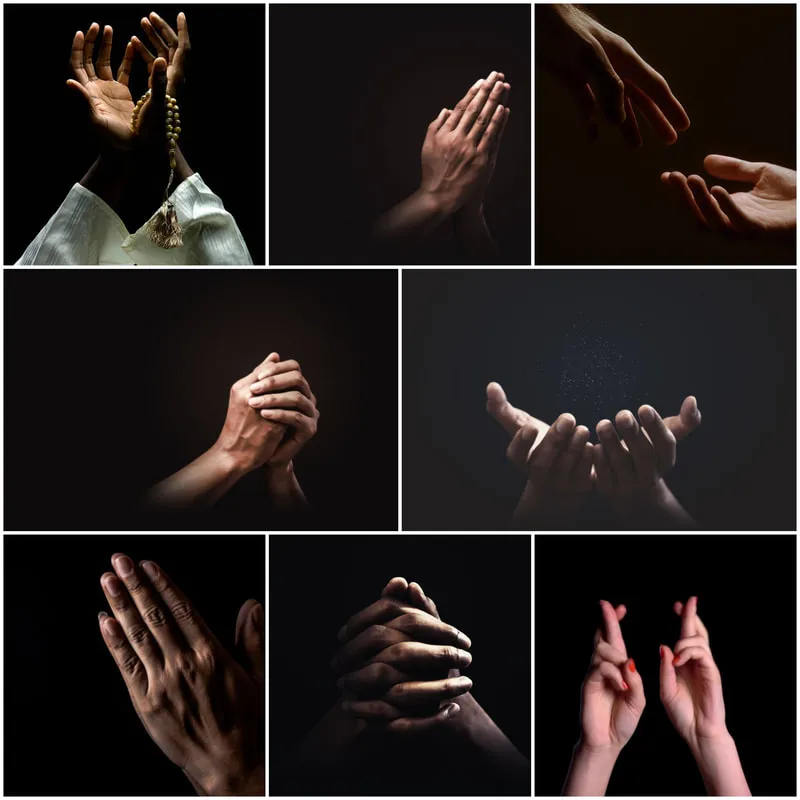
Anthropology of Religion: History of Religion and Rituals
Anthropology is the study of people, cultures, and the human condition. This course introduces the concepts of religion and spirituality with an anthropological, historical, social, and cultural lens that focuses on rituals and healing. Our question does not focus on the synop…
View course - 45
How do we talk about Death?
Nothing can be more unsettling than pondering one’s mortality. Death is ubiquitous, and yet never really spoken about. It remains a powerful taboo. And although we are definitely better off than our ancestors were, two hundred years ago, death can still find ways to rattle us…
View course - 46
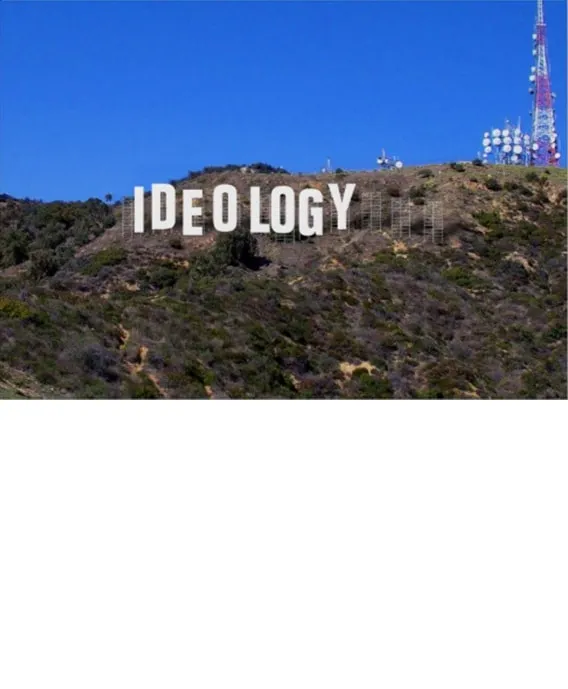
Why do we obey?: Ideology in Daily Life
How does authority re-produce itself in our everyday lives? What is ideology? How does ideology shape our attitudes, perceptions, and every day interactions? What can the works of Louis Althusser, Slavoj Zizek, Jacques Lacan, and other theorists of ideology tell us about ourse…
View course - 47
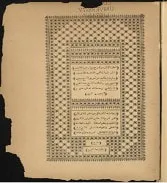
Towards a History of Islamicate Print
Revolution and Continuity between Colonialism, Religion, and Gender
View course - 48
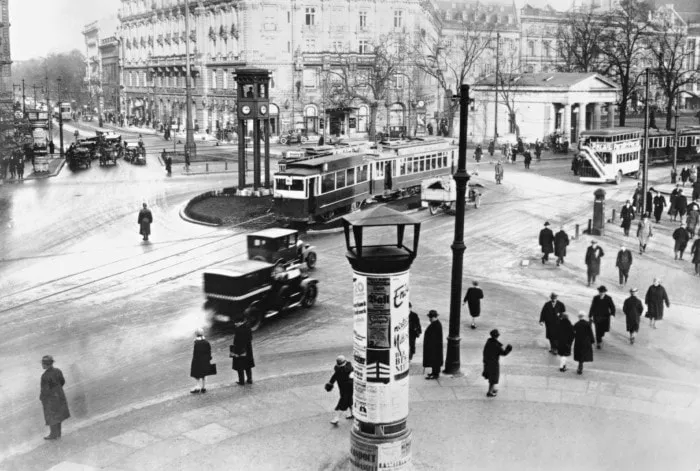
The Whatness of Cinematic Urbanism
The aim of this course is to fuel further curiosity in discovering and understanding cities through cinematic images; to use films as tools to analyze the spatial relationships between society and its surrounding urban scenery. The main idea is not mere camera movement and ang…
View course - 49
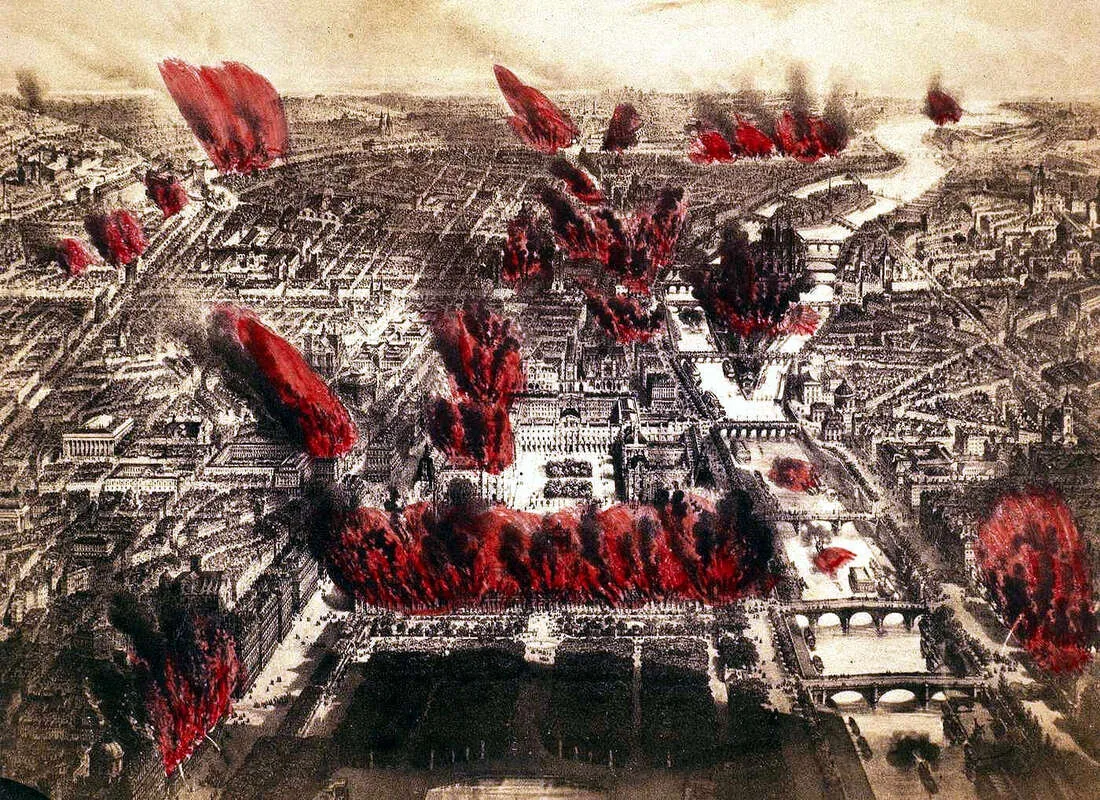
The Threshold of Fire: Incendiarism, Hysteria, and Civilization
Fire is imagined as the first invention of “man.” It inaugurates humanity into technology, it fuels civilization, and arms its march and its ability to defend itself. It is also imagined as a destructive force, something that flows out of control, defies logic and subverts or…
View course - 50
- 51
- 52
Intercessing with artistic research
"Intercessing with artistic research” is an interdisciplinary class that offers insights into minor performative artistic research strategies. While continuously asking what else artistic research can do, the class explores the multiplicities of processes operating in the peri…
View course - 53
- 54
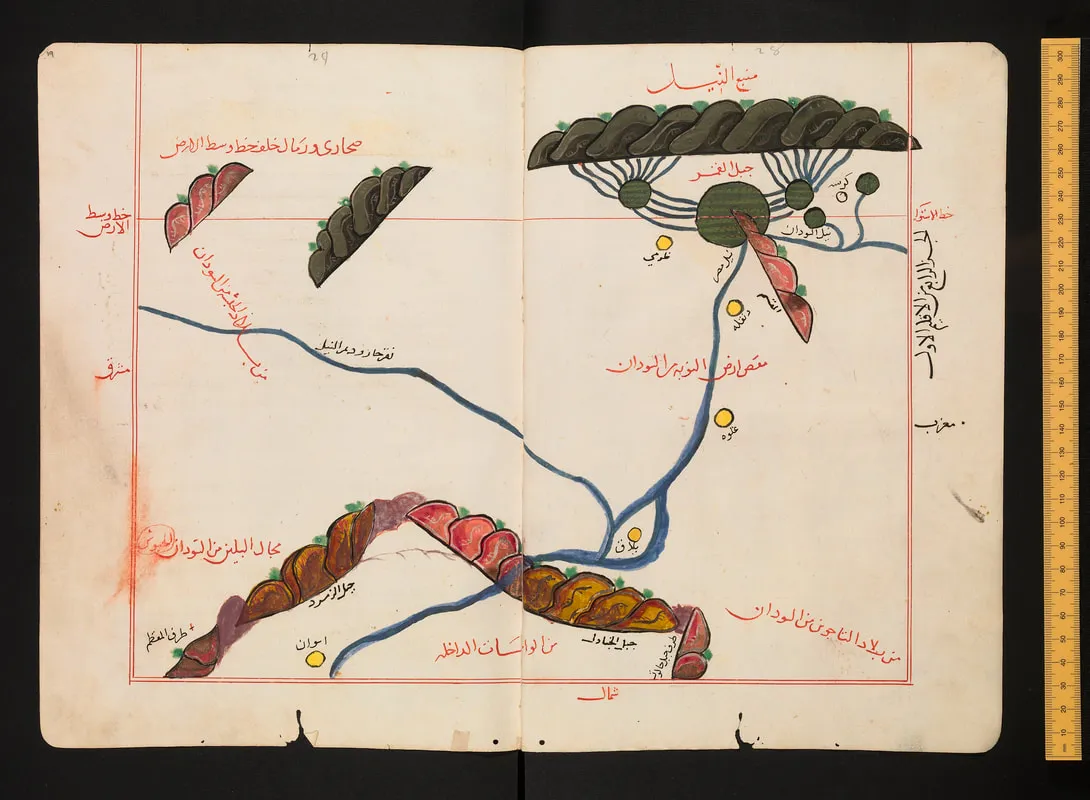
Singing the Nile
Tracing renderings of the Nile from epistemological reference to lyrical geography
View course - 55
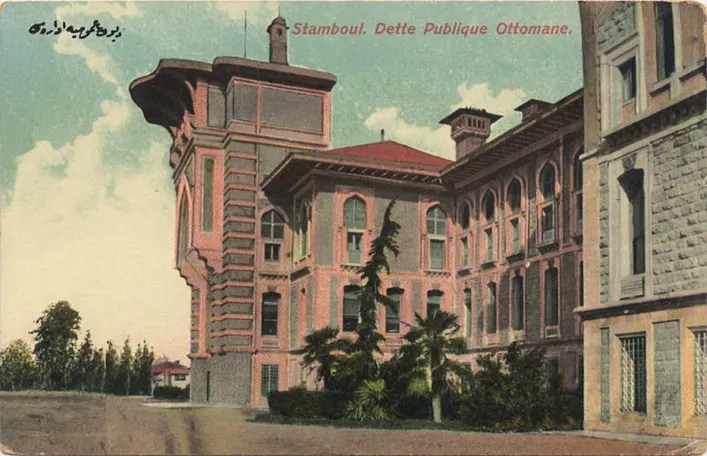
Debt: A Transdisciplinary Exploration
Debt has acquired such a centrality in our lives that some argue that homoeconomicus, the ‘economic man’ of liberal theory, has been displaced by a wholly new figure: the ‘indebted man.’ Is our indebtedness a new phenomenon, a function of increasingly global regimes of neolibe…
View course - 56
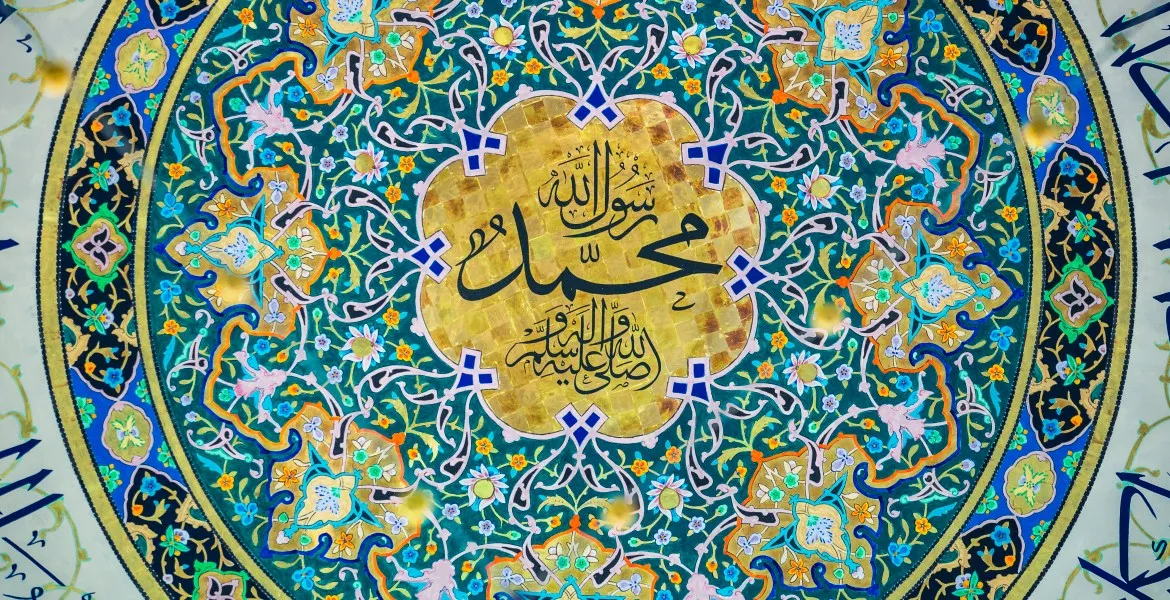
Meaningful Conversation with (a) Quran
'Read in the Name of Your Lord' is stated to be the first revealed quranic verse. The question is how do I read in the name of my Lord? This class is an exploration in reading Quranic verses. We will be using the methodology proposed in the collection Risale-i-Nur (the Epistle…
View course - 57
Politics and Technics: Infrastructure, Colonialism, Warfare
Is infrastructure political? Can infrastructure colonise, dispossess, and act as an instrument of warfare? We tend to think of infrastructure as useful objects, but can we think of them as built ideologies? Historically, infrastructural projects have been regarded as necessary…
View course - 58
Unhomely Times: On Fear and Dwelling in Modern Life
Whenever we are confronted with an event that can change the course of our lives, fear and trembling befall us. Two paths usually present themselves in such moments: either to run away from the event, or to address it. Philosophy is the latter – it is addressing those events w…
View course - 59
Thoughts on food/Food for thoughts
This course looks at food in perspective. We will explore various themes related to food, including the global history of foods and food heritage, food documentation and the roles foods play in rituals. The politics and the future of food will be critically examined with the h…
View course - 60
Religion and politics: What sort of justice after secularisation?
Secularisation, which has gradually identified itself with the project of "European modernity", can be defined as a process which emancipates societies from the constraints that religious institutions exert on them. The secularisation of modern societies, which is related to a…
View course