Courses
310 courses since 2014
What we cover at CILAS matters less than what a student discovers.
310 courses
- 221
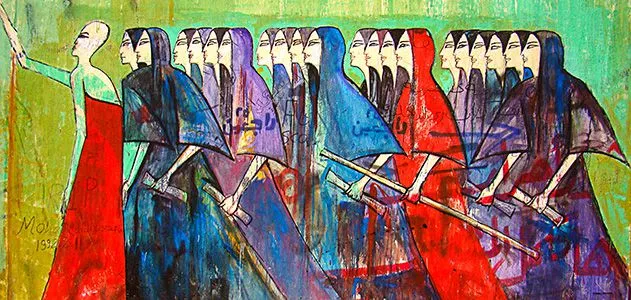
Identity, Culture and Resistance
How does culture shape, reinforce and challenge individual and collective identities? How do power and hegemony operate within and through culture? What roles do culture and creative spaces play in maintaining, and more importantly, challenging hegemonic identities and politic…
View course - 222
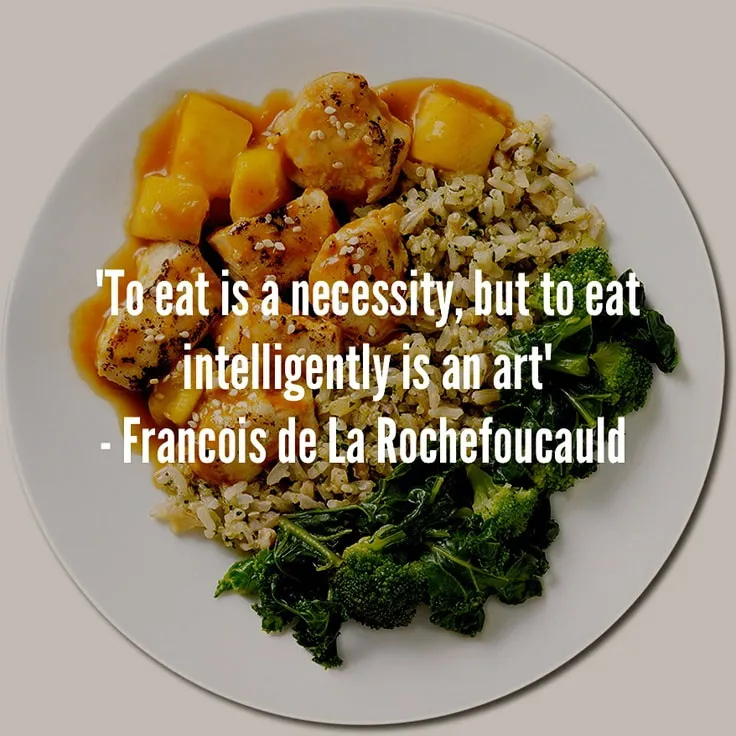
The food dilemma - navigating the diet jungle
Eating has become a complex matter that is full of choices. Each choice has consequences that goes beyond our plate and each diet is a statement. In this course we will examine the implications (ethical, environmental, health, economic, social and political) and promises of di…
View course - 223
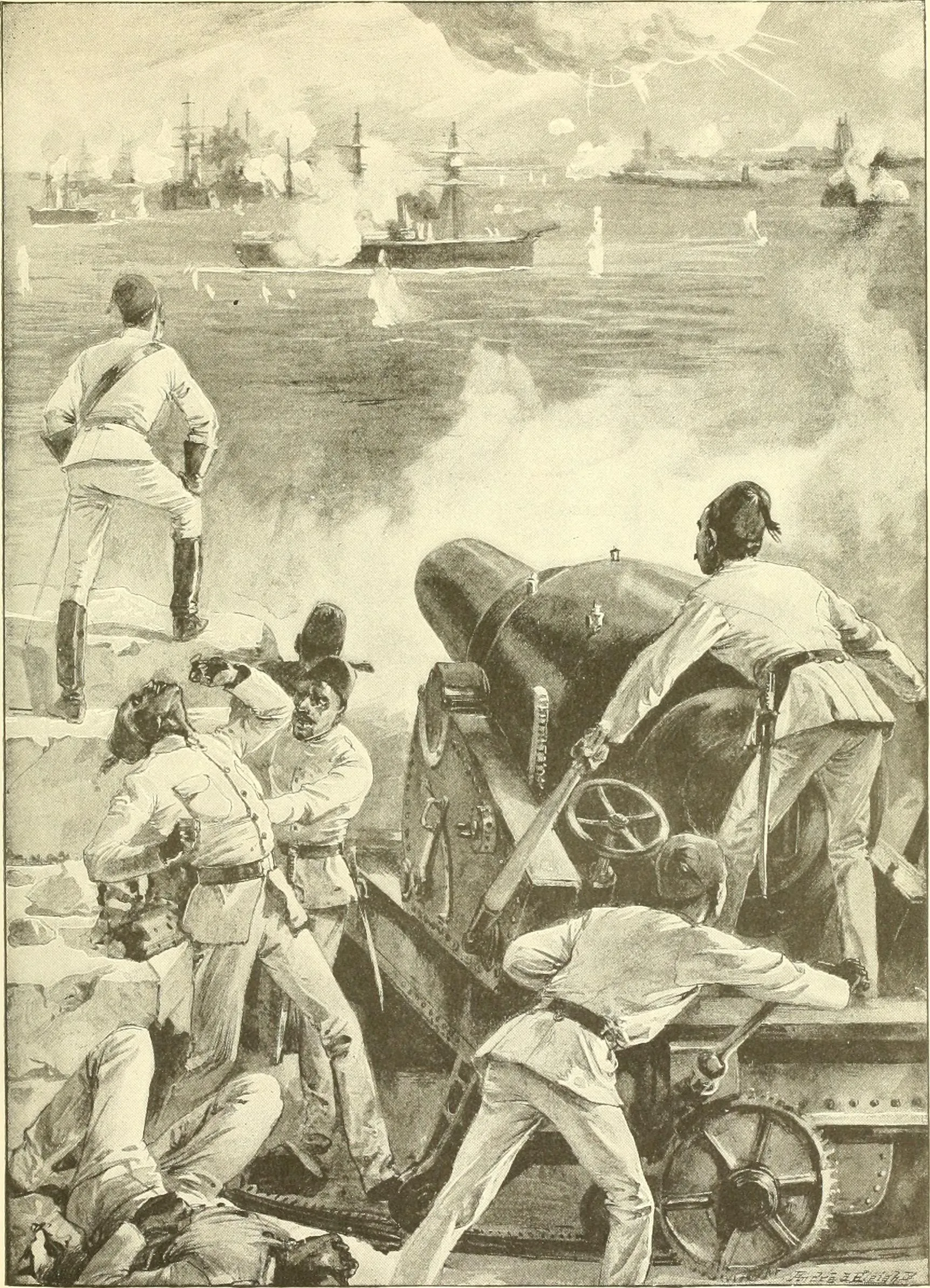
The Turn of Time: “Colonising Egypt” and the Social and Cultural Changes it Imposed
In 1882, Egypt fell to British military occupation, only to regain its independence in 1954. This 72 year occupation coronated a colonization process which predated the British invasion and was not put to an end by the withdrawal of British troops. In this course we explore t…
View course - 224
Voice of the Artist
Focusing on Egypt and the Arabic speaking world, this course intends to explore the production and reception of artworks within the context of modernity, nation-building and post-colonialism in the 20th and 21st centuries. Class discussions will be informed by in-class analysi…
View course - 225
Visual Anthropology: Film as a tool for research
Visual anthropology is a rather young discipline that offers creative methods that can cross the borders and limitations of traditional anthropology in order to question representations and to rethink our and other’s roles, values, norms, rituals, mythologies, and media practi…
View course - 226
Roles and Rituals: Performativity in Contemporary Arts and Society
This 10 week course investigates the ways in which humans perform (both voluntarily and involuntarily) in daily life, in legal settings, and cultural contexts. Through analysing contemporary art practices, performance studies theories, and political/legal scenarios, we will in…
View course - 227
Power and Space: Critical approaches to the built environment
Anthropologists and architects often use the term built environment to refer to the man-made habitats which we humans create and within which we conduct our daily lives such as streets and roads, dwellings, schools, hospitals, green spaces and common spaces. The term has grown…
View course - 228
My Body is my Body
In this course, we will use our bodies as a starting point for creative practice. We start off with the assumption that at some point in our lives, we have been exiled from our bodies — accidentally or by force. To bridge that assumed estrangement, we will begin to probe our r…
View course - 229
“The Weapon of Theory”: Critical Thought and Social Change
How does political and social theory respond to change? What can theory tell us about social change? Conversely, what can moments of upheaval, revolution, and political and social change tell us about the theories they were attached to? Is there an intellectual history for rev…
View course - 230
In Preparation of a movie
Inspired by Roland Barthes' The Preparation of the Novel, this course intends to explore the first movements someone needs to make in order to start a movie project. Through wanderings, notations, drawings, rehearsals, and proposals, each student will prepare a range of materi…
View course - 231
Growing food and wellbeing: gardening in the city
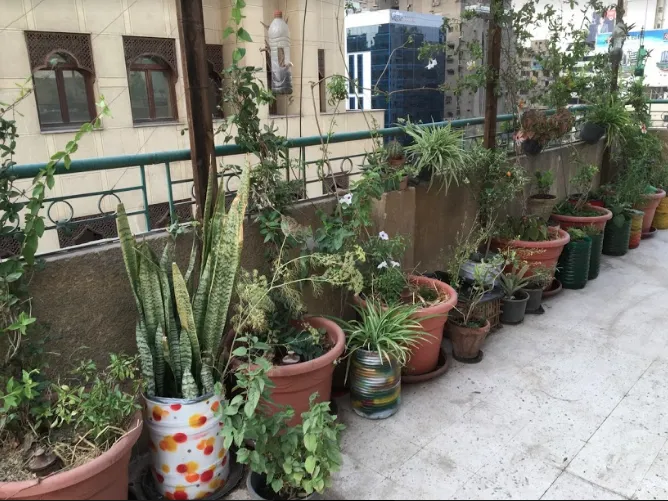
Increased awareness about healthy food and a desire to engage with nature, even within the city encourage more and more people to grow their own food. But how to start? This course will enable students to start their own vegetable garden on their balcony, rooftop or backyard.…
View course - 232
Classical Chinese Philosophies
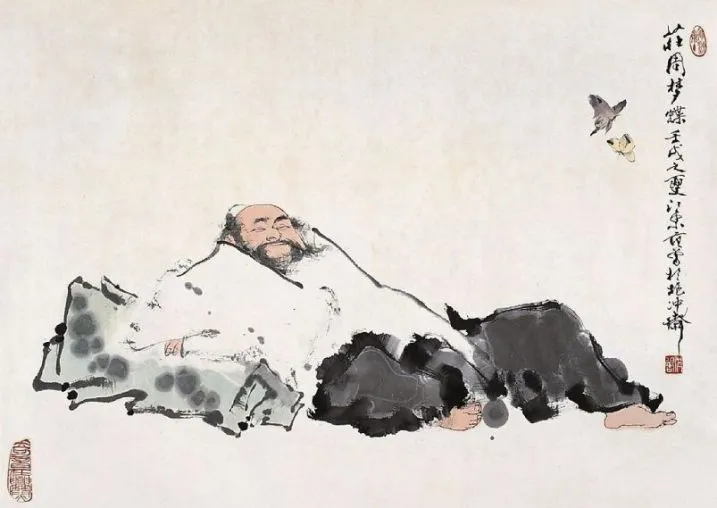
Chinese philosophy is said to have begun with the debate between the thinkers Kongzi (Confucius) and Mozi (Mencius) in the 6th century B.C.E. – a period when China consisted of numerous independent states. It was a time known as the “hundred schools” period (bai jia zhen ming)…
View course - 233
Can We Talk About Love?
Following two years of continued personal and less personal losses, I was confronted with the idea of how can we come to understand love in our global, counter-global, post-human, post-politics world, specifically the context of Egypt in the aftermath of successive waves of ne…
View course - 234
Archive Fever: Appropriation in Contemporary Art
The archive is not merely a repository of official records. It is an omnipresent linguistic and discursive system, a law of what can and cannot be said and a vast shapeless empire of images, sounds, documents and other material traces. Contemporary art has long been a sphere f…
View course - 235
Reading Michael D. Jackson in Darb El-Labanna
Reading the work of Michael D. Jackson at CILAS, – an alternative space which supposedly challenge hegemonic practices- is an invitation to think critically and alternatively to what it means to give primacy to the immediacy to our lived experiences. Furthermore, it is space w…
View course - 236
Skills Lab: monoculture broke my heart
The skills lab is typically a place for experimentation and testing. It is designed to run in parallel to the core curriculum, to interact with ideas about and studies of art, culture, humanities, and political ecology. The word skills is used in reference to the method of wo…
View course - 237
On Political Ideologies and Artistic Practices
If any saying was to be true about the 20th century, it would be that it was a century of ideologies and great narratives, and it might be said now that the 21st century is about the death of ideologies and the end of great narratives. Although we can find that ideologies did…
View course - 238
Modern Science - Its Promises and Limitations
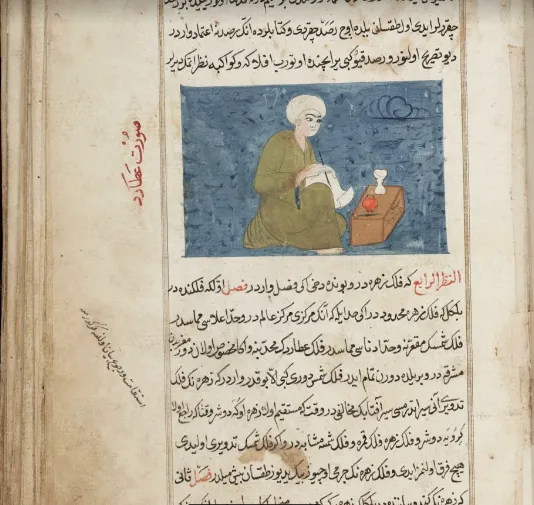
The core course in the Sciences takes a close a look at the promises and limitations of modern science. It does so by adopting historical, philosophical and sociological lenses on modern science. We will begin our journey by outlining the conventional accounts of Islamic Scien…
View course - 239
Visions of the Arab: Between Orientalism & Orientalism in Reverse
The Arab identity is elusive at best and disfigured at worst. what is an Arab? What constitutes his identity? It is Pan-Arabism? Islamism? The Arabic language itself? These are all questions Arab thinkers have asked and answers vary, ranging from the most religious to the comp…
View course - 240
To Stand With the Dreamers: On Utopia
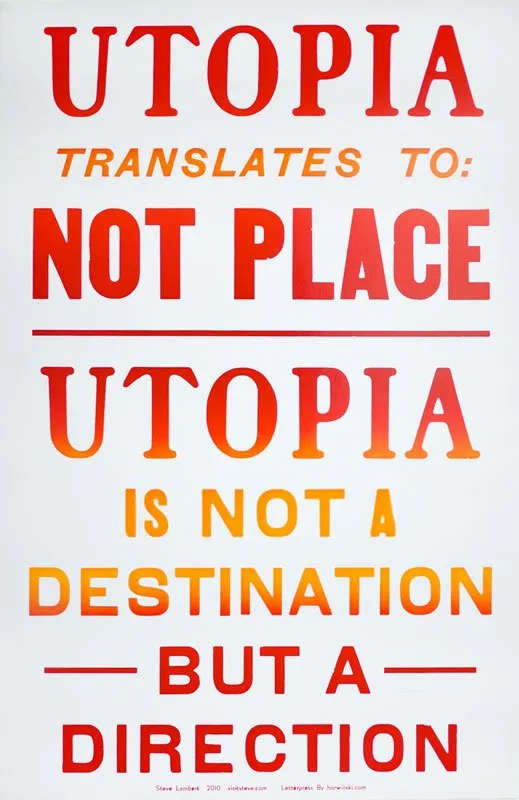
This course offers an overview to Utopia and Utopianism. The word Utopia was coined by Thomas Moore in his 1516 novel “Utopia”, to describe a “perfect” ideal city that the novel takes place, and etymologically It means the good place that is no place or the good place that doe…
View course