Winter 2018, CairoThematic Course
In Preparation of a movie
Course details
- Cycle
- Winter 2018, Cairo
- Length
- 10 sessions
- Taught in
- English
Share
Discuss it with AI
- Choose your preferred AI assistant.
- A new tab will open with a prompt prepared for this page.
- Press Send to begin exploring the page through dialogue, CILAS-style.
About the course
Inspired by Roland Barthes' The Preparation of the Novel, this course intends to explore the first movements someone needs to make in order to start a movie project. Through wanderings, notations, drawings, rehearsals, and proposals, each student will prepare a range of materials to support their ideas in order to start shooting. There is no need for any previous knowledge related to movie-making since it is an introductory course. Neither is our goal to apply a method. Our task is to create a space for work where each student will find the tools to develop their own method in the direction of making a movie. We will also analyze movies that are related to our question and filmmakers' processes.
Who teaches it
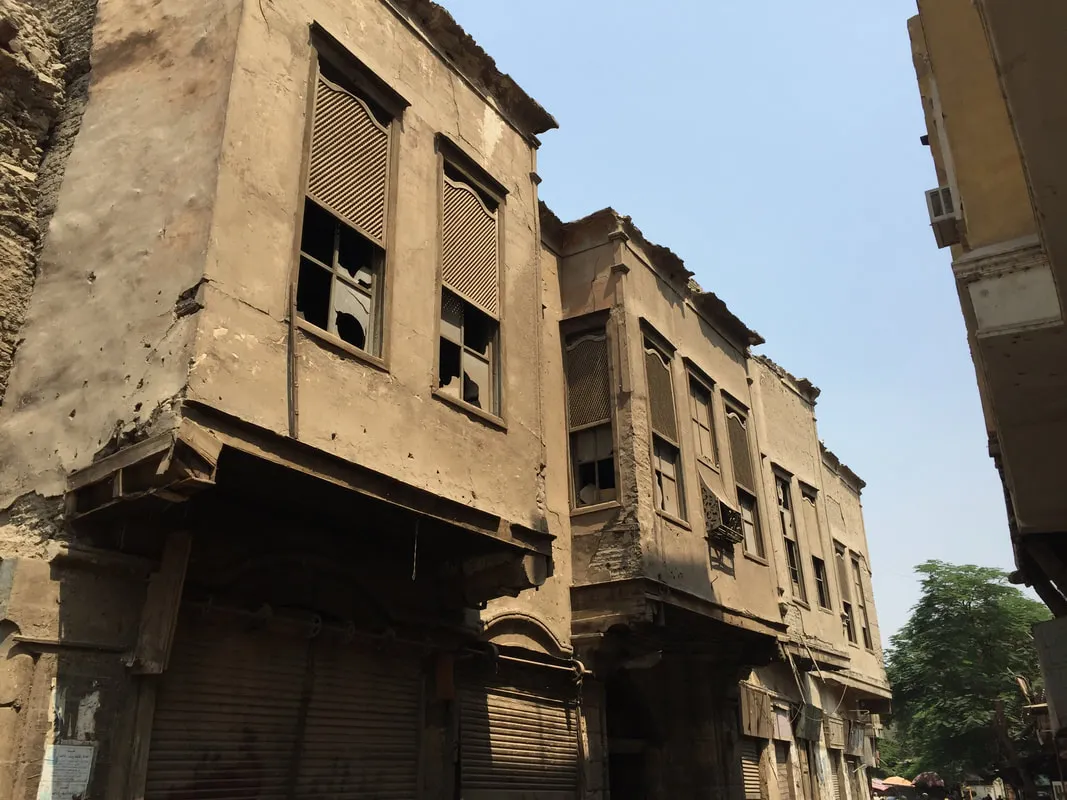
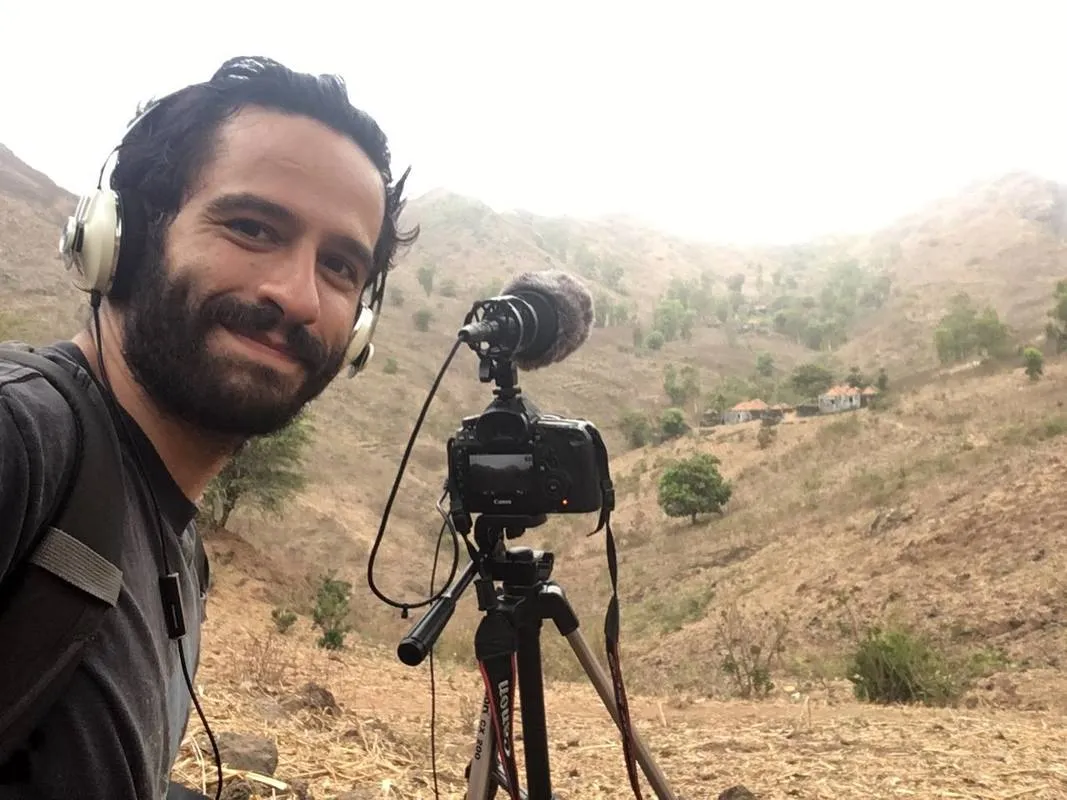
Rodrigo Gratacós Brum is a Brazilian philosopher and filmmaker. He holds a MFA in Film, Video, New Media and Animation at the School of The Art Institute of Chicago and a MA in Philosophy at the Federal University of Rio de Janeiro. He is a member of Observatório-Móvel (observatoriomovel.com), an artist collective based in Florianópolis, and a member of Khôra, a research group on contemporary philosophy based in Rio de Janeiro. In 2018, he will be living in Cairo working on a documentary about the architect Hassan Fathi.
Course flow
Sessions without a date
What are the differences between someone who loves cinema, as the member of an audience, and someone who decides to make a movie?
- Notes on the CinematographerBresson, Robert. 1975. Gallimard
- Be Kind RewindMichel Gondry, 2008 [excerpts]
- Cinema ParadisoGiusepe Tornatore, 1988 [excerpts]
In class
- ScreeningBe Kind Rewind (Michel Gondry, 2008) [excerpts]; Cinema Paradiso (Giusepe Tornatore, 1988) [excerpts]
For a moviemaker, walking around is a good way to find scenes, locations, dialogues and characters. But if walking is a great method to inspire, notation is an important resource to capture an idea. In Chekhov's Seagull, for example, Trigorin - the well-known writer - is always carrying a notebook. In the end of Act II, while talking with Nina, he sees the dead seagull and writes down an idea for a short story.
- The Preparation of the NovelBarthes, Roland. 2010. Columbia University Press [excerpts] pg: 90 - 93 and 245 - 257
- The Flaneur. In: The Arcades ProjectBenjamin, Walter
- Suite VénitienneCalle, Sophie. 2015. Siglio Press
- Lisbon StoryWim Wenders, 1994
In class
- ScreeningLisbon Story (Wim Wenders, 1994)
Eureka! The idea captures you. Once you have an idea, you feel authorized to start. There are many ways to start: a screenplay, research, rehearsals, an ambience. What matters is to find an efficient way to develop the idea, giving it a body.
- PoeticsAristotle
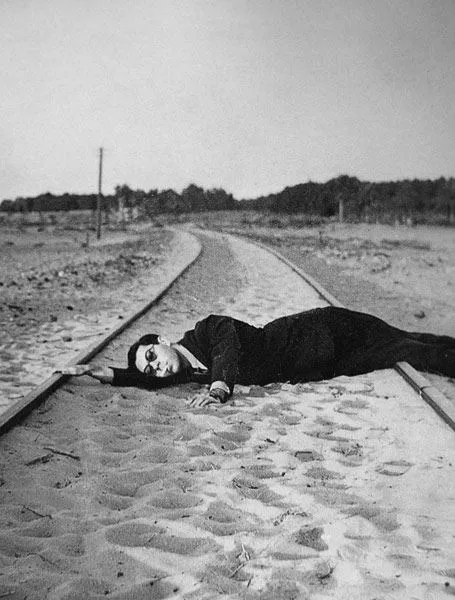
- Who's Camus AnywayMitsuo Yangimachi, 2005
In class
- ScreeningWho's Camus Anyway (Mitsuo Yangimachi, 2005)
There are many ways to develop an imaginary for a movie. We will analyse different strategies, such as the drawings made by Kurosawa before the start of shooting or the graphics that Alain Resnais developed for Last Year at Marienbad. We will also do some exercises to create the first images for our movies, discussing the process in class.
- Something Like an AutobiographyKurosawa, Akira. 1981. Berkeley University Press.
In class
- ExerciseWe will also do some exercises to create the first images for our movies, discussing the process in class.
The project is the plan or the strategy to accomplish the idea for the movie. It is a document that should answer as many questions as possible about how to execute the idea. If written, it also can be a relevant material to apply for grants or to find collaborators.
How to write a project? Each student will write a project for their movies, inspired by the examples that will be shown in class.
In class
- ExerciseEach student will write a project for their movies, inspired by the examples that will be shown in class.
You don't have the equipment. You don't have money. You don't have a crew. You don't have a screenplay. You don't know how to start. You are not sure about your idea.
The crisis is a well known component in the process of making a movie. We will discuss different scenarios of crisis, how to overcome or accept it, as well as investigate cinemas that are created from it or are structured by a permanent state of crisis.
- 8½Federico Fellini, 1963
In class
- Screening8½ (Federico Fellini, 1963)
Wong Kar Wai says that first of all he finds the locations. Hong Sang Soo likes to get drunk with his actors before casting them for a movie. Auditions to find actors. Walkings to find locations. Between the actor and the character, between the location and the scenario: the alchemy between the fiction and the real conditions.
- Opening NightJohn Cassavetes, 1977 [excerpts]
In class
- ScreeningOpening Night (John Cassavetes, 1977) [excerpts]
Lev Kuleshov and the ideal space to rehearse a movie. Reharsing with the crew. Rehearsing with actors. Digital era: rehearsing and shooting at the same time.
- The Rehearsal Method. In: Kuleshov on FilmKuleshov, Lev. 1974. University of California Press.
- Salaam CinemaMohsen Makhmalbaf, 1995
In class
- ScreeningSalaam Cinema (Mohsen Makhmalbaf, 1995)
Cinema is a collective effort. We will discuss how to deal with a group of people, taking in consideration the structured roles that each one needs to perform in order to shoot a movie, and also the politics of friendship that needs to be established for a smooth shooting routine.
- Rebel without a CrewRodriguez, Robert. University Press of Mississipi.
- The MonstersPedro Diógenes, Guto Parente, Luiz Pretti and Ricardo Pretti, 2011
In class
- ScreeningThe Monsters (Pedro Diógenes, Guto Parente, Luiz Pretti and Ricardo Pretti, 2011)
Godard often worked composing the day's script in a car on the way to the set, borrowing lines from a newspaper, the radio, or a book at hand, and even whispering lines into the earpieces of his actors. This "open method" is also true for filmmakers like Apichatpong Weerasethakul, who keeps the process open until the last minute before shooting. Others, like Francis Ford Coppola, prefer to have everything planned (even the smallest details). Each student will present for the class their plans for a first day of shooting.
- La nuit américaineFrançois Truffaut, 1973
In class
- PresentationEach student will present for the class their plans for a first day of shooting.
- ScreeningLa nuit américaine (François Truffaut, 1973)
Course reading list
- Kazan on DirectingKazan, Elia. 2009. Penguin Random House. Required reading.
- Making MoviesLumet, Sidney. 1995. Alfred Knopf. Required reading.
- On Directing FilmMamet, David. 1991. Viking Press. Required reading.
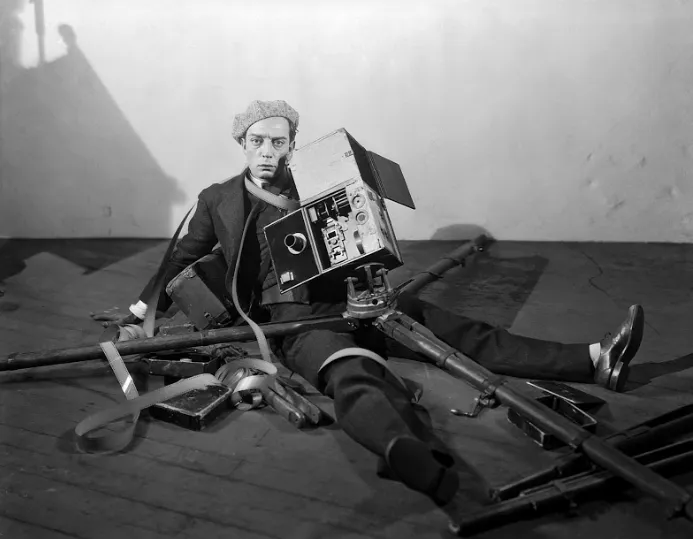
- The CameramenBuster Keaton, 1928. Not required for class, but related to our course.
- AmatorKrzystof Kieslowski, 1983. Not required for class, but related to our course.
- PassionJean-Luc Godard, 1982. Not required for class, but related to our course.
- Purple Rose of CairoWoody Allen, 1985. Not required for class, but related to our course.
- La RicottaPier Paolo Pasolini, 1963. Not required for class, but related to our course.
- Sunset BoulevardBilly Wilder, 1950. Not required for class, but related to our course.
- Barton FinkJoel Coen, 1991. Not required for class, but related to our course.
- Caro DiarioNanni Moretti, 1993. Not required for class, but related to our course.
- Eisenstein in GuanajuatoPeter Greenaway, 2015. Not required for class, but related to our course.
- FitzcarraldoWerner Herzog, 1982. Not required for class, but related to our course.
Get the CILAS newsletter
New courses, open calls and articles from CILAS, in your inbox.



18 October 2026
Join CILAS's Spring semester of 2026
- Spring 2026, Cairo