Spring 2018, CairoThematic Course
The Turn of Time: “Colonising Egypt” and the Social and Cultural Changes it Imposed
Course details
- Cycle
- Spring 2018, Cairo
- Taught in
- Knowledge of Arabic is pre-required
Share
Discuss it with AI
- Choose your preferred AI assistant.
- A new tab will open with a prompt prepared for this page.
- Press Send to begin exploring the page through dialogue, CILAS-style.
About the course
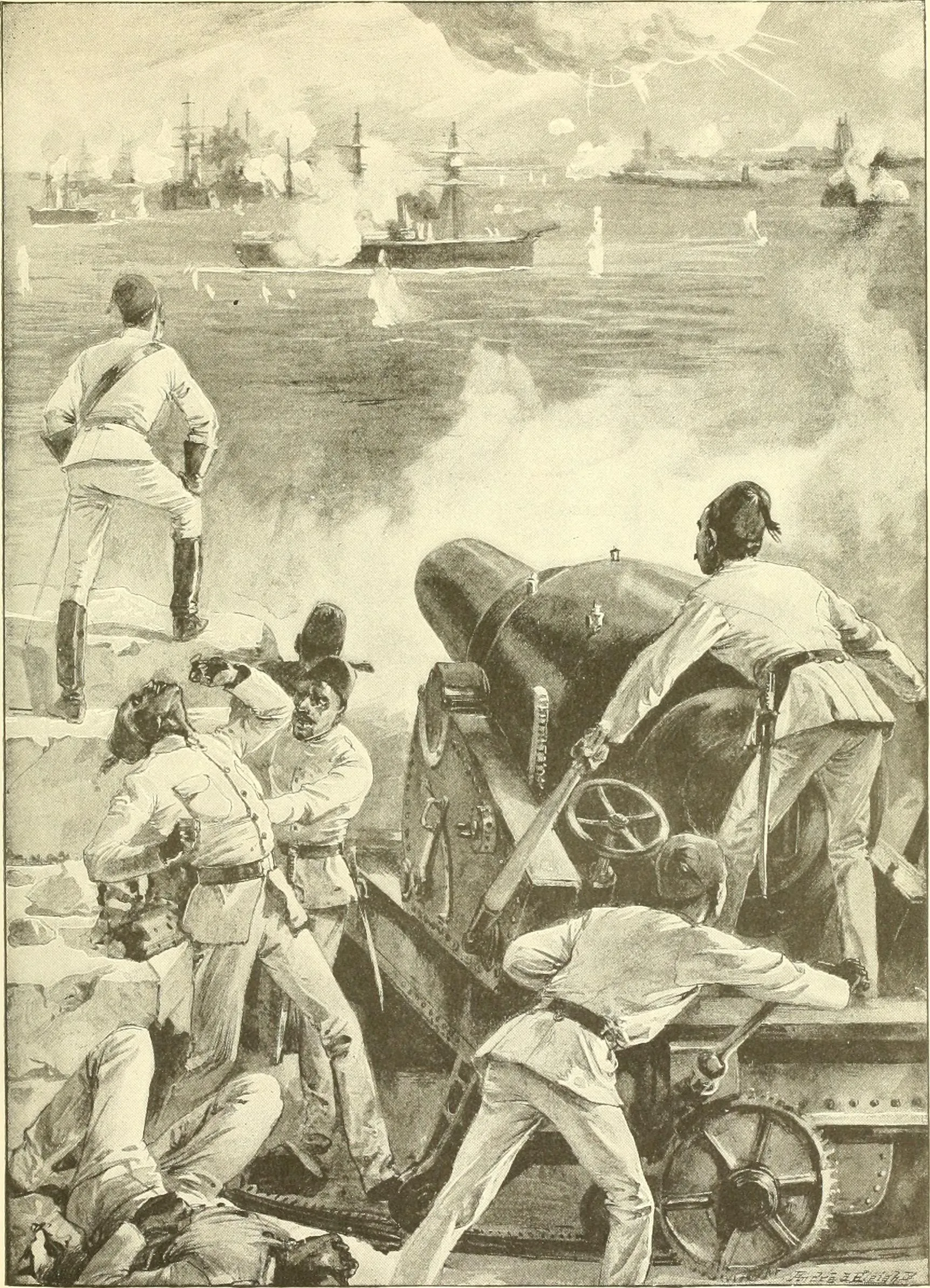
In 1882, Egypt fell to British military occupation, only to regain its independence in 1954. This 72 year occupation coronated a colonization process which predated the British invasion and was not put to an end by the withdrawal of British troops.
In this course we explore the social and cultural colonial changes that accompanied, predated, and outlasted the British occupation. This exploration will proceed through works of literature, newspaper clippings, and academic texts. Our discussion will start with and focus on Muhammad al-Muwaylihi’s brilliant narrative text Hadith ‘Isa ibn Hisham, written at the onset of the British occupation, tracing the changes that accompanied it, and sometimes credited for being the first Arabic novel. This course will use Hadith ‘Isa ibn Hisham as an opportunity to revisit cultural and social histories through a close reading of an exceptional work of literature.
Throughout the course we will be reading al-Muwaylihi’s text alongside a number of academic texts tracing the colonial changes Egypt went through; most notably Timothy Mitchell’s Colonising Egypt which was in many ways inspired by Hadith ‘Isa ibn Hisham. As al-Muwaylihi’s text will provide the backbone of our conversation, the course is designed so as to let the discussion take us to other texts and other themes that are related to the colonial transformations Egypt witnessed. The course is tentatively designed to proceed along 5 axes: colonial temporality, the colonization of space, the colonization of language, the colonial gaze, and the colonization of marriage and the family.
As we will be visiting many Arabic-language works in the original, knowledge of Arabic is pre-required for attending this course. In addition, some of the academic texts we are reading are only available in English and we expect the class discussion to proceed in both Arabic and English.
Who teaches it
Ahmed Diaa is a PhD candidate in Middle Eastern Studies at Columbia University. He holds a Master’s degree in Middle Eastern Studies from Columbia University, and a Master’s degree in Political Theory from the American University of Beirut. He is interested in questions of state and subjectivity in the context of colonial modernity, in an attempt to understand our current political and social condition. Ahmed is also interested in literature and arts, and especially in theatre. He is also keen on stressing that he is the person on the right hand side of the picture, though he is sure the person on the left has a unique perspective on humanities.
Get the CILAS newsletter
New courses, open calls and articles from CILAS, in your inbox.



18 October 2026
Join CILAS's Spring semester of 2026
- Spring 2026, Cairo