Courses
310 courses since 2014
What we cover at CILAS matters less than what a student discovers.
25 courses
- 01
Approaching Performativity and Culture in Modern Egypt
This course considers how culture is constituted as an object of analysis. By working to connect cultural commodities, artifacts, artisanal crafts, and other literal objects, with literary and historical representations of and by twentieth century Egyptian cultural icons, (Tah…
View course - 02
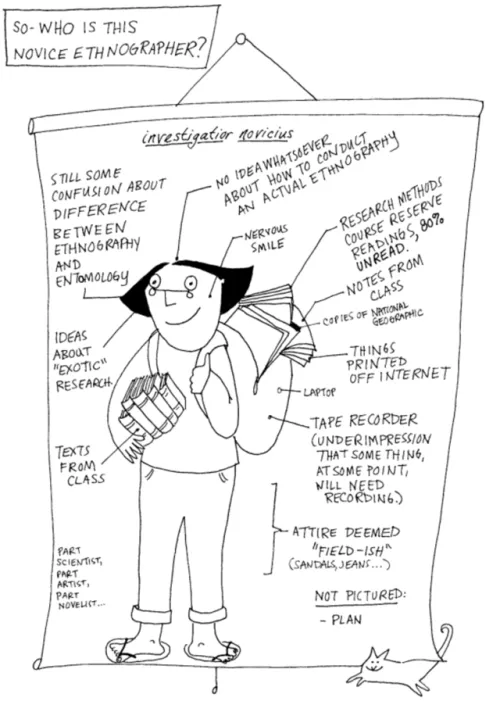
Making the Strange Familiar & the Familiar Strange
Investigating the Social behind Spirituality and the Unseen through Anthropological Fieldwork
View course - 03
On Stupidity: The Trouble with Systematic Thinking
Flaubert said “Stupidity lies in wanting to draw a conclusion.” By this he meant any attempt to reach a conclusion stops the act of thinking when there remains something to be thought. Qualifying something as systematic also points to providing a framework that can explain pro…
View course - 04
The Space Lab: Navigating the Larger African Urban World
What kind of urban lives are in Africa? The question, on the face of it, is a poignant one. The common assumptions prevail that Africa is a rural continent. African cities exemplify a truncated modernization. This Space Lab engages debates in urban studies with a focus on Afri…
View course - 05
مختبر الترجمة الثامن: ترجمة العلوم الاجتماعية والفلسفة
يمثل هذا المختبر مساحة للتجريب في نقل المعرفة المنتجة أكاديميًا الصادرة بلغات أجنبية في مجالي الفلسفة والعلوم الاجتماعية. ثمة صعوبات وتحديات كثيرة تحيط بترجمة النصوص النظرية النقدية إلى اللغة العربية، ومن ثم تدعو ورشة ترجمة الفلسفة والعلوم الاجتماعية المهتمين بالترجمة النظرية…
View course - 06
اللغة والحِجاج القانوني في مشاهد المحاكمات في السينما المصرية - نظرة على السخرية
إذا كان المفترض بالقانون أن يكون تعبيرًا عن اتفاق اجتماعي، فكيف تكون ممارسته اللغوية مغلقةً إلى درجة أن تصير حِكرًا على أهلها؟ وإذا كان القانون في النهاية حقلًا لغويًا خاصًا، فما مكان لغته من الممارسة اللغوية العامة؟ أليست المحاكمة هنا بما فيها من حجاج بين المجتمع والقانون هي…
View course - 07
Power, Public Feelings, and Popular Culture
Is Marwan Pablo’s Denamet a treatise on alienation? Can we read Mohamad Samy’s notorious Ramadan series Nasl il Aghrab as a critical commentary on the befuddled nature of contemporary power? This course is an invitation to engage with the social worlds we inhabit through the…
View course - 08
Muddying Waters: Race, Class and Gender
This seminar examines the topical feminism on-the-ground within an intersectional framework of race, class and gender. It unpacks “women’s question” in a fluid time and space. Through tracing the complexities in representation, culture, economic subjugation and colonial power…
View course - 09
In Love with Music? Journey in the world of Music
This course offers a musical analytical journey around some parts of the world. As we travel sonically from one place to another, we will try to culturally, politically, and spiritually contextualize the music, beats and instruments. We will do a lot of in-class music analysis…
View course - 10
Contesting the visual/visible: the image as critical and creative method
A growing number of contemporary theorists and artists ask us to question our understanding of art history and the material conditions of image-making by rejecting the singular narrative presented to us through western modernity. As an exploratory course that bridges critical…
View course - 11
Reading Feminism/Writing To Live
Reading Feminism/Writing To Live explores the power of language, rhythm and imagination. It is both a Creative Writing lab and a close-reading course. We indulge in the words of novelists and poets, to conjure up energy and courage for our own writing endeavours. What do stori…
View course - 12
- 13
The Social Under our skin. Who Else is in our Body?
This course put forth the body as a methodology to understand critical and complex social realities. Looking at the body and embodiment, this course aims to anthropologically understand what is under our skin? By asking this question we sophisticate our relationship with “our”…
View course - 14
Intimate Archives: On Feminist Movements & Emotions
This is a poetic investigation, and the subject is ourselves. Archives, when combined with movements, become a documentation of those who rebelled; when combined with intimacy, they lose their coldness and distance. In Intimate Archives: On Feminist Movements and Emotions, we…
View course - 15
Feminist Phenomenology: The Body and the World
The body is the most familiar and natural thing we perceive. It is through the body that we first become aware of our surroundings. We experience the world around uswithand throughour bodies, and as we exist in the world, we soon realize that our body is not just for us to per…
View course - 16
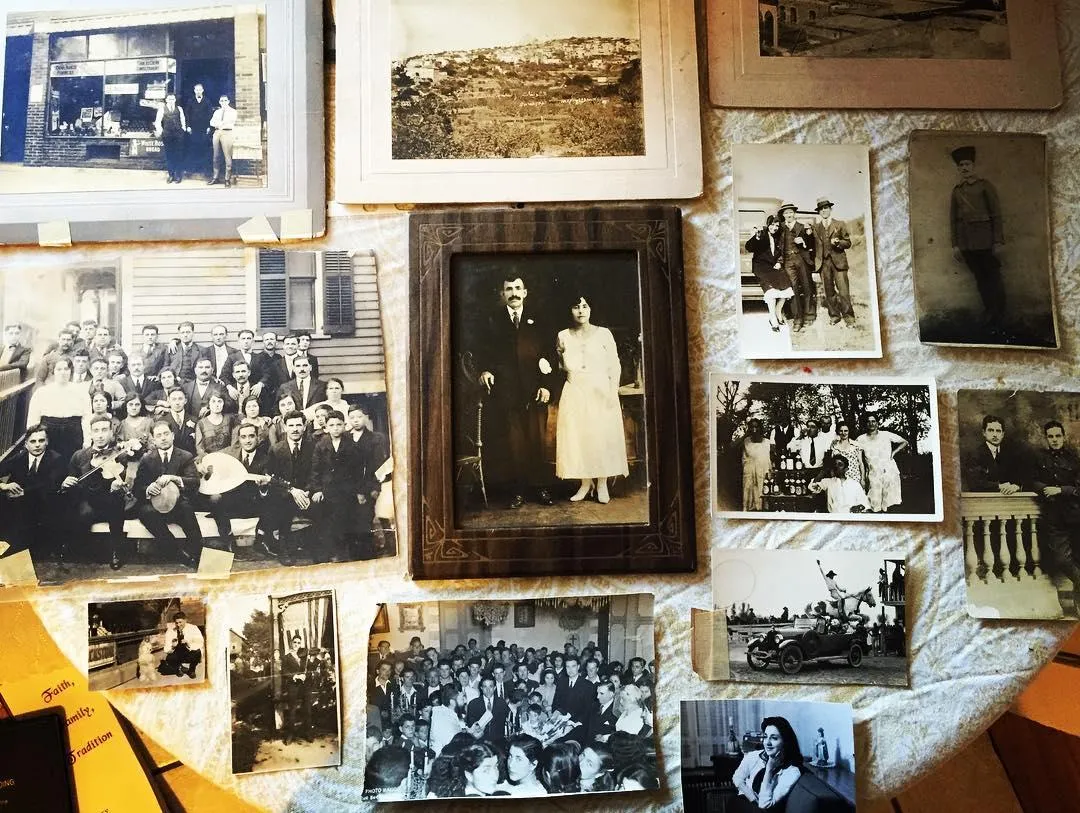
Archives of Memory and Forgetting in the Middle East
Milan Kundera tells us in his Book of Laughter and Forgetting that “The struggle of man against power is the struggle of memory against forgetting.” This observation– that how and why we collectively remember is intimately connected to struggle and power– is the guiding theme…
View course - 17
Anthropology of Religion: History of Religion and Rituals
Anthropology is the study of people, cultures, and the human condition. This course introduces the concepts of religion and spirituality with an anthropological, historical, social, and cultural lens that focuses on rituals and healing. Our question does not focus on the synop…
View course - 18
How do we talk about Death?
Nothing can be more unsettling than pondering one’s mortality. Death is ubiquitous, and yet never really spoken about. It remains a powerful taboo. And although we are definitely better off than our ancestors were, two hundred years ago, death can still find ways to rattle us…
View course - 19
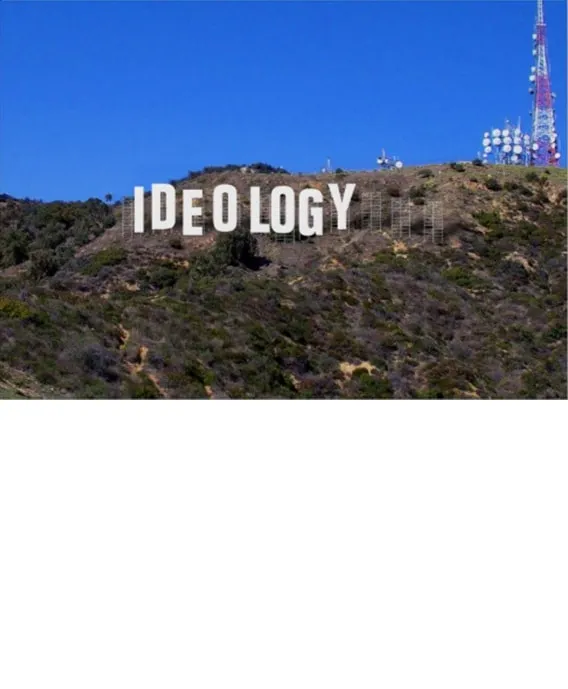
Why do we obey?: Ideology in Daily Life
How does authority re-produce itself in our everyday lives? What is ideology? How does ideology shape our attitudes, perceptions, and every day interactions? What can the works of Louis Althusser, Slavoj Zizek, Jacques Lacan, and other theorists of ideology tell us about ourse…
View course - 20
Towards a History of Islamicate Print
Revolution and Continuity between Colonialism, Religion, and Gender
View course