Courses
310 courses since 2014
What we cover at CILAS matters less than what a student discovers.
165 courses
- 81
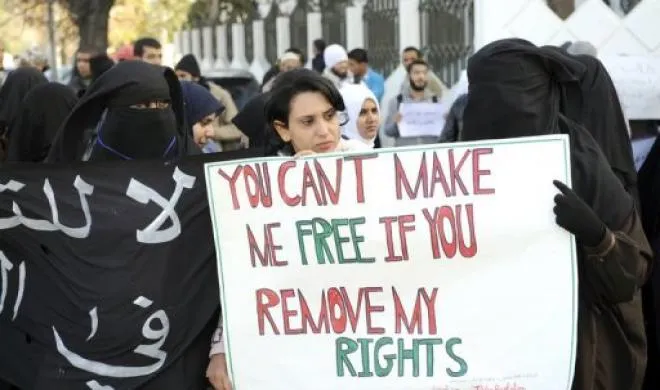
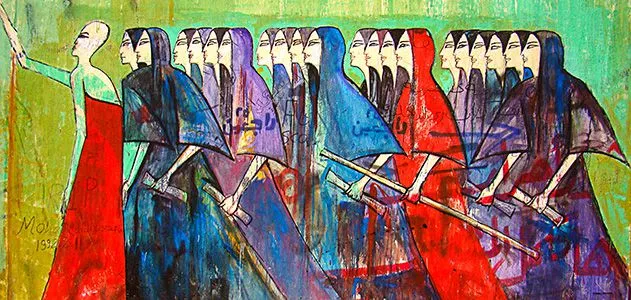
Portray: Women and Representation in the Middle East
In this course, we will examine the wide range of literature and media “representing” women in the Middle East and Muslim majority countries with a focus on the Arab world. We will be looking at both Western and Arab scholarship portraying “the Muslim/Arab/Middle Eastern woman…
View course - 82
- 83
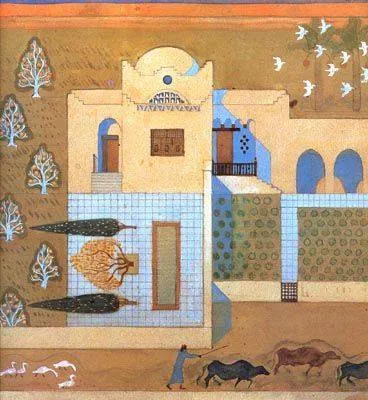
Pedagogy and Sustainable Architecture
A pedagogical approach to sustainable architecture: historicizing and documenting the case of New Gourna
View course - 84
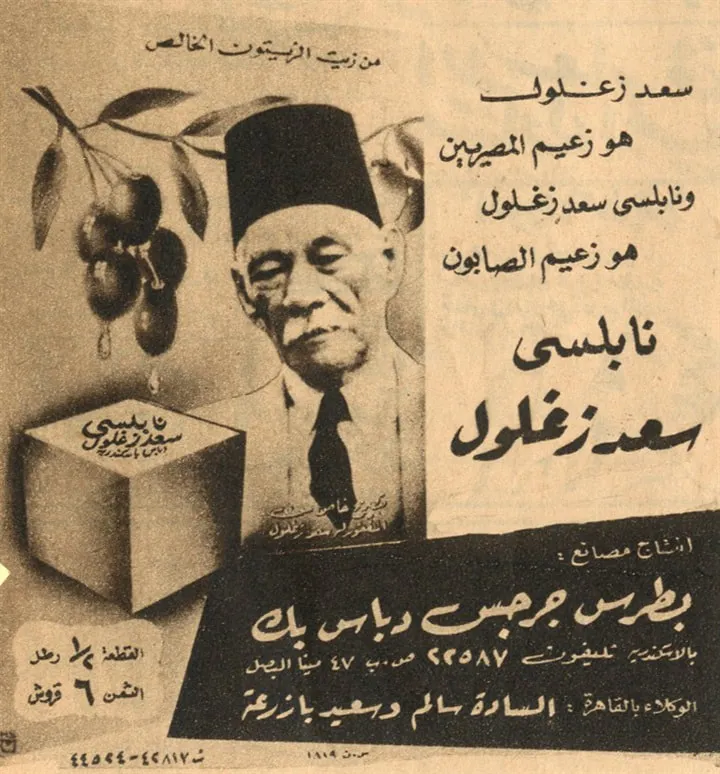
Mafish Faiydah? A Case Study on Myth and Silenced Voices
**Rationale:** Amid the independence negotiations with the British authorities, Sa'ad Zaghloul, the much praised nationalist leader of 1919 'revolution' said "mafish fayda"- no point- in reference to the complexity of the negotiation process. The story is true...at least acco…
View course - 85
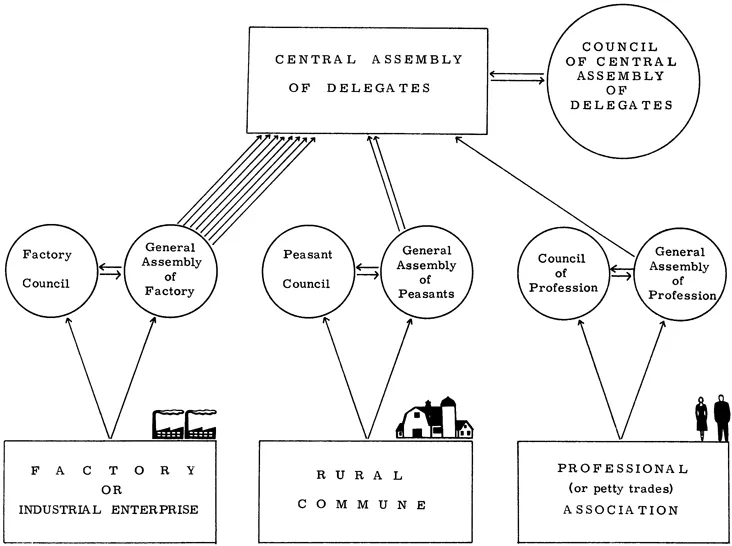
Libertarian Economics and Alternative Model-Building
When one challenges the conventional wisdom —that the current economic and political system is the only possible one—the first reaction you are likely to get is a demand for a detailed blueprint of how an alternative system would work. Historically, this is ridiculous. When ha…
View course - 86
Identity, Culture and Resistance
How does culture shape, reinforce and challenge individual and collective identities? How do power and hegemony operate within and through culture? What roles do culture and creative spaces play in maintaining, and more importantly, challenging hegemonic identities and politic…
View course - 87
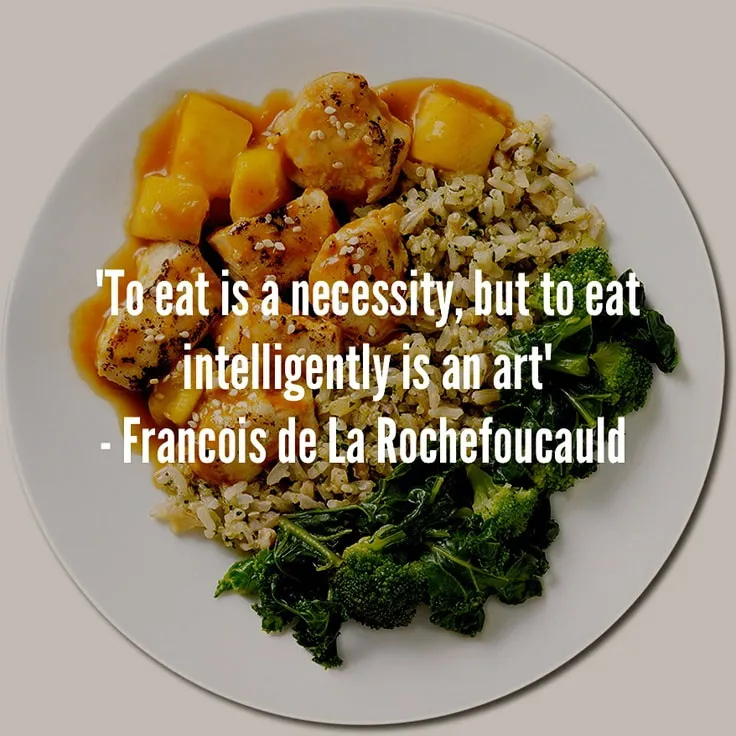
The food dilemma - navigating the diet jungle
Eating has become a complex matter that is full of choices. Each choice has consequences that goes beyond our plate and each diet is a statement. In this course we will examine the implications (ethical, environmental, health, economic, social and political) and promises of di…
View course - 88
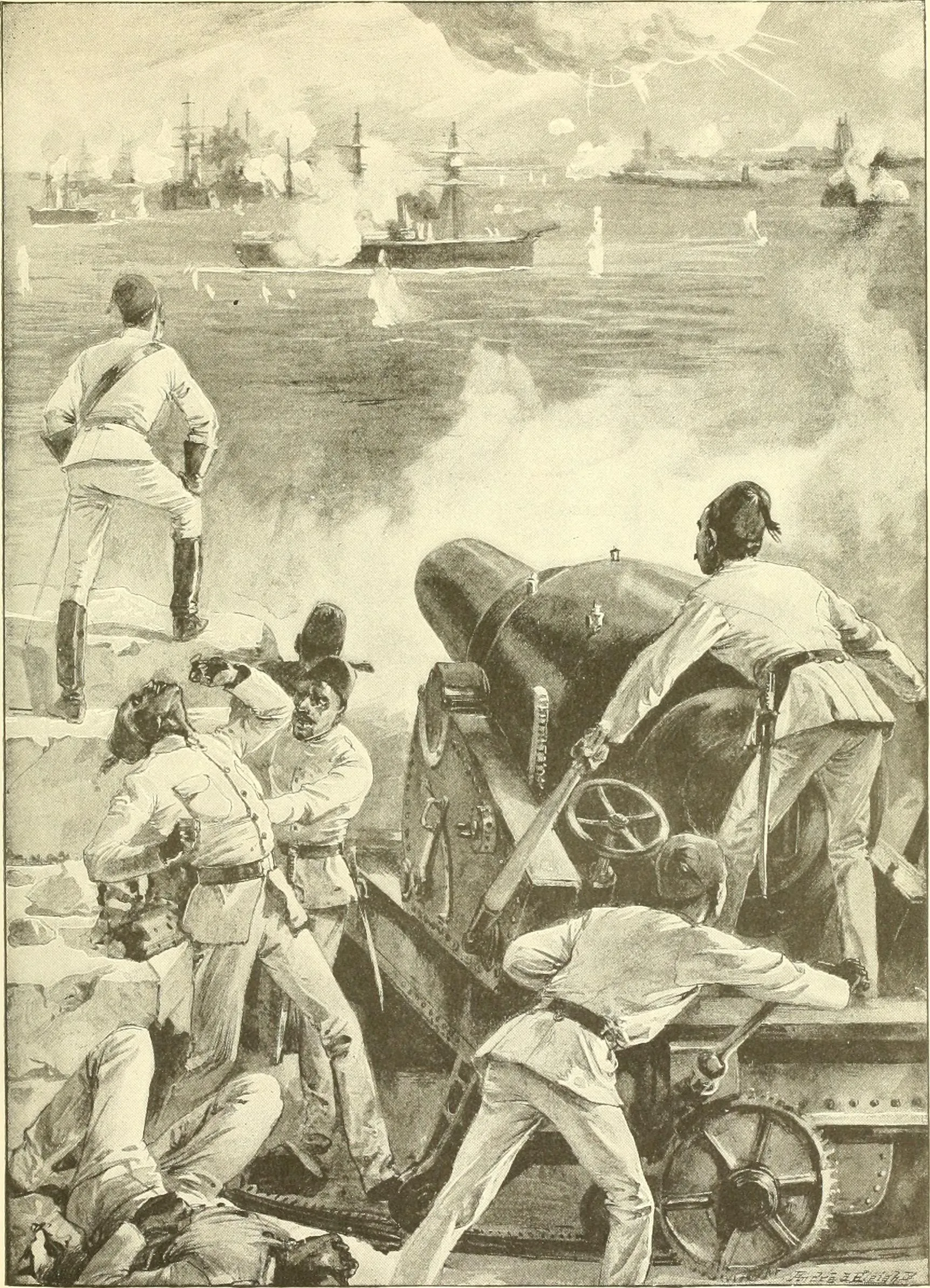
The Turn of Time: “Colonising Egypt” and the Social and Cultural Changes it Imposed
In 1882, Egypt fell to British military occupation, only to regain its independence in 1954. This 72 year occupation coronated a colonization process which predated the British invasion and was not put to an end by the withdrawal of British troops. In this course we explore t…
View course - 89
Voice of the Artist
Focusing on Egypt and the Arabic speaking world, this course intends to explore the production and reception of artworks within the context of modernity, nation-building and post-colonialism in the 20th and 21st centuries. Class discussions will be informed by in-class analysi…
View course - 90
Visual Anthropology: Film as a tool for research
Visual anthropology is a rather young discipline that offers creative methods that can cross the borders and limitations of traditional anthropology in order to question representations and to rethink our and other’s roles, values, norms, rituals, mythologies, and media practi…
View course - 91
Roles and Rituals: Performativity in Contemporary Arts and Society
This 10 week course investigates the ways in which humans perform (both voluntarily and involuntarily) in daily life, in legal settings, and cultural contexts. Through analysing contemporary art practices, performance studies theories, and political/legal scenarios, we will in…
View course - 92
Power and Space: Critical approaches to the built environment
Anthropologists and architects often use the term built environment to refer to the man-made habitats which we humans create and within which we conduct our daily lives such as streets and roads, dwellings, schools, hospitals, green spaces and common spaces. The term has grown…
View course - 93
My Body is my Body
In this course, we will use our bodies as a starting point for creative practice. We start off with the assumption that at some point in our lives, we have been exiled from our bodies — accidentally or by force. To bridge that assumed estrangement, we will begin to probe our r…
View course - 94
“The Weapon of Theory”: Critical Thought and Social Change
How does political and social theory respond to change? What can theory tell us about social change? Conversely, what can moments of upheaval, revolution, and political and social change tell us about the theories they were attached to? Is there an intellectual history for rev…
View course - 95
In Preparation of a movie
Inspired by Roland Barthes' The Preparation of the Novel, this course intends to explore the first movements someone needs to make in order to start a movie project. Through wanderings, notations, drawings, rehearsals, and proposals, each student will prepare a range of materi…
View course - 96
Classical Chinese Philosophies
Chinese philosophy is said to have begun with the debate between the thinkers Kongzi (Confucius) and Mozi (Mencius) in the 6th century B.C.E. – a period when China consisted of numerous independent states. It was a time known as the “hundred schools” period (bai jia zhen ming)…
View course - 97
Can We Talk About Love?
Following two years of continued personal and less personal losses, I was confronted with the idea of how can we come to understand love in our global, counter-global, post-human, post-politics world, specifically the context of Egypt in the aftermath of successive waves of ne…
View course - 98
Archive Fever: Appropriation in Contemporary Art
The archive is not merely a repository of official records. It is an omnipresent linguistic and discursive system, a law of what can and cannot be said and a vast shapeless empire of images, sounds, documents and other material traces. Contemporary art has long been a sphere f…
View course - 99
Reading Michael D. Jackson in Darb El-Labanna
Reading the work of Michael D. Jackson at CILAS, – an alternative space which supposedly challenge hegemonic practices- is an invitation to think critically and alternatively to what it means to give primacy to the immediacy to our lived experiences. Furthermore, it is space w…
View course - 100
Visions of the Arab: Between Orientalism & Orientalism in Reverse
The Arab identity is elusive at best and disfigured at worst. what is an Arab? What constitutes his identity? It is Pan-Arabism? Islamism? The Arabic language itself? These are all questions Arab thinkers have asked and answers vary, ranging from the most religious to the comp…
View course