Courses
310 courses since 2014
What we cover at CILAS matters less than what a student discovers.
86 courses
- 61
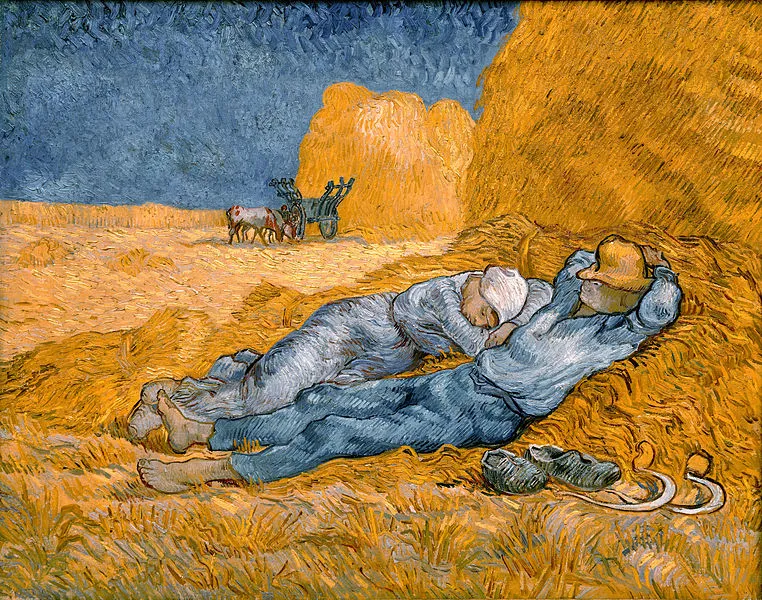
حياة واحدة لا تكفي: حول النوم والأحلام وزرع الأفكار
هذا مساق عن حقيقة نوم الإنسان، وكيف يحدث ذلك؟ وكيف نحلم؟ متتبعا الأحلام وتأثيرها في التاريخ، والجهود العلمية لفهم الأحلام وتفسيرها، وهل يمكننا أن نتحكم في أفكار العقل الباطن وإعادة توجيهها أو زرع أفكار جديدة، معتمدا على عدة مراجع متنوعة من الدراسات والكتب وأفلام السينما والإبد…
View course - 62
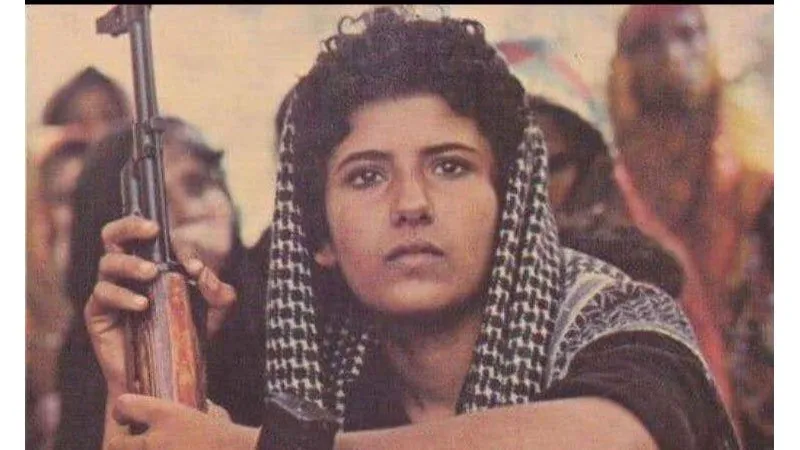
Sacred Landscapes, Violence, and Resistance – Examples from Kurdistan
Systems of symbols have widely been used to mark landscapes and lay claim on them. Such land-claims can be turned into an effective tool for governance by nation states or be used by political groups pursuing other aims. The course will inquire how religiously derived land cla…
View course - 63
View My Desire: Psychoanalysis and Film
This course will examine psychoanalysis from two perspectives: first, as a theory of subjectivity, and second, as a method of reading text. We will begin with an introduction to Lacanian psychoanalytic concepts in order to establish a mutual understanding of the Lacanian split…
View course - 64
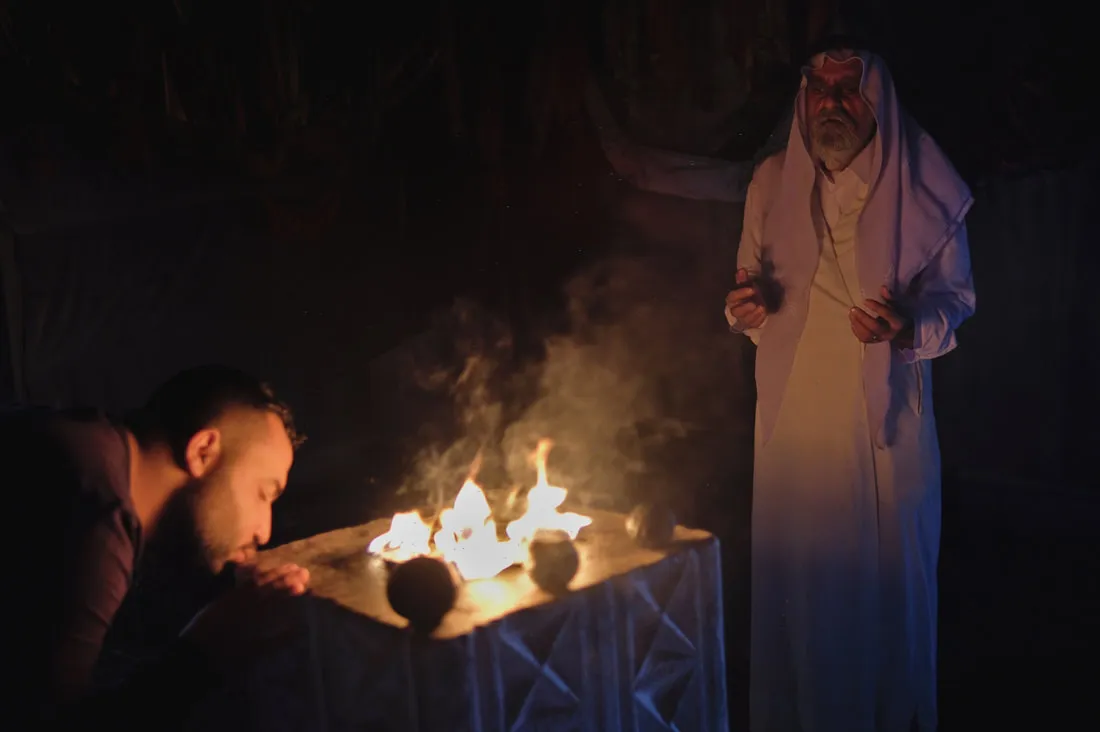
Healing, Rituals, and Spirituality – An introduction to the Anthropology of Religion
Anthropology is the study of people, cultures, and the human condition. This course introduces the concepts of religion and spirituality with an anthropological, social, and cultural lens that focuses on rituals and healing. Our question does not focus on the synopsis of diffe…
View course - 65
Soy pan, soy paz, soy más - انا خبز، انا سلام، انا ما بعد
“I had to come all the way to Mexico to rediscover Palestine,” writes literary scholar Amal Eqeiq about her visit to the Mayan village of Chamula. The visible and invisible borders that separated ethnic populations, and the uneven infrastructure and resources on each side, cre…
View course - 66
- 67
- 68
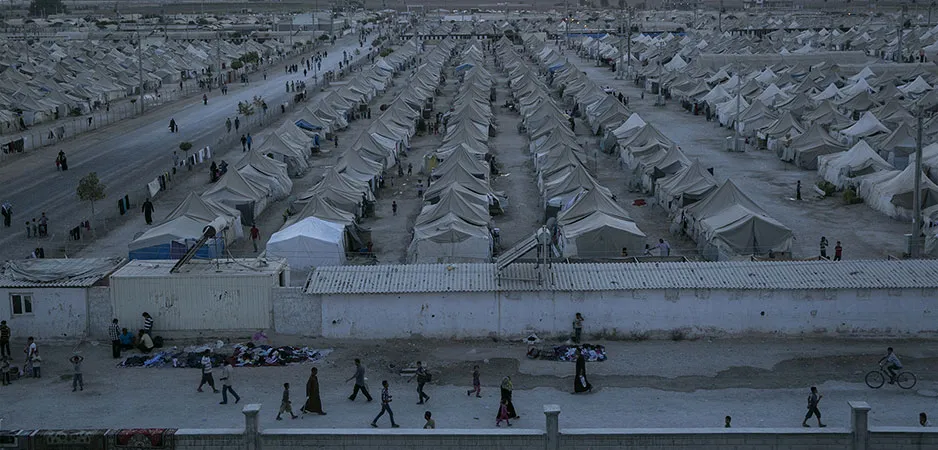
Human Flow: Migration and Refugee Encampment (at CILAS)
Migrations do not just happen - they are produced. Capitalist modernity requires massive displacement that seamlessly supports the free flow of labor in the context of globalization. Mobile subjects are being categorized, sorted and governed in and through the international le…
View course - 69
Anthropology of the Future (online)
Why should we – in the present – study and engage with the future? And if we do study it, how should we go about it? These are the foundational questions of this course. Broadly, anthropologists study the future in three main modes: future as temporalities, future as possibili…
View course - 70
For Lack Of A Better Word? Interrogating the Literal
It’s often argued (in the university, politics, public life, and elsewhere) that clarity and precision in language are necessary for effective communication. Recent trends in linguistics, however, suggest that metaphor is a natural outgrowth of the way human cognition is organ…
View course - 71
On Time and Temporality
The global pandemic has occasioned an impulse to think how we experience time as well as the acute structural violence deployed by the state and the capital. If to “change the world” is first of all to “change time” (Giorgio Agamben), this seminar invites participants to inves…
View course - 72
Discovering Biomimicry
Nature is our best mentor and model for a more sustainable future. Biomimicry is the study of nature-inspired design, but it’s not just about looking at the shape of a flower, it is a methodology to attain sustainable designs in all sectors, engineering, business, medicine and…
View course - 73
Introduction to the Anthropology of the Magical, Mystical, and Unseen
Egypt is a place where traditional spiritual healing methods that include ‘superstitious’ beliefs and rituals are still popular, in recent years new modalities like energy healing have also become popular and available. However, it’s very common for spiritual and other healing…
View course - 74
On violence
At a time when there are a lot of questions on what constitutes the phenomenon of violence, whether inflicted by the experiences of the everyday, or by the structures and institutions of the state or whether its even more “virtual”, this course offers a historical and contempo…
View course - 75
Visual in/Justice
In today's highly mediatized world, images of the city in popular media neither represent the majority of citizens’ lived experiences nor their perceptions of the future. The misrepresentation of urban conditions in media creates processes of visibility and invisibility of the…
View course - 76
Can We Talk about Love?
In what is becoming an annual tradition since it was first taught in 2018, ‘Can we talk about love?’ is a critical attempt to try to have a meaningful conversation about ‘love’. The course tries to look at a wide range of texts encompassing philosophy, psychology, literature,…
View course - 77
Villains, Misfits and Tricksters of the Middle East
In this course we adopt the perspective of people who are dominantly constructed as villains and bad guys, or in theological terms as subjects who are dominantly considered as sinners, and therefore not considered good representatives of the 'victimhood discourse' and its poli…
View course - 78
Romanticism in Philosophy and Music: Beethoven, AbdelWahab and Pink Floyd
The course aims at exploring the relation between philosophy and music through Romanticism - the movement that appeared roughly by the beginning of the 19th century in Europe and exerted considerable influence on all aspects of art, literature, and thought until the beginning…
View course - 79
Race and Shakespeare
Shakespeare's plays weave a spectacular, though at times uncomfortable tapestry of diverse skin colours, tongues and ethno-religious backgrounds. In performance, this has lent itself to interpretations that uphold as well as subvert white supremacy. It is both the subversions…
View course - 80
The light we must destroy?
What is philosophy today and what do we need it for? This course provides an introduction to the turn against “philosophy” that has shaped the philosophical debate since the 20th century philosopher Friedrich Nietzsche. Together, we shall see why this turn is considered fundam…
View course