Courses
310 courses since 2014
What we cover at CILAS matters less than what a student discovers.
14 courses
- 01
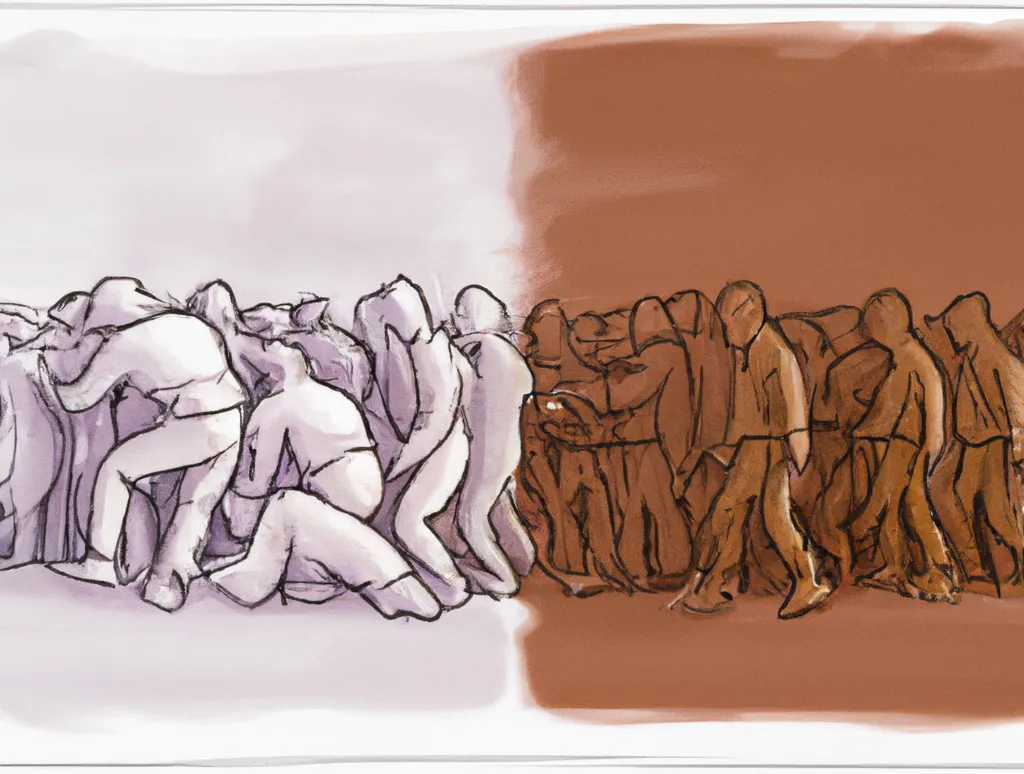
Thinking Migration: Political Realism in the Age of International Migration Law
This course explores the philosophical underpinnings of migration, specifically the political and legal factors that shape the movements of people, their premises, and the responses thereof. It will focus on “political realism” and its conceptual basis, as one of the major inf…
View course - 02
Narrating Nubia: Literature, Memory, and (Ecological) Space
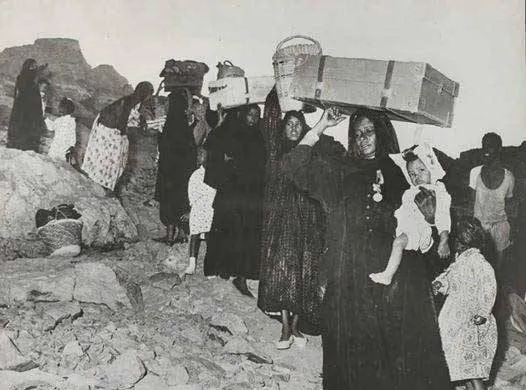
Nubian culture is entangled with memories of loss and longing. The Nubian indigenous peoples lived by the Nile river for hundreds of years before the systematic flooding of their homeland over the course of the 19th Century due to the establishment of the Aswan Dam and the Hig…
View course - 03
حياة واحدة لا تكفي: حلقة بحثية عن النوم والأحلام
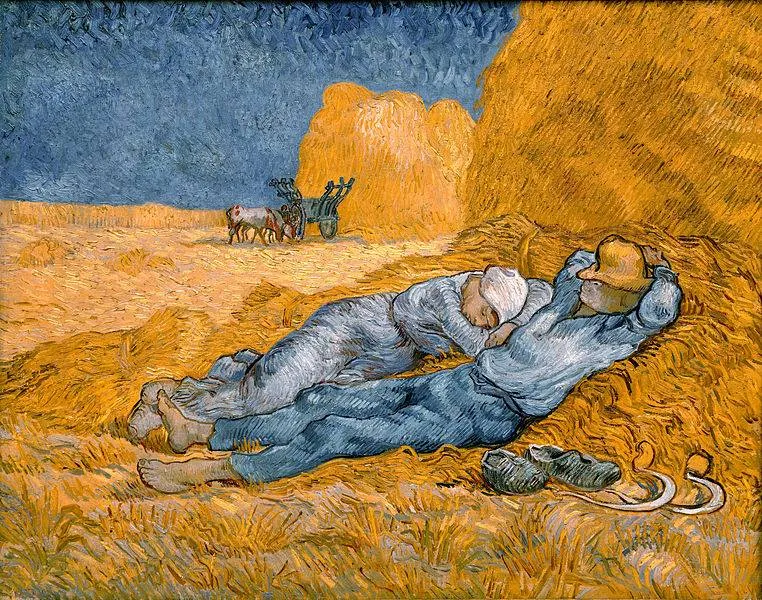
هذا مساق عن حقيقة نوم الإنسان، وكيف يحدث ذلك؟ وكيف نحلم؟ متتبعا الأحلام وتأثيرها في التاريخ، والجهود العلمية لفهم الأحلام وتفسيرها، وهل يمكننا أن نتحكم في أفكار العقل الباطن وإعادة توجيهها أو زرع أفكار جديدة، معتمدا على عدة مراجع متنوعة من الدراسات والكتب وأفلام السينما والإبد…
View course - 04
The Performing Body: Theories on Dance and Performance
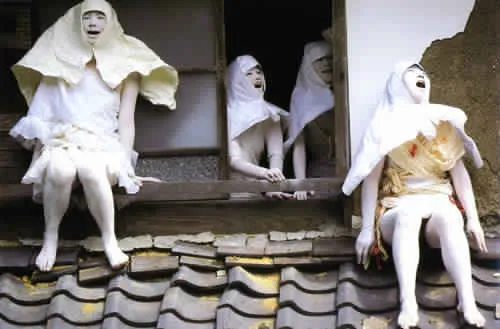
This course will examine the body as a generator of political possibilities and alternative narratives, highlighting the body as a continuous performing entity. In this class students will learn to define performativity and performance through the lens of: ritual, everyday lif…
View course - 05
Keys to read Abū Ḥāmid al-Ghazali
Abū Ḥāmid al-Ghazālī (d. 1111), known by the honorific title, the “Proof of Islam,” was one of the foremost scholars and authorities in the Muslim world. The epistemology of a paradigmatic figure like al-Ghazālī is central to Islamic intellectual thought, but also speaks to ou…
View course - 06
Writing lab: Cairo Poetics (The City as a Poem)
"Welcome to the Poetry Lab! This course delves into the intersection of poetry and urban studies, examining the ways in which poets have employed the city as a wellspring of inspiration and as a locus of artistic expression. Over the duration of the semester, we will explore t…
View course - 07
Translation Lab
What journey does a text make from one language to another? What happens in a translator’s mind when translating? How can the translator get the reader to the intended destination, while also helping him enjoy the trip? Why do translators either glorify or express contempt for…
View course - 08
Space lab: Un-building: Urbanization and the Geographies of Extraction
This lab explores how urbanization transforms the earth by (re)centering the “hinterland” question in the study of urbanization and cities. Together we will seek to develop a processual and metabolic understanding of urbanization in which we connect the dynamics of city-buildi…
View course - 09
The Anthropology of Music
How is music related to people’s identities and beliefs, and how does sound shape people’s sense of place and belonging? How does music-making connect to broader social, cultural and economic processes? In this course we will explore varied global musical styles, including Se…
View course - 10
Meaningful Conversations with the Prophets
Who cares if Jonah was inside a whale? What does it matter than Cain killed Abe? Why did Adam eat from the tree? Are these just historical stories for bedtime? This class is an exploration of the methodology of reading prophetic stories in the Quran. We will be using the metho…
View course - 11
Magic and Modernity: The Spell of Our Structures
The course will challenge the conventional notion of equating modernity with disenchantment, through looking at the ways in which the secular and the sacred go hand in hand. We will examine how reason does not eliminate “superstition" but piggybacks upon it; chance and serendi…
View course - 12
Inhabit: Belonging to Bodies and Lands
Inhabit is an online course that will examine eco-feminist and indigenous feminist perspectives on body, land, and home through texts from multiple genres and disciplines, and from different communities across the world. Through collective discussions, writing, and engaging wi…
View course - 13
Everything You Wanted to Know About Climate Change But Were Afraid to Ask
Understanding a world systems problem as complex, multilayered, and fundamentally chaotic as climate change may seem a tall order. Even so, it appears to be a civic duty for those of us concerned about the fate of the earth, our species, and the biosphere over the next century…
View course - 14
Being Displaced in the City: An Anthropological Approach
This course uses ethnographic texts to study the contemporary experience of displacement in cities. Studies of the refugee experience often assume the refugee camp as the quintessential space of displacement, while migration studies assumes as its object of study “economic” mi…
View course