Summer 2020, CairoShort Course
Time for U/Dystopia? Reflecting on Power, Politics and Global Crisis
Course details
- Cycle
- Summer 2020, Cairo
- Starts
- Wednesday, Jul 8
- Meets
- Wednesday, 17:00–19:00
- Length
- 6 sessions
- Taught in
- English
Share
Discuss it with AI
- Choose your preferred AI assistant.
- A new tab will open with a prompt prepared for this page.
- Press Send to begin exploring the page through dialogue, CILAS-style.
About the course
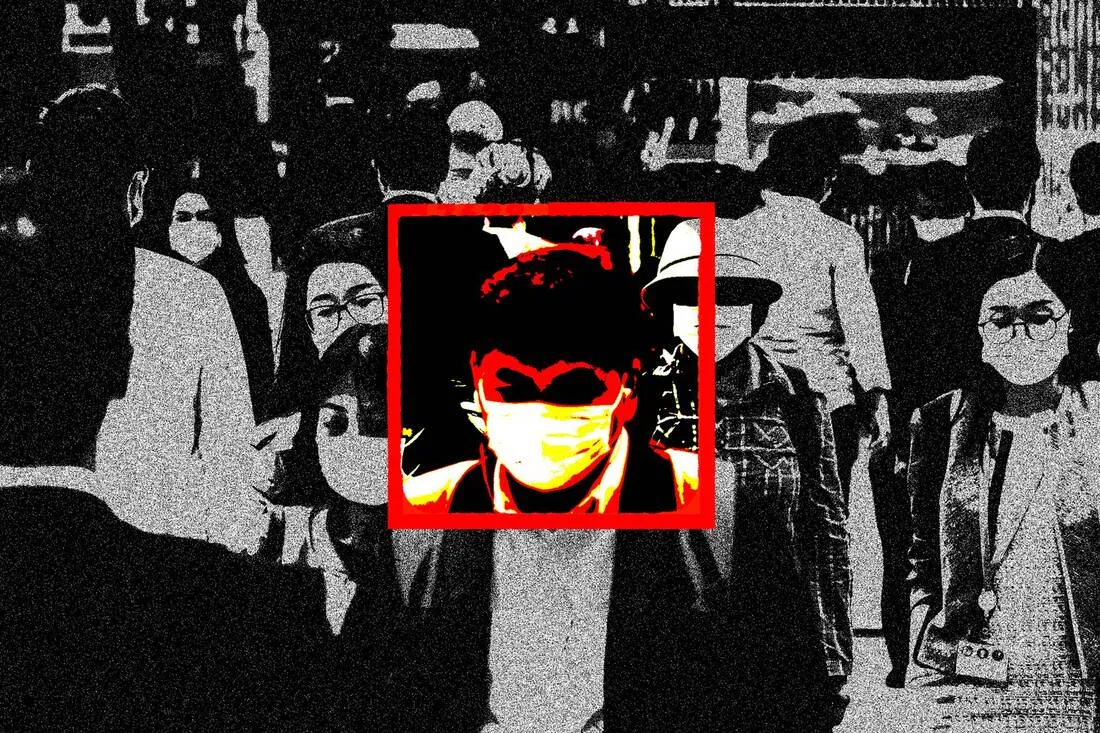
Questions of Utopia and Dystopia return forcefully in the context of the current world crisis. Will the Covid 19 pandemic expose, at last, the failures of the hegemonic global system, and lead to new modes of organization that transcend individualism and defy capitalism and colonialism? Or will it lead to the solidification of the old world order, now armed with new and renovated techniques of surveillance, fear-mongering, and mass control?
In this course we will use our current moment to reflect on a number of literary texts that defined the genre(s) of Utopia/Dystopia, and use them to reflect back on our present and on the various Utopian and Dystopian scenarios the future may be hiding for us.
The course will start of by quickly examining Thomas Moore’s Utopia before moving to William Shakespeare’s The Tempest, a text which playfully subverts the nascent utopian genre and brilliantly exposes its authoritarian and colonialist underpinnings. The course will then move to various utopic and dystopic texts, ending with the graphic novel and film versions of V for Vendetta, which predict the dystopic potentials of global natural-political crises like the one we live in. Finally, the course will shift to discussing a number of journalistic and theoretical commentaries that sought to expose the utopic and dystopic potentials of our present moment.
The discussions will be punctuated and interrupted with excerpts from contemporary news flashes and headlines, in order to prompt the reflection on our present from the standpoint of the studied text.
The literary, theoretical, and journalistic texts will not provide any answers, but will offer us some questions, some insight, and a lot of interesting discussions.
Course aims:
- Introducing the literary genres of Utopia and Dystopia - Using literature to reflect on our present and future - Exploring and discussing the themes of power, surveillance, and biopolitics; our intention, however, is to allow the theoretical discussion to spring from our discussion of the literary texts—texts by Foucault, Agamben, or others may be suggested as the flow of our discussion dictates. - Providing a theoretical and literary framework for discussing the possibilities of the future of our world.
This course is open for everyone. No background in theory or literature is required. The instructor will work on providing any necessary background material and the course will be structured in a manner that allows participants to bring in their various backgrounds and enrich each others’.
Clarifications: This is not a literature course and the instructor is not specialized in English or comparative literature. Students who come from a literature background are therefore encouraged to provide their own input and add their own expertise. The course, however, is more about exploring political and social phenomena through literary texts, and less about pure literature.
While the concept of Utopia has been creatively deployed in queer theory, and while interested participants are welcome to creatively reflect on the texts from any standpoint they wish, this will not be the focus of our course.
Who teaches it
Ahmed Diaa Dardir holds a PhD from Columbia University in Middle Eastern Studies and the highly esteemed position of “Sadīq CILAS.” His research focuses on questions of colonialism, subjectivity, and power. As a CILAS fellow, Ahmed has conducted and coordinated various courses and workshops in the Humanities combining Political Theory, History and Literature, including two workshops on Shakespeare. Ahmed is also a huge fan of theatre and has some experience in the field.
Course flow
July 2020
No assigned readings; excerpts from Thomas More’s Utopia and from Karl Marx’s critique of Utopian socialism will be introduced in session.
- Excerpts from Thomas More’s UtopiaIntroduced in session; not an assigned reading.
- Excerpts from Karl Marx’s critique of Utopian socialismIntroduced in session; not an assigned reading.
- The TempestWilliam Shakespeare.
- UtopiaThomas More. Suggested reading.
- Of the CannibalsMichel de Montainge. Suggested reading.
- Robinson CrusoeDaniel Defoe.
- Brave New WorldAldous Huxley.
August 2020
- V for VendettaAlan Moore.
- Excerpts from commentaries and opinion piecesTBA.
Get the CILAS newsletter
New courses, open calls and articles from CILAS, in your inbox.



18 October 2026
Join CILAS's Spring semester of 2026
- Spring 2026, Cairo