Fall 2019, AlexandriaCore Course
Humanities and Arts
Course details
- Cycle
- Fall 2019, Alexandria
- Taught in
- English
Share
Discuss it with AI
- Choose your preferred AI assistant.
- A new tab will open with a prompt prepared for this page.
- Press Send to begin exploring the page through dialogue, CILAS-style.
About the course
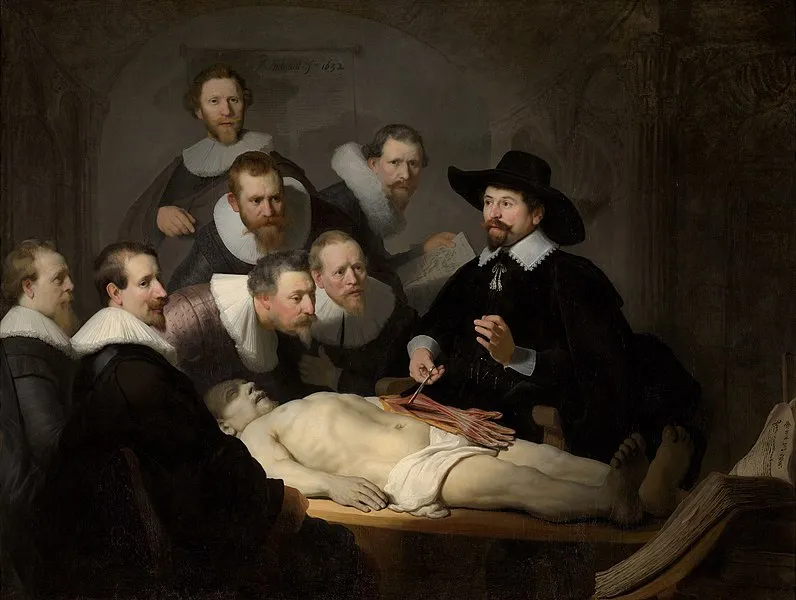
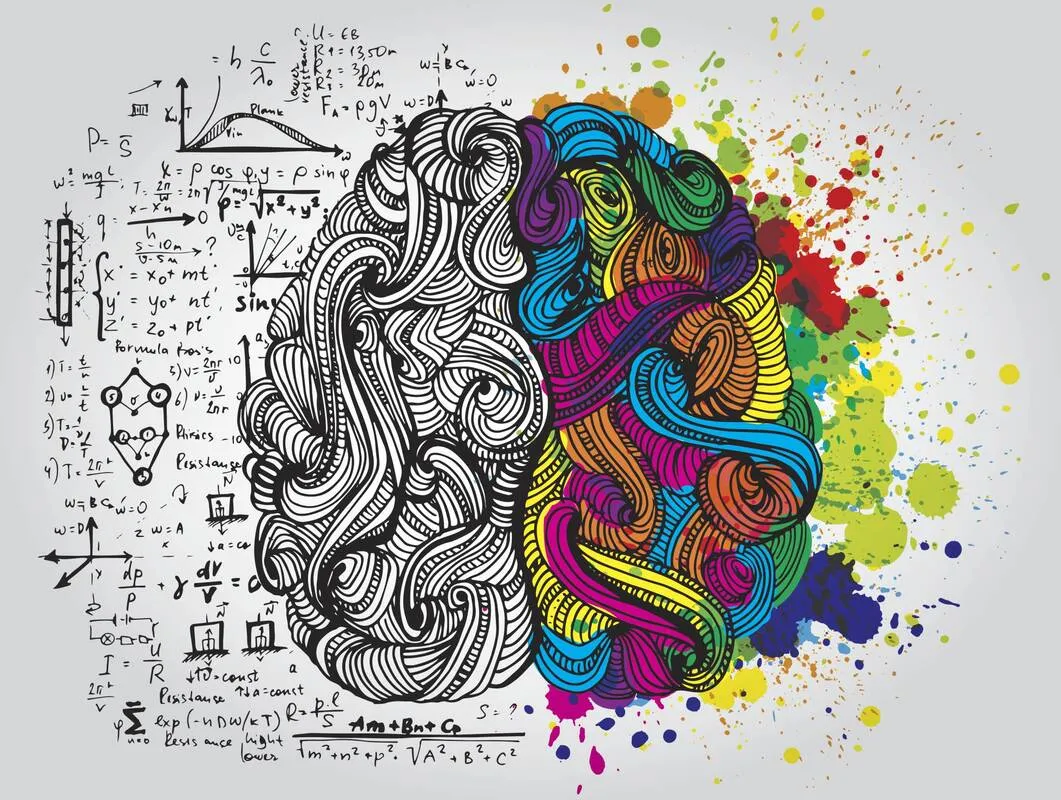
The Humanities are the vast areas of research and study that comprise all human-centric disciplines, from philosophy, the oldest of disciplines, to history, anthropology, literature, art, ancient and modern languages, law, politics, and religious studies. Overall, the humanities deal with the question of our humanness, of what it means to be a human in general, but more importantly, today. The humanities, therefore, engage with and embody sets of values and principles and narratives, and are generally more philosophical than the social sciences, which try to stay closer to the scientific methodology as practiced by the hard/physical sciences. The difference, although some interests are common and even overlapping, is a methodological difference, something we will come to discuss in our sessions.
This course will be an overall introduction to the humanities through a focus on the theme of religion. The department of Religious studies utilizes an interdisciplinary approach of many humanities disciplines along with social sciences in an attempt to respond to, explain, and engage with the scientific, political, social, and intellectual questions about the nature of religion. As such, we will be reading texts from different humanities disciplines, passing through discussions about the enlightenment, science, religious authority, and historical narratives. We will explore these issues through readings in philosophy, literature, anthropology, and history.
I find a lot of pleasure and reward in discussing big questions, and religion is one of those phenomena that pose the biggest questions of all, from the metaphysical questions about the nature of existence to the phenomenological observations of the religious life and religious experience to the historical details that illuminate narratives and counter-narratives, and finally the socio-political concerns with its many questions regarding law, justice, ethics, authority, tradition, modernity, etc. I find it very important and fruitful that we learn to talk about religion, or any other topic that concerns us as humans, in ways that may be new, different, and therefore illuminating.
Who teaches it
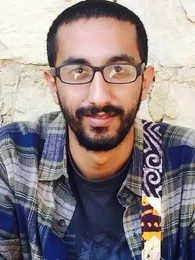
Omar El-Rakhawy is an AUC graduate of philosophy and has a Leiden Master degree in religious studies. In his Master’s thesis, which was titled “Religion and its Counter-Tendencies: A Reflection on the Question of Religion”, he discuss different approaches to the question of religion, especially criticizing objective approaches, and particularly when these are suppressive to subjective considerations. In doing this, he relied on a comparative approach between figures and thinkers of different backgrounds, among them Kierkegaard, Derrida, and two Sufi figures who were equally singular in their own contexts, namely Ibn ‘Arabi and al-Niffari. At CILAS Alex, he will serve as Teaching Fellow in the Humanities and Arts.
Get the CILAS newsletter
New courses, open calls and articles from CILAS, in your inbox.



18 October 2026
Join CILAS's Spring semester of 2026
- Spring 2026, Cairo