الربيع ٢٠٢٣، القاهرةمقرر موضوعي
The Anthropology of Music
تفاصيل المقرر
- الدورة
- الربيع ٢٠٢٣، القاهرة
- المدة
- ١١ أسبوعًا
- طريقة الحضور
- مدمج
- لغة التدريس
- الإنجليزية
مشاركة
ناقشه مع الذكاء الاصطناعي
- اختر مساعد الذكاء الاصطناعي الذي تفضّله.
- ستُفتح علامة تبويب جديدة، وستجد النص التوجيهي جاهزًا للاستخدام.
- اضغط على إرسال لتبدأ استكشاف الصفحة من خلال الحوار، على طريقة سيلاس.
عن المقرر
How is music related to people’s identities and beliefs, and how does sound shape people’s sense of place and belonging? How does music-making connect to broader social, cultural and economic processes?
In this course we will explore varied global musical styles, including Senegalese sabar, Indian hip hop, Egyptian shaʿbi, and western classical. We will consider these musics in their broader social and cultural contexts, thinking about how they are produced and consumed, and to what effect.
Drawing on a selection of recent ethnographies, we will learn how anthropologists and (ethno)musicologists, by paying attention to music and sound, have shed new light on key anthropological themes like gender, class, and migration. We will listen carefully, to the music itself and to how people talk about music. We will also think about how to explore sound from an anthropological perspective, using methods like musical apprenticeships, sound walks, and shared listening. Applying what we learn to our immediate contexts, we will consider the challenges and rich benefits of lending an ethnographic ear to the world around us.
مَن يقدّم المقرر
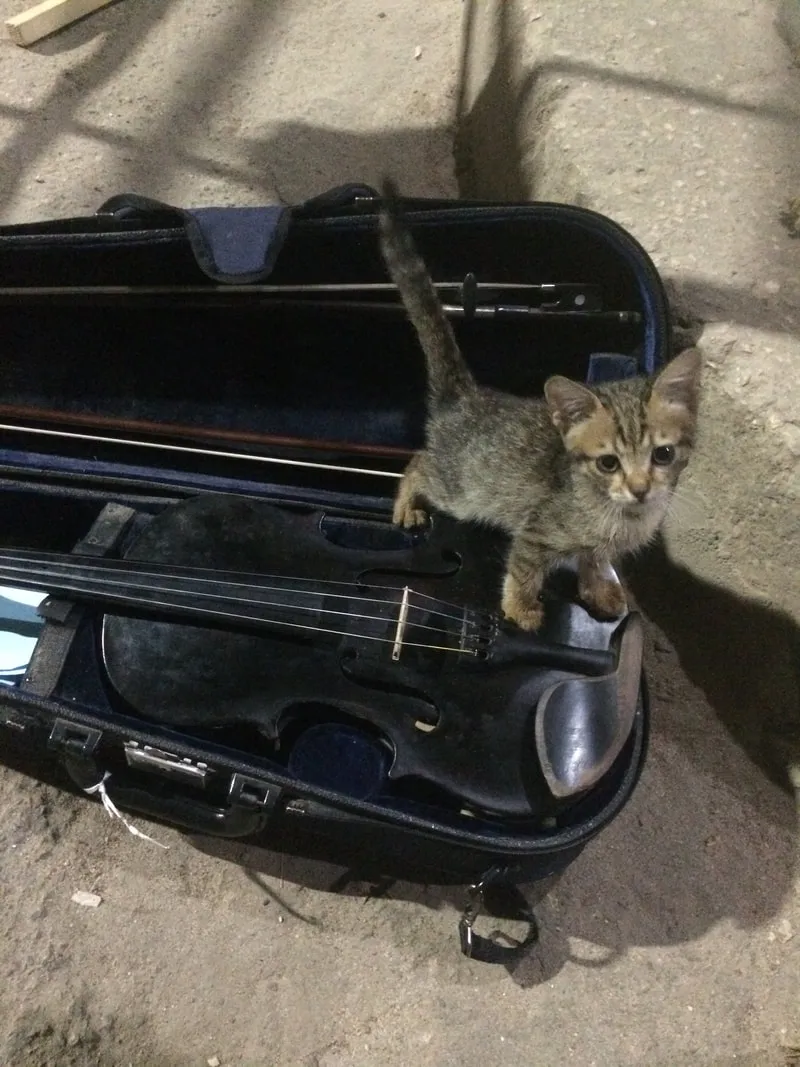
Sophie Frankford is an anthropologist currently based in Cairo as a Postdoctoral Fellow at CEDEJ. After an undergraduate degree in Music and an MPhil in Middle Eastern Studies, she completed a PhD in Anthropology at the University of Oxford. Her thesis was an ethnography of Egyptian shaʿbi music, considering how the style relates to broader issues of class and urban space. It was based on 21 months of fieldwork including one year spent working as a violinist in various shaʿbi bands.
مسار المقرر
جلسات بلا تاريخ
- The Anthropology of Music: The Role of Sounds, Stories, and Songs in Human Social LifeSean O’Neill. 2017. Ethnology, Ethnography and Cultural Anthropology. Read Part 1: General Introduction (pages 1-6).
- Ten Ways to ListenJoella Bitter. 2022. Anthropology News.
- Sabar Dancing in SenegalYouTube video, 10 minutes.
- Cool play: emotionality in dance as a resource in Senegalese urban women’s associationsHélène Neveu Kringelbach. 2007. In The Emotions: A Cultural Reader, ed. H. Wulff. Oxford: Berg.
Read one or both:
- No Dead Air! The iPod and the Culture of Mobile ListeningMichael Bull. 2004. Leisure Studies 24(4): 343-355.
- Spotify and the Democratisation of MusicTom Hodgson. 2021. Popular Music 40(1): 1-17.
- Bangkok is Ringing: Sound, Protest, and ConstraintBenjamin Tausig. 2019. (Chapters TBA)
Read one or both:
- ‘McDonald’s Music’ Versus ‘Serious Music’: How Production and Consumption Practices Help to Reproduce Class Inequality in the Classical Music ProfessionAnna Bull and Christina Scharff. 2017. Cultural Sociology 11(3): 283-301.
- El Sistema as a Bourgeois Social Project: Class, Gender, and Victorian ValuesAnna Bull. Art, Criticism, and Theory for Music Education 15(1).
- BBC Proms 2011: National Youth Orchestra play Romeo and JulietYouTube video, 2 minutes.
Read one or both:
- Towards a Sonic Ecology of Urban Life: Ethnography and Sound Perception in CairoVincent Battesti and Nicolas Puig. 2020. Senses and Society 15(2): 170-191.
- Egyptian Shaʿbi Music and Struggles over City SpaceSophie Frankford.
- Music and the Global OrderMartin Stokes. 2004. Annual Review of Anthropology 33: 47-72.
Read one or both:
If you read the Hemmasi, video TBA.
- Music, Migrant Life, and Scenes of a “Mexican South”Alex E. Chávez. 2015. Southern Cultures 21(3).
- Tehrangeles Dreaming: Intimacy and Imagination in Southern California’s Iranian Pop MusicFarzaneh Hemmasi. 2020. Durham and London: Duke University Press. (Chapter TBA)
- vincent velazquex, Huapango ArribeñoIf you read the Chavez, watch some of this YouTube video.
Read one or more:
- Muslim Cool: Race, Religion and Hip Hop in the United StatesSu’ad Abdul Khabeer. 2016. New York: New York University Press. (Chapters TBA)
- Ciphers, ‘hoods and digital DIY studios in India: Negotiating aspirational individuality and hip hop collectivityEthiraj Gabriel Dattatreyan and Jaspal Naveel Singh. 2020. Global Hip Hop Studies 1(1): 25-45.
- Modalities of Space, Time and Voice in Palestinian Hip-Hop NarrativesIlana Webster-Kogen. In Travelling towards Home: Mobilities and Homemaking, ed. Nicola Frost and Tom Selwyn.
- Song Walking: Women, Music and Environmental Justice in an African BorderlandAngela Impey. 2018. Chicago and London: The University of Chicago Press. (Chapters TBA)
اشترك في نشرة سيلاس
المقررات الجديدة والدعوات المفتوحة ومقالات سيلاس، في بريدك.



١٨ أكتوبر ٢٠٢٦
Join CILAS's Spring semester of 2026
- Spring 2026, Cairo