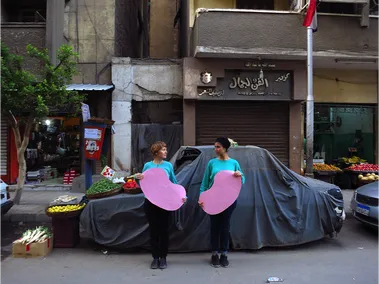
الشتاء ٢٠١٦، القاهرةمقرر موضوعي
reading Plato's Republic in Cairo
تفاصيل المقرر
- الدورة
- الشتاء ٢٠١٦، القاهرة
- لغة التدريس
- الإنجليزية
مشاركة
ناقشه مع الذكاء الاصطناعي
- اختر مساعد الذكاء الاصطناعي الذي تفضّله.
- ستُفتح علامة تبويب جديدة، وستجد النص التوجيهي جاهزًا للاستخدام.
- اضغط على إرسال لتبدأ استكشاف الصفحة من خلال الحوار، على طريقة سيلاس.
عن المقرر
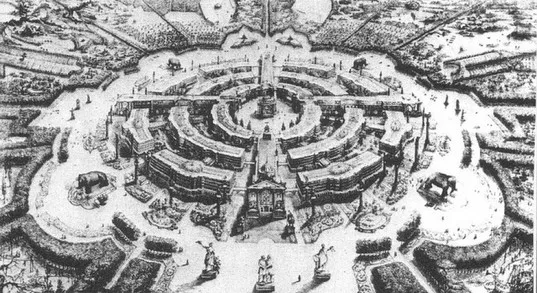
Whoever desires to make the world a better place sooner or later encounters the tension between theory and practice, between ideal and reality. One might desire to unify the two: to make theory that is more in line with practice. But are impractical theories bad? Plato says no. In his Republic, which investigates what the best or ideal society is, he argues that only useless theories are useful, and that the ideal society is relevant even when it is not realisable.
Three questions immediately arise. Why does Plato resist the unification of theory and practice? Is the best society the same for every place and every time? Finally, are present-day conditions more favourable than in Plato's time for unifying theory with practice? This course will be a collective encounter with the Republic in light of the theory-practice problematic.
The two great themes in this work are justice and philosophy, or broadly speaking, the ideals and realities in politics and education. What is the relation between politics and education? Is education for the sake of better citizens? Can there be good education in a corrupt country, or good politics despite bad education? Since we are ourselves participating in education, the course is reflexive in spirit: an exercise in clarifying our own deepest longings and ideals.
what to expect
Everyone, myself included, will write one one-pager per week on an assigned topic, discuss it, and edit them in class.
Bring your sense of humour to the discussion because one cannot understand Plato without it!
Activate your imagination: there will be stage-directing, role-playing, and drawing.
why apply
To understand the question of justice and the nature of politics.
To become familiar with the arguments for and against the classical view of education.
To equip oneself with a preliminary framework for analysing political affairs.
To grasp the metaphysical and psychological foundations of Western political thought.
To question, interrogate, and reflect on the role of knowledge in society.
مَن يقدّم المقرر
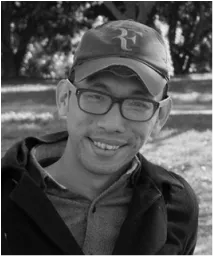
تلقى إي-كاي جنيج درجة الماجستير والدكتوراة في الفلسفة والدراسات الكلاسيكية في جامعة بوسطن، قبل أن يعود إلى بلاده ويتقلد منصباً في قسم الفلسفة بجامعة تايوان الوطنية، وقد عمل كزميل أكاديمي زائر في سيلاس لفصل دراسي واحد وشارك أفكاره حول جمهورية أفلاطون مع طلابها الرائعين هناك. وهو متخصص في الفلسفة اليونانية، مع تركيز خاص على تأملات أفلاطون عن الانخراط الفلسفي في السياسية وطبيعة الخطاب الفلسفي، كما يستمتع بلعبة التنس (نظريًا فقط، وليست الممارسة!) والسينما وطي الورق عندما لا يكون منشغلاً بإيضاح المفاهيم.
اشترك في نشرة سيلاس
المقررات الجديدة والدعوات المفتوحة ومقالات سيلاس، في بريدك.



١٨ أكتوبر ٢٠٢٦
Join CILAS's Spring semester of 2026
- Spring 2026, Cairo