الربيع ٢٠٢٤، القاهرةمقرر موضوعي
Anthropology and Storytelling Along the Water’s Edge
تفاصيل المقرر
- الدورة
- الربيع ٢٠٢٤، القاهرة
- طريقة الحضور
- حضوري
- لغة التدريس
- الإنجليزية
مشاركة
ناقشه مع الذكاء الاصطناعي
- اختر مساعد الذكاء الاصطناعي الذي تفضّله.
- ستُفتح علامة تبويب جديدة، وستجد النص التوجيهي جاهزًا للاستخدام.
- اضغط على إرسال لتبدأ استكشاف الصفحة من خلال الحوار، على طريقة سيلاس.
عن المقرر
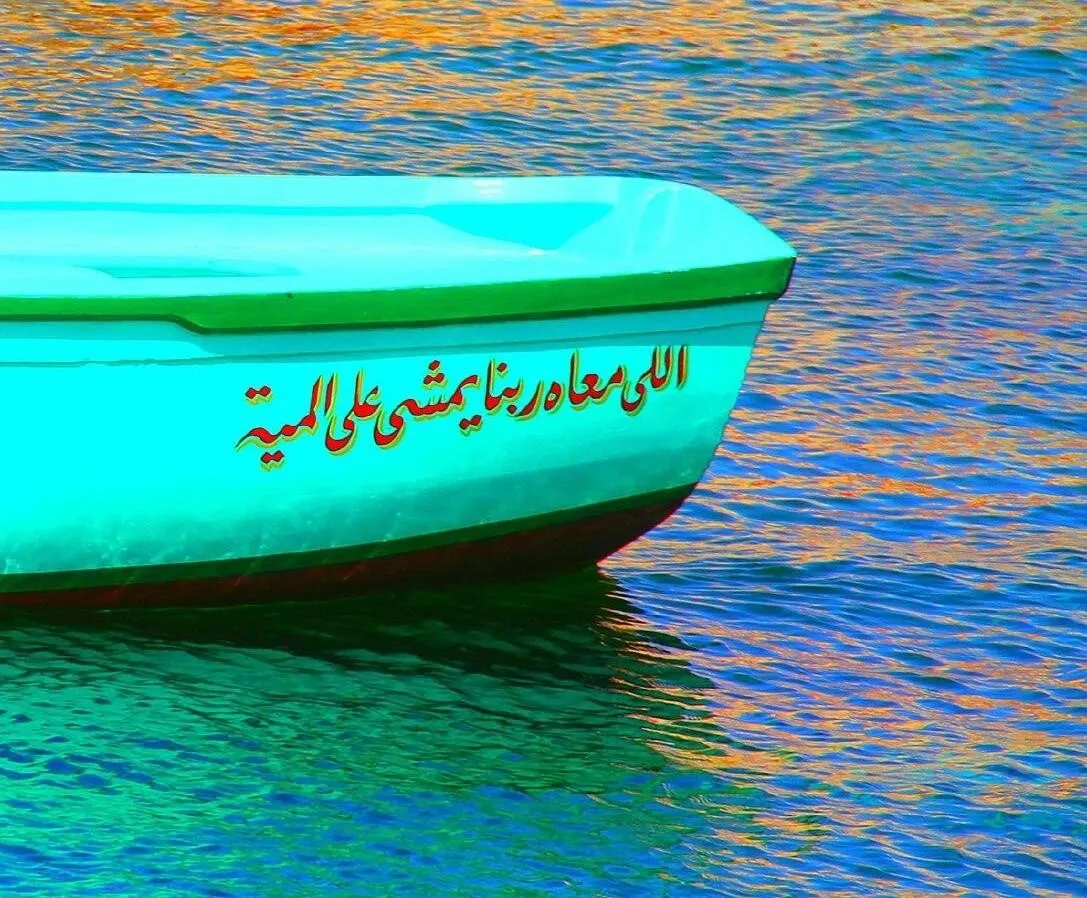
They can be opaque or crystal clear, familiar or mysterious, haunting, joyful, dreamy, muddy, bounded or endless; waterbodies are excellent sites for exploring the relationship between humans, and their various conceptions of culture and nature.
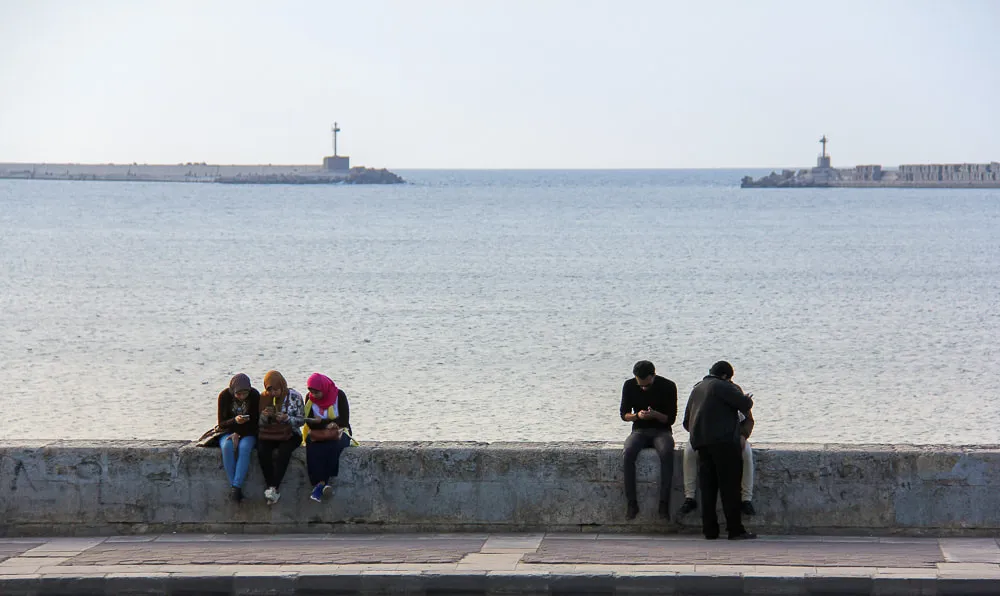
Waterscapes both enact and witness different histories and imaginations in their perpetual interaction with land. At the same time, they figure as key players in discourses of the political, economic, environmental, and social worlds. Bodies of water in Egypt are particularly rich; seas, rivers, and lakes, all of which played a significant role not only in the foundation of the cities that we inhabit today but continue to impact our everyday lives as at once sources of life, sites of memory, zones of connectivity and movement, territories of danger, spectacles of beauty, and more.
Anthropology of water is a relatively recent yet incredibly vast field that deals with the inexhaustible variation of water’s semiotic, historical, political and material forms, and in this course we will take this multiplicity as our starting point. Throughout the course, we will investigate a number of topics related to ecological, historical, poetic, material, scientific, and sociocultural aspects of waterscapes. The course draws on readings that interrogate the boundaries between fact and fiction, theory and practice. Our readings will not be limited to the discipline of anthropology, instead, they will include discussions from studies of ecology, media, geography, science, and technology as well as literature and poetry.
By the end of the course, students are expected to complete a paper dealing with their chosen “body of water” in Egypt. We will workshop the texts/ projects on weekly basis. During the 2nd half of each class, the group will come together as a “writing collective”, fostering a community of mutual support. Each person will read their work aloud while the other listen attentively, taking notes to offer creative concepts/ connections that come up in and across the readings. After 4 readings, we will discuss the four pieces together, then move on to the following four, and so on.
We will proceed through a series of exercises and workshops as we think about ethnography as a form of writing, a method of witnessing, and as storytelling. Your writings, though non-fiction, will be creative in its effort to evoke and speculate on worlds that are human but also more than human, real but also imagined, present but every-so- temporarily. Ethnography, ultimately, is a descriptive and evocative form of writing that engages ways of living in complex assemblages of forms, forces, tenses, bodies, practices, sensibilities, structures and materialities.
مَن يقدّم المقرر
سهى حاليا مرشحة لدرجة الدكتوراه في الأنثروبولوجيا الاجتماعية والثقافية في جامعة كاليفورنيا، ديفيس. حصلت على درجة الماجستير في الجامعة الأمريكية بالقاهرة عام 2018، وعملت في حياتها السابقة في مجال النشر. طوال الوقت، حافظت على شغفها القوي برواية القصص، وتكوين الأصدقاء، وخبز الكعك، وتربية القطط. ويتناول عملها الحالي تمثيلات بيئة البحر الأبيض المتوسط في الإنتاج الثقافي المصري.
اشترك في نشرة سيلاس
المقررات الجديدة والدعوات المفتوحة ومقالات سيلاس، في بريدك.



١٨ أكتوبر ٢٠٢٦
Join CILAS's Spring semester of 2026
- Spring 2026, Cairo