الربيع ٢٠٢٢، القاهرةمقرر موضوعي
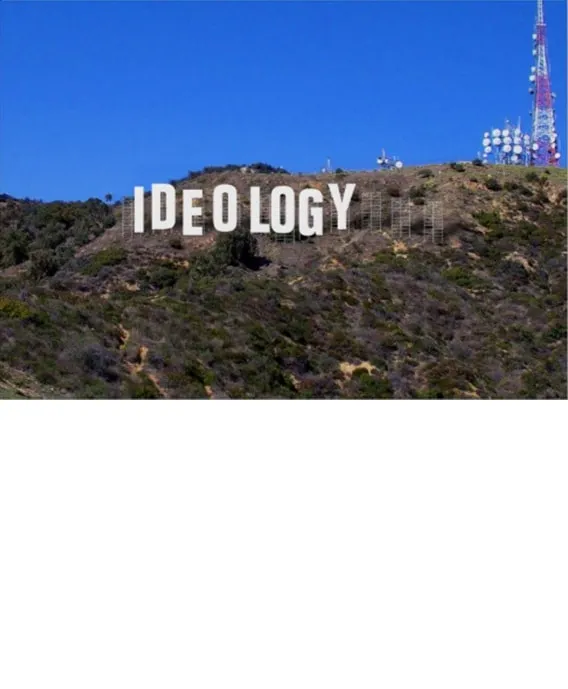
Why do we obey?: Ideology in Daily Life
تفاصيل المقرر
- الدورة
- الربيع ٢٠٢٢، القاهرة
- يبدأ
- الأربعاء، ٢ فبراير
- المواعيد
- الأربعاء، ١٨:٠٠–٢٠:٠٠
- المدة
- ٩ أسابيع
- طريقة الحضور
- حضوري
- لغة التدريس
- الإنجليزية
مشاركة
ناقشه مع الذكاء الاصطناعي
- اختر مساعد الذكاء الاصطناعي الذي تفضّله.
- ستُفتح علامة تبويب جديدة، وستجد النص التوجيهي جاهزًا للاستخدام.
- اضغط على إرسال لتبدأ استكشاف الصفحة من خلال الحوار، على طريقة سيلاس.
عن المقرر
How does authority re-produce itself in our everyday lives? What is ideology? How does ideology shape our attitudes, perceptions, and every day interactions? What can the works of Louis Althusser, Slavoj Zizek, Jacques Lacan, and other theorists of ideology tell us about ourselves and our world(s)?
This course will interrogate various phenomena, from mundane everyday phenomena like naming and holidays, to grand political phenomena like authority and patriarchy.
The reading material will aim to accumulate critical tools that are fitted for this inquiry. Each week, we will look at one of these phenomena through a critical lens borrowed from one or more of the texts we will be reading. Our aim is to allow the inquiry to determine the theoretical framework and not the other way round.
مَن يقدّم المقرر
أحمد ضياء هو أحد مؤسسي معهد The Institute for De-Colonising Theory - IDCtheory –IDCtheory. حصل على درجة الدكتوراه من جامعة كولومبيا في دراسات الشرق الأوسط واللقب المرموق "صديق سيلاس". تركز أبحاثه على مسائل الاستعمار والذاتية والسلطة. بصفته زميلًا في سيلاس، قام أحمد بإجراء وتنسيق العديد من الدورات وورش العمل في العلوم الإنسانية التي تجمع بين النظرية السياسية والتاريخ والأدب. أحمد أيضًا من أشد المعجبين بالمسرح ولديه بعض الخبرة في هذا المجال.
Cassidy Crawford completed an undergraduate degree in International Studies at American University in 2014. After graduation, she spent winters teaching in Cairo and summers sailing Penobscot Bay as the first mate on a hundred-year-old schooner in Camden, Maine. She recently completed her Master’s degree in Psychosocial Studies from Birkbeck in London, UK. Her thesis was entitled ‘The Me Too movement: a psychoanalytic exploration of the limits of Law and possibilities beyond it.’ Her interests include Lacanian psychoanalysis, post-Lacanian feminist inquiries.
مسار المقرر
فبراير ٢٠٢٢
How do we come to see ourselves as subjects?
What is the Lacanian mirror stage in developmental terms?
What is the ego in relation to the subject?
- The mirror-stage as formative of the I function as revealed in psychoanalytic experienceLacan, J. (2006). In B. Fink (Trans.), Écrits (pp 75-81). New York & London: W.W Norton.
- Freud and LacanAlthusser.
How does authority call upon us?
How does Ideology pervade our daily lives and our conceptions of ourselves?
What was Althusser’s contribution to ideology critique?
What is identification in Lacanian terms and how does this relate to the function of ideology?
Why do we obey?
- Ideology and ideological state apparatusesAlthusser, L. (1971). In L. Althusser (Ed.), Lenin and philosophy and other essays. New York: Monthly Review Press.
- Zero Dark Thirty2012, film.
- On Populist ReasonLaclau.
In what way does Zizek depart from the Althusserian notion of ideology?
How is ideology tied to desire and fantasy?
What is the relationship between desire and the Other?
How is the subject an answer to the Real?
- The Sublime Object of IdeologyZizek, S (1989).
- Film ScreeningTBA.
In what way is desire constructed?
What does capitalism get right about our desire?
In what ways is desire a political phenomenon?
Does desire escape power? Or does it become part of power’s relay network?
- Capitalism and Desire: The Psychic Cost of Free MarketsMcGowan, Todd. 2016.
- On Populist Reason (cont’d)Laclau.
- The Sublime Object of Ideology (cont’d)Zizek, S (1989).
مارس ٢٠٢٢
What is the psychology of colonization?
How does the colonial experience shape the psyche of the colonizer and the colonized?
What is the role of identification in colonial domination?
- A Critical Psychology of the PostcolonialHook, D (2008).
- Black Skin, White MasksFanon, F (1967).
How does patriarchy become normalized?
What is the political function of feminist critique?
How does patriarchy and other modes of authority lend support to each other?
- Feminine SexualityRose, J and Mitchell, J (1985).
- Psychoanalysis and FeminismMitchell.
How is naming political?
What role does naming play in placing us within social and political structures?
What if we had no names?
- Through the Looking Glass and What Alice Found ThereCarroll.
- Ideology and ideological state apparatuses (cont’d)Althusser, L. (1971). In L. Althusser (Ed.), Lenin and philosophy and other essays. New York: Monthly Review Press.
What is the productive side of power?
How does power produce pleasures, goods, and life?
How does power ostracize the deviant and the abnormal?
How did Foucault and the anti-psychiatry movement oppose psychology and psychoanalysis? Is there a way to reconcile Foucault’s theories with a psychoanalytical framework?
- History of Sexuality, v.1Foucault, M.
- AbnormalFoucault.
To what extent have technology and cybernetics become part of our consciousness? What revisions can this technological turn offer to extant theories of subjectivity, identification, and desire?
How does technology make us complicit with power?
What modes of domination and violence are being sanitized and/or hidden behind shiny screens and slick keyboards?
Why do we trust the algorithm?
- To Be Continued: An Interview on SerialityCited without author.
- A Thousand PlateausDeleuze and Guattari (excerpts).
- The Californian IdeologyRichard Barbrook and Andy Cameron.
- Yes, There Are More Facebook Papers. Yes, It's a Lot.Cited without author.
- A Promised LandObama (excerpts).
اشترك في نشرة سيلاس
المقررات الجديدة والدعوات المفتوحة ومقالات سيلاس، في بريدك.



١٨ أكتوبر ٢٠٢٦
Join CILAS's Spring semester of 2026
- Spring 2026, Cairo