الصيف ٢٠٢١، القاهرةمقرر قصير
Soy pan, soy paz, soy más - انا خبز، انا سلام، انا ما بعد
تفاصيل المقرر
- الدورة
- الصيف ٢٠٢١، القاهرة
- يبدأ
- الخميس، ١٥ يوليو
- المواعيد
- الخميس، ١٧:٠٠–١٩:٠٠
- المدة
- ٦ أسابيع
- طريقة الحضور
- عبر الإنترنت
- لغة التدريس
- الإنجليزية
مشاركة
ناقشه مع الذكاء الاصطناعي
- اختر مساعد الذكاء الاصطناعي الذي تفضّله.
- ستُفتح علامة تبويب جديدة، وستجد النص التوجيهي جاهزًا للاستخدام.
- اضغط على إرسال لتبدأ استكشاف الصفحة من خلال الحوار، على طريقة سيلاس.
عن المقرر
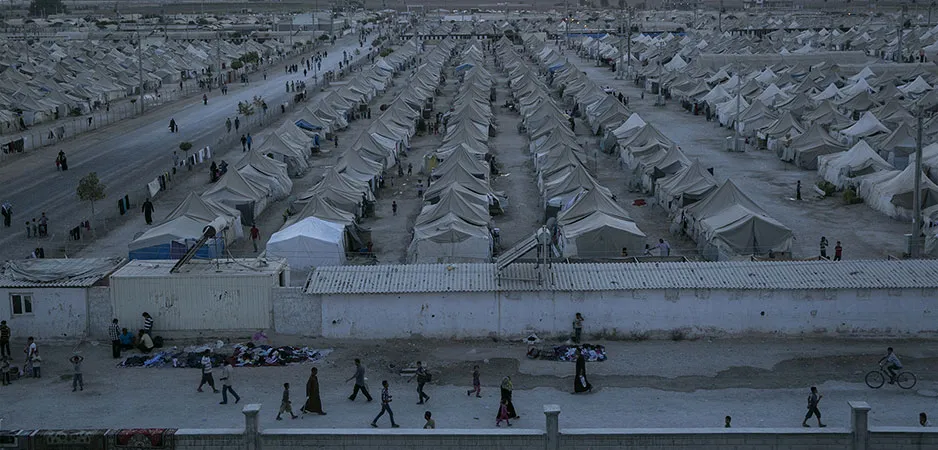
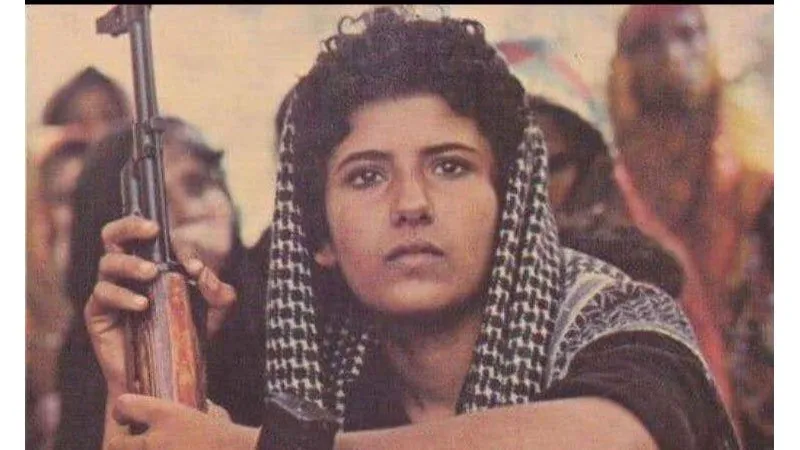
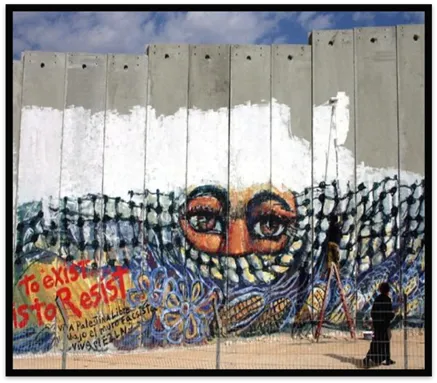
“I had to come all the way to Mexico to rediscover Palestine,” writes literary scholar Amal Eqeiq about her visit to the Mayan village of Chamula. The visible and invisible borders that separated ethnic populations, and the uneven infrastructure and resources on each side, created for her a “dramatic déjà-vu of internal colonialism” that brought her back to her native Palestine. What might we rediscover, notice, or see differently, when looking across the Atlantic from the Arab World to Latin America, and back? What contours, constellations and legacies can we trace between parts of the world infrequently considered side by side? The course highlights the cross-Atlantic historical, discursive, cultural and material resonances between Latin America and the Arab world as well as the anxieties that these resonances provoke. We will engage in border thinking to probe, among other things, the porosity of al-Andalous; trace the transatlantic trajectory of Yerba Mate and interrogate the architecture of occupation/separation in Mexico and Palestine through various texts, films, modes of inquiry and pedagogical approaches.
Transregional and translocal alliances (especially in the form of South/South dialogue) that span the Atlantic are providing impetus for collective political strategies once again. This course proposes to engage in cross-regional analysis through various texts, films, modes of inquiry and pedagogical approaches. We will begin from the specificity of the Iberian peninsula and the year 1492 marking the year of the (Re-)conquista which will provide the impetus for our cross-disciplinary exploration of a series of interrelated historical processes.
We will then turn our attention to the ‘Latin East Initiative’, an exploration of comparative indigeneity and liberatory artistic praxis in shared forms of theatre, cartoon, (rap) music and film.
مَن يقدّم المقرر
Phoebe CARTER is a translator, writer, and PhD student in Comparative Literature at Harvard University. Born in Massachusetts, she was raised in a series of small towns around the US. She studied Latin American and Arabic literature in Ohio, Quito, and Amman and was a fellow at AUC’s Center for Arabic Study Abroad. She first came to CILAS as a student in 2020 for a course on Arab-Latinx Theory.
درس كريم ياسين جوسنجر الفلسفة السياسية والعمران في هولندا والبرازيل وفرنسا وعمل في عدة مؤسسات تنموية في أمريكا اللاتينية والشرق الأوسط في حقول التمويل المتناهي الصغر والإسكان الشعبي والحوكمة المحلية. يستمتع بالفنون القتالية واللغات والموسيقى العالمية والطبخ والشاي. بعد تخرجه من جامعة ساينس بو باريس، أنشأ معهد القاهرة للعلوم والآداب الحرة (سيلاس). نسق حقل العلوم الإجتماعية والطبيعية في سيلاس وأدار برنامج العام الدراسي في الآداب الحرة بين عام 2013 و2016، كما درّس مساقين في علم الإجتماع في الجامعة الأمريكية بالقاهرة في عامي 2016 و2017.
مسار المقرر
يوليو ٢٠٢١
- Reconquest Colonialism and Andalusi Narrative Practice in the “Conde Lucanor”Wacks, D. (2006). The John Hopkins University Press.
- Formations of Colonialist DiscourseShohat and Stam ( ). From Unthinking Eurocentrism.
- Border thinking and Vulnerability as a Knowing Otherwise in E-International RelationsIcaza, R. (2017). Accessible here.
- Episode 5: Legacies of al-AndalusOttoman History Podcast. Accessible here.
- Caspar Vopel’s map of the "Amerasian continentLooking at the map.
- Yerba Mate Myths, Markets, and Meanings from Conquest to PresentFolch, C. (2010). Cambridge University Press.
- “Mate” tea a long-time Lebanese hitHussein, S. (2018). Accessible here.
- مكونات شراب المتة السورينورا شيشاني (٢٠١٩). من هنا.
- متة من علي ويكيبيديا من هنا
- Yerba mate in Lebanon and SyriaMatero. Accessible here.
- Four cultural origins of Yerba MateTeaPro. Accessible here.
- Borderlands/La FronteraAnzaldua, G. (1987). Aunt Lute Books. Selected passages.
- The Physical and Mental Walls of Israel and the United States over Palestine and Mexico – Build Resistance Not Walls.Conde, G. Accessible here.
- Of Borders and Limits - Comparative Indigeneity in Mexico and PalestineEqeiq, A. (2018). Jadaliyya.
- Forensics Helps Widen Architecture’s MissionOptional reading. Kimmelman, M. (2018). New York Times. Accessible here.
- Trajectories of Travel: Augusto Boal’s Liberatory Theatre Practice in PalestineOptional reading. Jawad, R. (2018). Jadaliyya.
- What is a Wall? And Other Questions. Discussion Forum: Forensic Architecture, and Walking through Walls.Accessible here.
- A World Not OursMahdi Fleifel
- Presentation linked in the Week 3 viewingGoogle Slides link given in the flow; its underlying title is not shown in the text.
أغسطس ٢٠٢١
- Mafalda - A Social and Political History of Latin America’s Global ComicCosse, I. (2019). Duke University Press. Selected passages.
- Naji Al Ali - An Artist with VisionAccessible here.
- The Voice of Egypt - Umm Kalthum, Arabic Song, and Egyptian Society in the 20th CenturyDanielson, V. (1997). University of Chicago Press. Selected passages.
- Umm KulthumLohmann, L. (2010).
- Mercedes Sosa - The Voice of Latin America (2013)Concerts
- Los raperos agricultores de la Comuna 13 en MedellínRendon, C. Vice. Accessible here.
- Peace, plants and hip-hop in ColombiaWecker, K. (2017). Accessible here.
- “There was Something Inside of me I Needed to Let Out”: Occupied Masculinities, Emotional Expression and Rap Music in a Palestinian Refugee CampSkinner, C. (2021). Men and Masculinities XX(X).
- Hip Hop AgrarioTwo-part documentary in Spanish. Accessible here.
- AgroArte YouTube ChannelAccessible here.
- Shabjdeed | Interview - شب جديد | المقابلةMa3azef. Accessible here.
- Colombia city combines gardening and hip-hop to revive communityGlobal Voices. Linked in the Week 7 readings; underlying title not shown in the text.
قائمة قراءات المقرر
- The Voice of a CondorAl Attar, Heba. 2014. 45 minutes. Documentary about the Christian Palestinian diaspora in Chile.
- 5 Broken CamerasBurnat, Emad. 2012. 1h34.
- Los rubiosCarri, Albertina. 2003. About Argentinian filmmaker Carri’s search for her disappeared parents, or some image or memory of them.
- Vanishing LandscapeShehadeh, Raja. 2009. Shehadeh reads an excerpt from his book Palestinian Walks: Notes on a Vanishing Landscape, accompanied by photographs (~10 minutes).
- Memorias del subdesarrollo
- Canasta de Poetas Mexicanos Para La Revolución PalestinaRohana, Shadi. Periódico de Poesía. Accessed May 31, 2021. [open access]. From the 1981 issue of Darwish’s literary magazine el-Karmel, with introductory notes translated from Arabic to Spanish by Shadi Rohana [may be able to get scans of el-Karmel to see the Arabic; can look for English translations of the poems].
- Mahfud MassisChilean-Palestinian poet, writes in Spanish. Has some interesting poems about his double exile, first from Palestine and then from Chile.
- Mahmoud DarwishAnimation of the Dice Player.
- Mar de dolorRaul Zurita.
- Humberto Padilla
- Laura Yasan
- Jorgenrique Adoum
- Clarice Lispector
- Shab JdeedMusic
- DaboorMusic
- DAMMusic
- Shadia MansourMusic
- Calle 13Music
- Ana TijouxMusic
- Mafalda and HandalaArt
- Julio CortazarShort story
- Joao Guimaraes Rosa - The Third Bank of the RiverShort story
- BorgesShort story
- Ghassan KanafaniShort story
- Touch?Adania Shibli. Excerpt.
- Microcuentos (el dinosaurio, el emigrante…)Short stories
- Jesus Diaz - el pianista arabeShort story
- Volverse Palestina ; seguido de, Volvernos otrosMeruane, Lina. Primera edición. Santiago de Chile: Literatura Random House, 2014. Also available in Shadi Rohana’s Arabic translation from Kotob Khan. Second-generation Chilean-Palestinian writer’s account of her trip to her father’s childhood home in Palestine.
- Cuban Counterpoint: Tobacco and SugarOrtis, Fernando. 1940; tr. 1995.
- Palestinian Walks: Notes on a Vanishing LandscapeShehadeh, Raja. London: Profile, 2007. Requested from library.
- Hollow Land: Israel’s Architecture of OccupationWeizman, Eyal. London ; New York: Verso, 2007. Requested from library.
- Puerto Rican Decolonization, Armed Struggle and the Question of PalestineAwartani, Sara. MERIP. April 22, 2018. [open access]
- Citizens from Afar: Palestinian Migrants and the New World Order, 1920–1930Bawalsa, Nadim. Handbook of the History of the Middle East Mandates, ed. Schayegh, Cyrus, and Andrew Arsan. Routledge, 2015. [PDF uploaded]
- Israel, Guatemala, and the Agricultural Roots of an Authoritarian Internationalism.Cutipa-Zorn, Gavriel. Cultural Dynamics 31, no. 4 (2019): 350–64. [PDF uploaded]
- From Palestine to Mexico (and Back): Reflections of a Literary Scholar.Eqeiq, Amal. Contemporary Levant 2, no. 1 (January 2, 2017): 61–66. [PDF uploaded]
- Israel’s Environmental Colonialism and EcoapartheidLorber, Ben. Socialist Project: The Bullet. June 15, 2018. [open access]
- Julio Cortázar Entrevistado Por La Revolución PalestinaRohana, Shadi. Badebec. Accessed May 31, 2021. [open access]. Interview between Ikram Antaki and Julio Cortazar, originally published in Arabic in the 1981 issue of el-Karmel, here translated into Spanish by Rohana.
- Una Entrevista PeregrinaSame author as the previous entry (Rohana, Shadi). Al Zeytun, Buenos Aires. Accessed May 31, 2021. Interview between Ikram Antaki and Gabriel Garcia Marquez, originally published in Arabi in the 1981 issue of el-Karmel, here translated and introduced in Spanish by Rohana.
- Concrete and Livability in Occupied PalestineRubaii, Kali. Engagement (blog), September 20, 2016. [open access]. An article about space, materiality, environment, coloniality, and intraspecies living in the village of Al-Aqaba.
اشترك في نشرة سيلاس
المقررات الجديدة والدعوات المفتوحة ومقالات سيلاس، في بريدك.



١٨ أكتوبر ٢٠٢٦
Join CILAS's Spring semester of 2026
- Spring 2026, Cairo