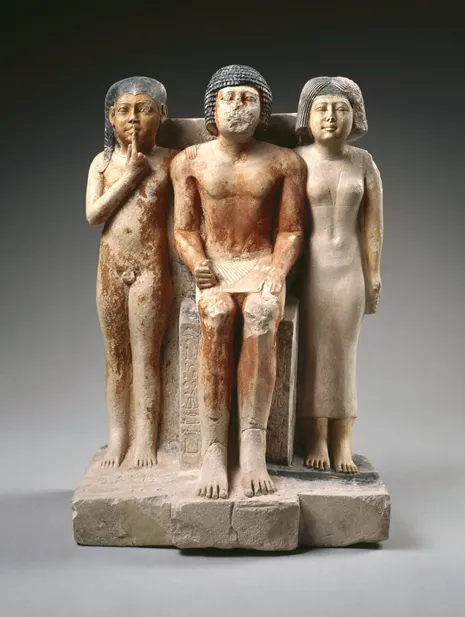
الشتاء ٢٠٢٥، القاهرةمقرر قصير
أصوات مقموعة
تفاصيل المقرر
- الدورة
- الشتاء ٢٠٢٥، القاهرة
- المدة
- ٨ جلسات
- طريقة الحضور
- حضوري
- لغة التدريس
- الإنجليزية
مشاركة
ناقشه مع الذكاء الاصطناعي
- اختر مساعد الذكاء الاصطناعي الذي تفضّله.
- ستُفتح علامة تبويب جديدة، وستجد النص التوجيهي جاهزًا للاستخدام.
- اضغط على إرسال لتبدأ استكشاف الصفحة من خلال الحوار، على طريقة سيلاس.
“History is at the very heart of knowledge and experience and at the very heart of history are the common people who must be heard.” – Antonio Gramsci “Let us now move to consider the margins (one can just as well say the silent, silenced center) …” - Gayatri Spivak
عن المقرر
Course Overview:
Step into a world of history that’s often overshadowed but never silenced. Oppressed or Voices from Below course dives into the lives, struggles, and resistances of those left out of the dominant narratives: the subaltern. This course is your gateway to understanding how marginalized groups across time have shaped societies from the peripheries.
From the colonial peasant in India to everyday Egyptians under Mohamed Ali Pacha rule, we’ll explore stories that bring history to life from the ground up. Through interactive debates, engaging role-play, and hands-on source analysis, you'll uncover the ways subalterns have carved out their own spaces, subtly resisted oppression, and preserved their identities.
Whether you're passionate about social justice, history, or simply curious to know "what's been left unsaid," this course challenges you to rethink the past—and who gets to tell it.
Join us: to rediscover history through a new lens and see how hidden voices the power has to transform how we understand the world today.
By the end of this course, students can expect:
1. Understanding of Subaltern Theory
Students will gain a foundational understanding of subaltern studies, including key theorists like Gramsci, Spivak, and the Subaltern Studies Collective.
2. Critical Analysis of Historical Narratives
Students will develop skills in “reading against the grain” to critically examine traditional historical narratives and uncover marginalized perspectives.
3. Application of Methodologies
Students will become familiar with subaltern methodologies such as oral history, ethnography, and archival reinterpretation, learning to apply these methods to analyze marginalized voices.
4. Exploration of Case Studies
Through case studies, students will examine how subaltern perspectives are reflected in historical and cultural contexts, including examples from Egyptian and postcolonial histories.
5. Engagement with Popular Culture
Students will explore how subaltern voices shape popular culture, gaining insight into how marginalized groups use cultural expression to resist and reshape dominant narratives.
These outcomes encourage a comprehensive and nuanced approach to subaltern studies, equipping students with both theoretical knowledge and practical analysis skills.
مَن يقدّم المقرر
Wafaa ElSaid is A passionate political researcher, culture editor, film critic, and creative writer, Wafaa has built a dynamic career bridging arts and academia. With a BA in political science and public administration from Cairo University's Faculty of Economics and Political Sciences and an MA in politics from the same institution, Wafaa is currently pursuing a second MA in Middle East Studies at the American University in Cairo. Known for thought-provoking insights into philosophy, cinema, and political theory, Wafaa also shares cultural commentary through a YouTube podcast, Al-Rhizome. Their work uniquely merges intellectual rigor with creative storytelling, making complex ideas accessible and compelling for diverse audiences.
من زميل التدريس My teaching approach: A discussion-based learning
In this course, I will prioritize discussion-based learning to foster an environment where students actively engage with the material and each other’s perspectives. Each session will begin with a brief introduction to key concepts, followed by open discussions, critical debates, and group activities designed to encourage diverse interpretations and responses to readings and case studies. By guiding conversations rather than lecturing, I aim to create a collaborative learning space where students analyze and challenge each other’s views, deepen their understanding, and develop critical thinking skills. This interactive approach is especially suited for subaltern studies, as it emphasizes uncovering marginalized voices and understanding complex perspectives through dialogue and collective exploration.
مسار المقرر
جلسات بلا تاريخ
Topics: Origins of Subaltern Studies, Antonio Gramsci’s concept of “subaltern,” and the Subaltern Studies Group.
Assignment: 1- Read selected excerpts from Selected Subaltern Studies by Ranajit Guha. 2- Read excerpts from Prison Notebooks by Antonio Gramsci
- Ranajit Guha, Selected Subaltern StudiesAssignment; selected excerpts
- Antonio Gramsci, Prison NotebooksAssignment; excerpts
في الجلسة
- نشاطOverview lecture
- نقاشClass discussion on initial impressions. Introduce students to the course’s goals and key questions.
Topics: Concepts of hegemony, cultural dominance, and marginalization; Gramsci’s cultural hegemony in depth.
Assignment: 1- Read Gayatri Spivak’s Can the Subaltern Speak?
- Gayatri Spivak, Can the Subaltern Speak?Assignment
في الجلسة
- نقاشSmall-group discussions on examples of cultural hegemony today, followed by a class debate on how power structures maintain dominance.
Topics: Exploring Spivak’s arguments about voice, representation, and the challenges of capturing subaltern perspectives.
Assignment: Reflection paper on the ethics of representing subaltern voices.
في الجلسة
- نقاشDebate game based on Spivak’s question; students argue for or against the idea that subaltern voices can be heard authentically.
Topics: Oral history, ethnography, and “reading against the grain” in historical sources.
Assignment: Research a primary source (e.g., a historical document, song, or folk tale) related to a marginalized group.
في الجلسة
- تمرينSource analysis workshop where students examine historical documents and identify gaps or missing voices.
Topics: Subtle and symbolic resistance.
Assignment: Read and present to the class a case study on everyday resistance, such as peasant revolts or colonial satire.
- James C. Scott, “weapons of the weak”Excerpts
في الجلسة
- تمرينSimulation game where students brainstorm subtle acts of resistance; follow up with a discussion on the power of “hidden transcripts.”
Topics: Examination of subaltern responses to British colonial rule in Egypt, particularly from the perspectives of peasants, workers, and women. Key events include the 1919 Revolution and the influence of grassroots resistance in the independence movement.
Assignment: Write a short reflection or comparison between subaltern responses in Egypt and another colonized society studied in the course and present to the class.
- Excerpts from All Pacha’s men by Khaled FahmyReading
- Excerpts from Ordinary Egyptians: Creating the Modern Nation through Popular Culture by Ziad FahmyReading
- Strikes, Riots and Laughter: Al-Himamiyya Village’s Experience of Egypt’s 1919 Peasant Insurrection by Alia MossallamReading. The flow's link for this section is recorded here; check it against the source (see notes).
في الجلسة
- تمرينPrimary Source Analysis: Students examine sources like Egyptian nationalist songs, folk poetry, and oral histories documenting the experiences of everyday Egyptians under colonial rule.
- تمرينRole-Playing Simulation: Students role-play different subaltern groups (e.g., urban workers, rural peasants) reacting to British policies like land confiscations, forced labor, or conscription during World War I.
- نقاشDebrief: Group discussion on the role of subaltern resistance in shaping Egyptian national identity and how subaltern perspectives differ from elite-driven nationalist narratives.
Topics: Expanding subaltern studies beyond South Asia; subalternity in the Middle East, Africa, and Latin America.
Assignment: Research and prepare a brief on one region outside of South Asia with a focus on subaltern voices.
في الجلسة
- عرض تقديميStory Mapping project where students present on subaltern experiences from different regions; place these stories on a shared map and discuss patterns.
Topics: Review of subaltern studies’ impact on historiography, including its critiques and evolution.
Final Assignment: Write a reflection or essay on how subaltern studies has changed their understanding of history, using specific course examples.
في الجلسة
- عرض تقديميGallery Walk where students showcase the stories, sources, and subaltern histories they’ve researched; conclude with a reflection on how the course has shifted their perspectives on history.
اشترك في نشرة سيلاس
المقررات الجديدة والدعوات المفتوحة ومقالات سيلاس، في بريدك.



١٨ أكتوبر ٢٠٢٦
Join CILAS's Spring semester of 2026
- Spring 2026, Cairo