الشتاء ٢٠٢١، القاهرةمقرر قصير
On Time and Temporality
تفاصيل المقرر
- الدورة
- الشتاء ٢٠٢١، القاهرة
- يبدأ
- الثلاثاء، ٢٩ ديسمبر
- المواعيد
- الثلاثاء، ١٧:٠٠–١٩:٠٠
- المدة
- ١٠ أسابيع
- طريقة الحضور
- عبر الإنترنت
- لغة التدريس
- الإنجليزية
مشاركة
ناقشه مع الذكاء الاصطناعي
- اختر مساعد الذكاء الاصطناعي الذي تفضّله.
- ستُفتح علامة تبويب جديدة، وستجد النص التوجيهي جاهزًا للاستخدام.
- اضغط على إرسال لتبدأ استكشاف الصفحة من خلال الحوار، على طريقة سيلاس.
عن المقرر
The global pandemic has occasioned an impulse to think how we experience time as well as the acute structural violence deployed by the state and the capital. If to “change the world” is first of all to “change time” (Giorgio Agamben), this seminar invites participants to investigate the notion of time, the temporality and how to articulate the past, the present and the future. This seminar provides a critique of a spatialized, measurable, quantifiable, homogeneous, empty, and teleological time embedded in capitalist modernity and an investigation into its purest expression in the specular and complementary temporalities of industrial wage labor, of financial speculation and of bourgeois historicism. It attempts to conjugate the critical temporal with the corporeal, the sensibilities of being stuck, the indebted men and the precarious life. In so doing, it explores other imaginaries of time, the possible and the potential.
مَن يقدّم المقرر
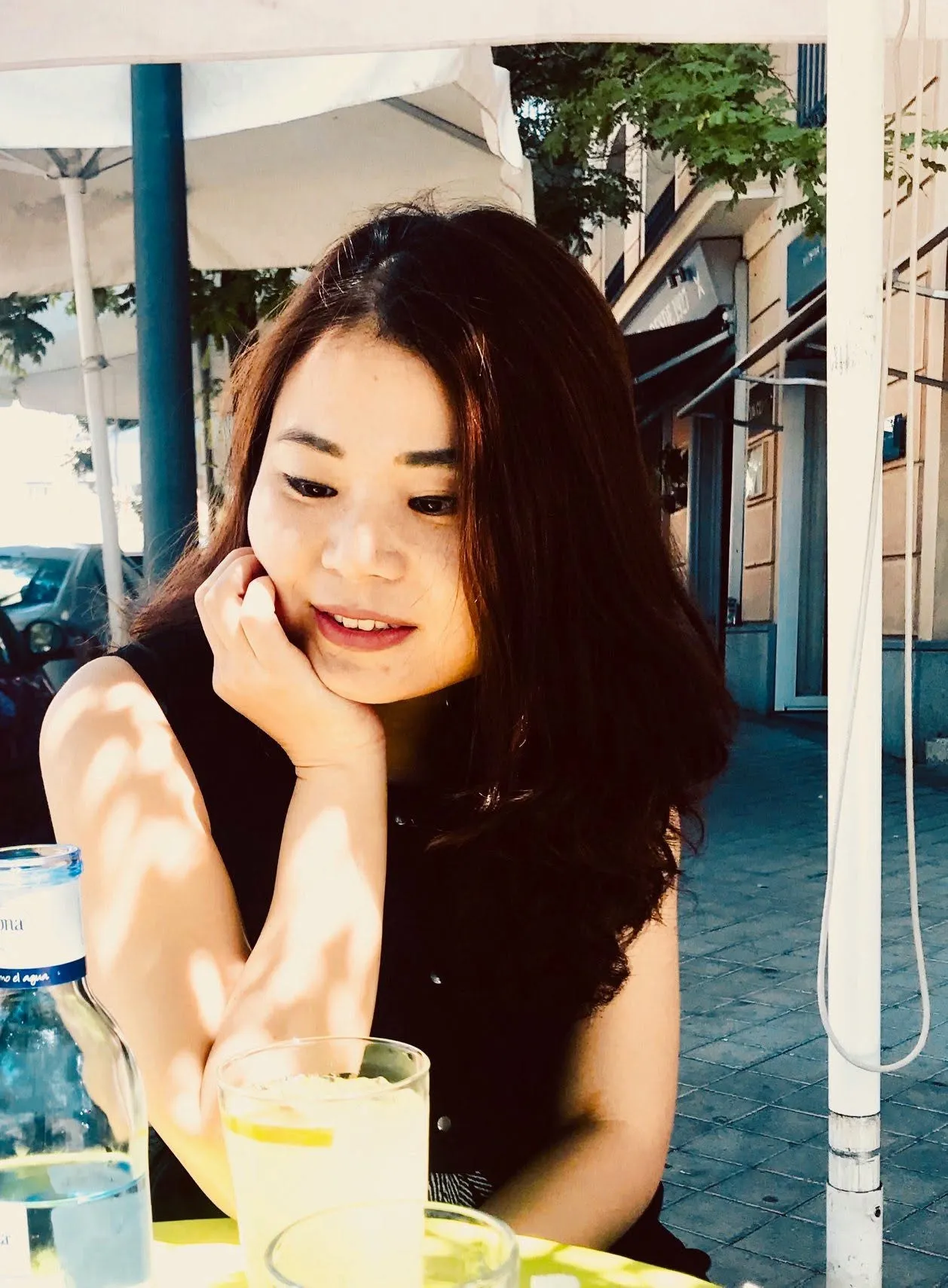
Shan Yang is a Post-MA Fellow for the 2019-2020 academic year at HUSSLab after obtaining an MA at the American University in Cairo. Her MA Comprehensive Examination covered three domains: political economy, time and temporality and the urban. She is currently working on a research project-Being and Living in Spaces of Global Capitalism: Time, Gender and Lifeworlds of Rural Migrant Laborers. She obtained her Bachelor's degree (2012) and first MA (2015) at Fudan University in Shanghai.
من زميل التدريس Requirements
1. Class attendance 2. Read readings assigned each week
مسار المقرر
ديسمبر ٢٠٢٠
Time is invention or it is nothing at all. - Bergson
- Bergson, Henri. 2005. Creative Evolution. Random House, Inc.
يناير ٢٠٢١
- Casarino, C. (2003). Time matters: Marx, Negri, Agamben, and the corporeal. Strategies, 16 (2), 185-206
- Grosz, E. (2005). Bergson, Deleuze and the becoming of unbecoming. parallax, 11(2), 4-13.
- LeGoff, Jacques. (1980). “Merchants’ Time and Church Time in the Middle Ages” and Labor Time in the Crisis of the Fourteenth Century” In Time, Work and Culture in the Middle Ages. Chicago: University of Chicago Press
- Smith, Mark. (1997) Mastered by the Clock. Time, Slavery and Freedom in the American South. Chapel Hill: University of North Carolina Press. Chaps 1-4.
- Marx, Karl. “1993. The Working Day” in Capital Vol. 1. pp. 340-416
- Harvey, D. (1999). Time—Space Compression and the Postmodern. Modernity: After Modernity, 4, 98-118
- Johnston, R. and A. Glasmeier. 2007. “Neo-Liberalism, Democracy and the State: Temporal and Spatial Constraints to Globalisation.” Space and Polity 11 (1), pp. 1-33.
فبراير ٢٠٢١
- Auyero, J. (2012). Patients of the state: The politics of waiting in Argentina. Duke University Press.
- Abourahme, N. (2011). “Spatial collisions and discordant temporalities: Everyday life between camp and checkpoint.” International Journal of Urban and Regional Research, 35(2), 453-6
- Brun, C. (2015). “Active waiting and changing hopes: toward a time perspective on protracted displacement.” Social Analysis, Volume 59, Issue 1, Spring
- Harms, E. (2013). “Eviction time in the new Saigon: Temporalities of displacement in the rubble of development.” Cultural Anthropology, Vol. 28, Issue 2, pp. 344–368.
- Berlant, Lauren. (2011). Cruel Optimism. Durham: Duke University Press.
- Han, C. (2012). Life in debt. Times of care and violence in Neoliberal Chile University of California Press.
مارس ٢٠٢١
- Abourahme, N. (2014). Ruinous city, ruinous time: Future suspended and the science fiction of the present. City, 18(4-5), 577-582
- Roy, A. (2020) “The Pandemic is a Portal” in Azadi, pp. 235-247.
اشترك في نشرة سيلاس
المقررات الجديدة والدعوات المفتوحة ومقالات سيلاس، في بريدك.



١٨ أكتوبر ٢٠٢٦
Join CILAS's Spring semester of 2026
- Spring 2026, Cairo